

Fenugreek Benefits: 7 Science-Backed Health Benefits of Methi Seeds
⚡ Quick Summary
Most Indian kitchens have a small container of methi seeds tucked somewhere in the masala shelf. We use them in dal, add them to paratha dough, or soak them overnight when a family elder insists it will "fix everything." And while that claim sounds like typical Indian household wisdom, the science behind fenugreek is surprisingly solid.
Over the past two decades, researchers have taken a closer look at this bitter little seed — and what they found explains why it has survived centuries of use in Ayurveda. Fenugreek contains a rare combination of compounds that work on blood sugar, hormones, cholesterol, and inflammation simultaneously. For anyone dealing with PCOS, prediabetes, metabolic syndrome, or weight gain that won't budge, that combination is worth understanding properly.
This article explains the seven most clinically supported benefits of fenugreek, how much to take for each, and the practical ways to incorporate it into your daily Indian diet.
What is Fenugreek (Methi) and Why is it So Effective?
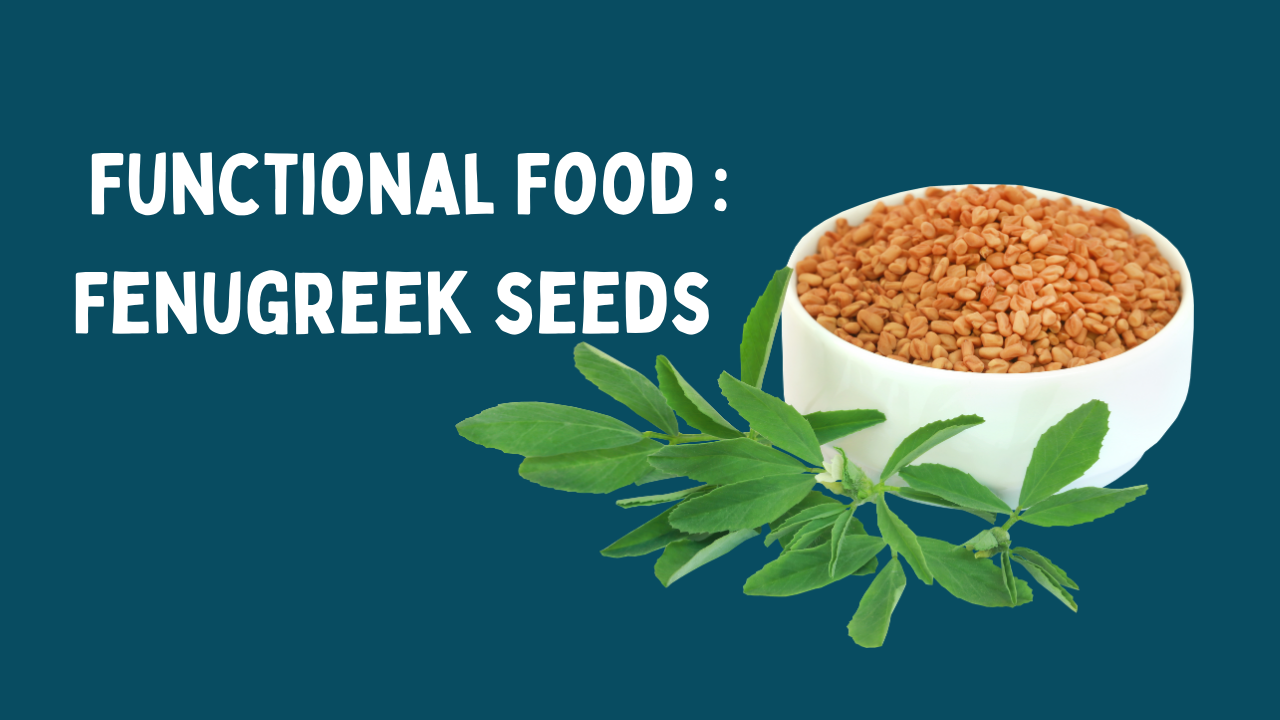
Fenugreek seeds — known as methi in Hindi — are small golden-brown seeds native to the Mediterranean region but now deeply embedded in Indian cooking and medicine. They add a slightly bitter, maple-like flavour to dishes, but their real value lies in their nutritional and chemical profile.

Fenugreek seeds contain a unique combination of compounds that work on blood sugar, hormones, and inflammation simultaneously
Nutritional Profile (per 100g)
| Nutrient | Amount | Why it matters |
|---|---|---|
| Protein | 23g | Hormone production, muscle repair |
| Dietary Fibre | 25g | Cholesterol control, digestive health |
| Iron | 33.5mg (187% DV) | Critical for women, especially with heavy periods |
| Magnesium | 191mg (48% DV) | Insulin sensitivity, sleep, muscle function |
| Manganese | 1.2mg (60% DV) | Bone health, antioxidant enzyme activity |
The key bioactive compounds
Beyond basic nutrition, fenugreek contains compounds you won't find in most foods. Galactomannan is a soluble fibre that forms a thick gel in your gut and slows sugar absorption. Hydroxyisoleucine is a rare amino acid that directly stimulates insulin release from the pancreas. Diosgenin is a plant steroid that helps balance oestrogen and progesterone. Trigonelline is an alkaloid with neuroprotective properties. These compounds do not work in isolation — they work together, which is why fenugreek often outperforms single-compound supplements in clinical settings.
7 Science-Backed Benefits of Fenugreek Seeds
Blood Sugar Control and Diabetes Management
India has one of the highest diabetes burdens in the world — over 90 million adults are living with the condition according to the 2024 IDF Diabetes Atlas, making India the second largest diabetes population globally. Another estimated 136 million are in the prediabetes zone. If you fall into either group, or simply want to prevent it, fenugreek is one of the best-studied natural interventions available.
The galactomannan fibre in fenugreek forms a thick gel in your digestive system. This gel slows down how quickly sugar moves from your food into your bloodstream, preventing the sharp spikes that damage blood vessels over time. At the same time, hydroxyisoleucine — that rare amino acid unique to fenugreek — signals the pancreas to produce more insulin. And fenugreek compounds activate AMPK, the body's master metabolic switch, which improves how your cells respond to the insulin that's already there.
The result is a three-way effect: slower sugar absorption, better insulin production, and improved insulin signalling. For someone with insulin resistance, that combination addresses the problem from multiple angles simultaneously.
This works best for type 2 diabetes, prediabetes (HbA1c 5.7–6.4%), insulin resistance, and post-meal blood sugar spikes.
PCOS Symptoms and Hormone Balance
Studies suggest 1 in 5 young Indian women has PCOS — polycystic ovary syndrome — making it one of the most common hormonal conditions in the country. A 2024 nationwide study published in JAMA Network Open found a prevalence of 19.6% using Rotterdam criteria. Yet it remains widely misunderstood and poorly managed. Many women spend years on oral contraceptives that suppress symptoms without addressing the root cause.
PCOS is primarily driven by insulin resistance and hormonal imbalance. When insulin doesn't work properly, the ovaries produce excess androgens (male hormones like testosterone), which disrupts ovulation, causes irregular periods, leads to acne, and drives the characteristic weight gain around the abdomen. Fenugreek addresses both problems.
By improving insulin sensitivity, fenugreek reduces the hormonal chaos that insulin resistance creates. The diosgenin compound acts as a phytoestrogen — a plant-based hormone that helps balance oestrogen and progesterone. Trigonelline modulates androgen production. And fenugreek's anti-inflammatory compounds reduce the chronic low-grade inflammation that sustains PCOS.
Clinical studies have shown meaningful improvements in menstrual regularity, testosterone reduction of 15–20%, improvements in acne and skin texture, and better ovulation rates. These are not overnight results — expect 3–6 months of consistent use for significant hormonal changes.
Appetite Control and Metabolic Weight Support
Most weight management advice ignores the role of hunger. People are told to eat less, but nobody addresses why eating less feels so difficult. Fenugreek's fibre may help with this specific problem — not through stimulants or mood changes, but through simple gut mechanics.
When galactomannan fibre reaches your stomach, it absorbs water and expands. Some small studies suggest this creates a feeling of fullness that can reduce how much you eat at the next meal. The viscous gel it forms also slows gastric emptying, which may help prevent the blood sugar crashes that trigger sudden hunger and cravings.
It is important to be honest about what the evidence actually shows here. Multiple large meta-analyses — including one pooling 29 clinical trials — find that fenugreek does not significantly affect body weight or BMI directly. The most meaningful contribution fenugreek makes to weight is indirect: by improving insulin sensitivity, it may help reduce the insulin-driven fat accumulation that drives weight gain in people with metabolic syndrome. If your weight gain is rooted in poor insulin function, addressing that underlying issue is more likely to make a difference than any single supplement.
Cholesterol Reduction and Heart Health
High cholesterol affects 25–30% of Indian adults and is one of the most significant risk factors for heart disease — the leading cause of death in India. Most people with high cholesterol feel completely fine, which is why dietary interventions often get delayed until things become serious.
Fenugreek works on cholesterol through two complementary pathways. The soluble fibre binds to dietary cholesterol in your intestines before it can be absorbed, and the bound cholesterol gets excreted. Simultaneously, saponins in fenugreek inhibit the liver's internal cholesterol production — meaning it reduces cholesterol coming in from food and cholesterol being made by your body.
What makes fenugreek particularly useful is that it also raises HDL (good cholesterol) — meta-analyses show an average increase of approximately 3–6 mg/dL — while simultaneously lowering LDL and triglycerides. Most single dietary interventions only shift cholesterol in one direction. For anyone managing high cholesterol, this makes fenugreek a genuinely useful addition to a heart-healthy diet.
Reducing Inflammation and Chronic Pain
Chronic inflammation is the silent driver behind most modern diseases — type 2 diabetes, heart disease, arthritis, PCOS, and many autoimmune conditions all share an inflammatory component. The problem is that we rarely feel it until it has already caused damage.
Fenugreek contains flavonoids, polyphenols, and alkaloids that neutralise free radicals and directly inhibit inflammatory pathways including COX-2 and NF-κB — the same pathways targeted by anti-inflammatory medications, but without the side effects. It also boosts your body's own antioxidant enzyme activity (superoxide dismutase, catalase, glutathione), providing durable, long-term protection rather than a temporary fix.
This makes fenugreek particularly useful for joint pain and arthritis, menstrual cramps, exercise-induced muscle soreness, and the underlying inflammation that drives PCOS and insulin resistance.
Heart Health and Blood Pressure
Cardiovascular disease is the number one killer in India, and hypertension — a key contributor — now affects 1 in 4 Indian adults. The relationship between blood pressure and diet is well established, and fenugreek has several mechanisms that work in favour of heart health.
Fenugreek increases nitric oxide production in blood vessels. Nitric oxide causes vessel walls to relax and widen — a process called vasodilation — which directly reduces blood pressure. This works on top of fenugreek's cholesterol-lowering effects, which reduce the plaque buildup that makes arteries rigid and narrow over time. Antioxidant compounds in fenugreek also protect heart muscle cells from oxidative damage.
It is important to note that fenugreek is a complementary approach, not a replacement for prescribed medication. Always continue your existing treatment and speak to your doctor before adding fenugreek if you are on antihypertensives.
Menstrual Cramps and PMS Relief
Around 80% of women experience PMS symptoms, and for many, the pain during the first two days of their period is genuinely debilitating. Over-the-counter painkillers work for some, but many women prefer not to rely on them every month.
Fenugreek's anti-spasmodic properties help relax uterine muscles, reducing the intensity of cramps. Its anti-inflammatory compounds reduce prostaglandin activity — prostaglandins are the hormone-like substances that trigger cramping. The hormone-balancing effects of diosgenin and trigonelline also help with the broader PMS picture: mood swings, bloating, breast tenderness, and fatigue.
The key to using fenugreek for PMS is timing — it needs to be started 2–3 days before your period begins, not after cramps have already started. For a complete approach to managing PMS through diet and lifestyle, read our evidence-based PMS management guide →
Why Do You Have These Issues in the First Place?
Fenugreek helps manage symptoms — but your genes determine why blood sugar, PCOS, or weight gain is a problem for you specifically. Find out your metabolic type in 3 minutes.
Take the Free Metabolic Quiz →No signup required · 3-minute quiz · Instant results
How to Use Fenugreek Seeds: Practical Guide
The right method depends on what you are trying to achieve. Here are the four most practical ways to use fenugreek in your daily routine:
The most popular and beginner-friendly method. Soak seeds overnight, drink the water in the morning before eating anything.
- Soak 1 teaspoon (5g) fenugreek seeds in 1 cup water overnight (8–12 hours)
- Strain in the morning and drink the water
- Optional: Add a squeeze of lemon or a small amount of honey
- Wait 30 minutes before breakfast
Ground fenugreek powder is versatile and easy to add to multiple meals throughout the day.
How to make:
- Dry roast seeds on low heat for 2–3 minutes until fragrant
- Cool completely before grinding
- Grind to a fine powder in a dry mixer
- Store in an airtight container — stays fresh for 3 months
How to use: Add ½ tsp to smoothies, mix into yogurt or buttermilk, stir into dal, add to roti/chapati dough, or mix with warm water.
Fenugreek tea is gentler and particularly good after meals for digestion and acid reflux.
- Boil 1 cup water
- Add 1 teaspoon fenugreek seeds
- Simmer on low heat for 3–5 minutes
- Strain and drink warm
- Optional: add ginger, a small cinnamon stick, or a little honey
The simplest approach — just use more methi in the food you are already cooking.
- Methi paratha: Mix fenugreek leaves or a pinch of seeds into whole wheat dough
- Methi dal: Add ½ tsp fenugreek seeds to the tempering (tadka)
- Methi sabzi: Sauté fresh methi leaves with onion, garlic, and spices
- Methi paneer: Cook paneer with fresh or dried kasuri methi leaves
Tips: Soaking seeds before cooking reduces bitterness. Fresh methi leaves are milder than seeds. Roasting seeds briefly also mellows the flavour.
Supplements are the right choice when you need precise dosing for a specific condition, don't enjoy the bitter taste, or travel frequently.
What to look for:
- Label should say "Trigonella foenum-graecum" — that is the botanical name
- Standardised to 50% saponins or 20% hydroxyisoleucine for potency
- Third-party tested (USP, NSF, or similar certification)
- Capsule or tablet form — avoid proprietary blends where fenugreek is listed with 10 other ingredients
Start with natural seeds for the first month to assess how your body responds. If results are insufficient, switch to a quality standardised extract.
Dosage Guide by Health Goal
The right dose varies depending on what you are trying to address. Use this table as a starting reference and adjust based on your tolerance:
| Health Goal | Recommended Dose | Form | Best Timing | When to Expect Results |
|---|---|---|---|---|
| Blood Sugar Control | 500–1000mg twice daily | Extract or 1–2 tsp seeds | Before meals | 2–4 weeks |
| PCOS | 1000mg daily | Extract preferred | Morning | 3–6 months |
| Appetite Support (limited evidence) | 500mg before meals | Extract | 30 min before main meals | Variable — indirect benefit via blood sugar stability |
| Cholesterol | 1–2g powder twice daily | Powder or extract | With breakfast and dinner | 8–12 weeks |
| Inflammation | 500mg twice daily | Extract | Morning and evening | 2–4 weeks |
| Blood Pressure | 1g powder daily | Powder | Split morning and evening | 4–8 weeks |
| Menstrual Cramps | 600mg three times daily | Extract | Start 2–3 days before period | Same cycle |
| General Maintenance | 500mg daily or 1 tsp seeds | Seeds (soaked) | Morning, empty stomach | Ongoing |
Managing blood sugar goes beyond supplementation. Your diet, meal timing, and specific food choices all play a role. Read our practical Indian diet guide for blood sugar management.
Indian Diet Chart for Diabetes: Blood Sugar-Friendly Foods →When to Take Fenugreek: Timing Matters
The same dose taken at different times of day can produce meaningfully different results. Here is the best timing for each goal:
🌅 Morning, empty stomach
Best for blood sugar, weight loss, and metabolism. Maximum absorption, sets metabolic tone for the day. Wait 30 minutes before eating.
⏱ 30 min before meals
Best for appetite control and preventing post-meal blood sugar spikes. Gives fibre time to expand before food arrives.
🍽 With meals
Best for cholesterol control and digestive health. Powder mixed into food or taken alongside meals binds dietary cholesterol during digestion.
🌙 Before bed
Best for acid reflux, digestive discomfort, and overnight blood sugar control. Fenugreek tea works particularly well here.
📅 2–3 days before period
Best for menstrual cramps and PMS. Needs to be in your system before cramping begins — do not wait until pain starts.
Side Effects and Safety Precautions
Fenugreek is generally well-tolerated by most people, but there are a few things to be aware of before you start.
Common side effects (usually mild)
Around 10–15% of users experience some digestive discomfort when they begin — gas, mild bloating, or loose stools, particularly at higher doses. This almost always resolves within 1–2 weeks as the body adjusts. Starting with a lower dose and taking it with food helps significantly.
You may also notice a maple syrup-like odour in your sweat or urine. This is caused by sotolone, a compound in fenugreek, and is completely harmless — though it can be surprising if you are not expecting it. It typically occurs at doses above 1500mg daily.
- Pregnant — fenugreek can stimulate uterine contractions and may trigger premature labour
- Scheduled for surgery in the next two weeks — stop at least 14 days before any operation
- Allergic to legumes (soy, peanuts, chickpeas) — cross-reactivity is possible
- Dealing with hormone-sensitive cancers (breast, uterine, ovarian)
- Have a bleeding disorder
- Diabetes medication: Fenugreek lowers blood sugar significantly. Combining it with metformin, insulin, or other diabetes drugs without medical supervision can cause dangerous hypoglycaemia. Monitor blood sugar closely and work with your doctor to adjust doses.
- Blood thinners (warfarin, aspirin, clopidogrel): Fenugreek may slow blood clotting. Regular monitoring is needed.
- Thyroid medication: Fenugreek may affect absorption. Take at least 4 hours apart.
- If breastfeeding: Generally considered safe and may increase milk production — but check with your paediatrician first.
Wondering why methi works differently for you than for someone else? Your genetic profile determines how your body processes fenugreek's active compounds, responds to insulin, and manages hormones. Understanding your metabolic type changes how you approach these issues.
The Complete Guide to Metabolic Health: Causes, Symptoms & Reversal →Frequently Asked Questions
Fenugreek seeds help lower fasting blood glucose (by approximately 17–20 mg/dL in clinical trials) and reduce HbA1c by around 0.5–0.9 percentage points. They also reduce cholesterol (LDL, total cholesterol, triglycerides) and raise HDL, improve PCOS symptoms including irregular periods and elevated testosterone, support appetite control, reduce inflammation, modestly lower blood pressure, and relieve menstrual cramps. They are particularly effective for managing insulin resistance and metabolic syndrome, where multiple issues are present simultaneously.
The general recommended dose is 500–1000mg of fenugreek extract daily, or 1 teaspoon (5g) of seeds soaked in water overnight. For blood sugar control, 1000mg twice daily is most studied. For PCOS, 1000mg once daily. For weight loss, 500mg three times daily before meals. Always start with a lower dose and increase gradually over 1–2 weeks to assess tolerance.
Yes. Fenugreek improves PCOS symptoms by addressing two of its root causes — insulin resistance and hormonal imbalance. Studies show it can regulate menstrual cycles, reduce testosterone levels by 15–20%, improve insulin sensitivity, and reduce acne. Results typically appear after 3–6 months of consistent daily use. For best results, combine with a PCOS-specific diet and regular exercise.
Common side effects include digestive discomfort (gas, bloating, loose stools at high doses) and a maple syrup-like odour in sweat or urine. More serious precautions: fenugreek should not be used during pregnancy as it can stimulate uterine contractions. It may also interact with diabetes medication and blood thinners — always consult your doctor before use if you are on medication.
For blood sugar control, results typically appear in 2–4 weeks. For PCOS symptoms, expect 3–6 months of consistent use for meaningful hormonal changes. For appetite support, some short-term effect may be noticed within days, though sustained metabolic benefits take longer. For menstrual cramps, results can appear in the same cycle if you start taking it 2–3 days before your period. For cholesterol reduction, 8–12 weeks. Consistency matters more than dose.
You can, but only with close medical supervision. Fenugreek significantly lowers blood sugar on its own, and combining it with metformin, insulin, or other diabetes medication can cause dangerous hypoglycaemia. If you start fenugreek, monitor your blood sugar more frequently and work with your doctor to adjust medication doses as needed. Never change your medication dose on your own.
No, fenugreek is not recommended during pregnancy. It can stimulate uterine contractions and potentially trigger premature labour — its use to induce labour is well documented in traditional medicine. It is generally considered safe during breastfeeding and may actually increase milk production, but always consult your obstetrician before taking any supplement during or after pregnancy.
The most popular method is fenugreek water — soak 1 tsp seeds overnight and drink the water on an empty stomach in the morning. You can also add ground fenugreek powder to dal, roti dough, or buttermilk. Fenugreek tea works well after meals for digestion. Supplements are a practical option when you need precise dosing or are travelling and cannot prepare seeds daily.
Yes. Fenugreek may support testosterone levels, improve libido, and enhance muscle recovery in men, in addition to providing the same metabolic benefits — blood sugar control, cholesterol reduction, and anti-inflammatory effects. A dose of 500–600mg daily is typically recommended. Avoid very high doses as very large amounts may have the opposite hormonal effect.
Both work. Seeds are natural, affordable, and easy to incorporate into everyday Indian cooking — they are gentler on the stomach and good for general daily use. Supplements offer precise dosing and convenience, which suits therapeutic use for specific conditions like PCOS or diabetes management. A practical approach: start with seeds for one month. If results are insufficient or preparation becomes inconvenient, switch to a quality standardised extract.
Related Articles

Nupur Sharma
Nupur Sharma is a Sports Nutritionist. She has a scientific approach towards nutrition. She passionately unfolds latent aspects linking nutritional science and sports performance so that athletes and fitness enthusiasts can achieve their highest potential. She holds a Master’s degree in Sports Nutrition and Bachelor’s degree in Food, Nutrition and Dietetics.