Have you ever noticed how some days you feel motivated, focused, and emotionally steady—while on other days, even simple tasks feel exhausting? This isn’t just about mindset, discipline, or willpower. It’s biology.
One of the most influential chemicals shaping how we feel, think, and act is dopamine. Often referred to as the brain’s “motivation molecule,” dopamine plays a central role in drive, focus, emotional resilience, reward perception, and even our relationship with food.
The way we eat quietly but powerfully affects how dopamine functions. This has led to growing interest in what is often called the dopamine diet—not as a rigid eating plan, but as a nutritional approach that supports the brain’s ability to produce and regulate dopamine naturally.
In this blog, we explore what dopamine really is, how food and metabolism influence dopamine activity, which nutrients support healthy dopamine levels, and why a personalised approach—shaped by lifestyle, blood markers, and even genetics—matters for long-term mental and metabolic well-being.
What Is Dopamine?
Dopamine is both a neurotransmitter and a hormone that acts as a chemical messenger in the brain. It influences multiple aspects of health, including:
- Motivation and goal-directed behaviour
- Focus, learning, and memory
- Mood and emotional regulation
- Movement and coordination
- Reward anticipation and pleasure
- Appetite, cravings, and food-seeking behaviour
While dopamine is often described as the “feel-good” chemical, its primary role is not pleasure itself but motivation and drive—the ability to initiate action, sustain effort, and feel rewarded for progress.
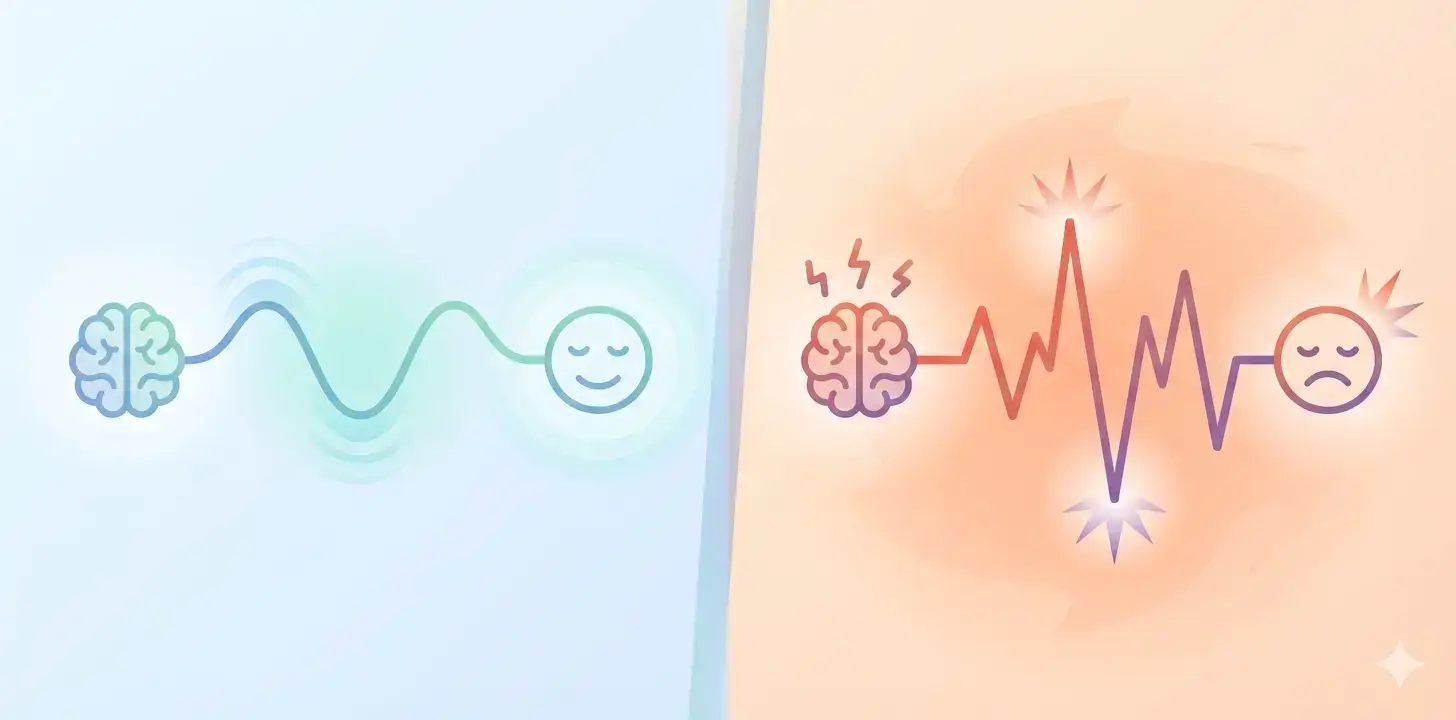
When dopamine signalling is well regulated, people tend to feel energised, purposeful, and mentally clear. When dopamine activity is disrupted, symptoms such as low motivation, fatigue, emotional eating, brain fog, and mood fluctuations can appear. Over time, impaired dopamine signalling has been linked to burnout, depression, ADHD, addiction tendencies, and neurodegenerative conditions such as Parkinson’s disease.
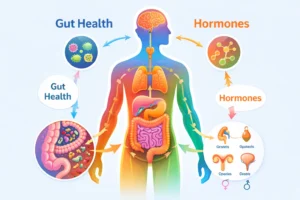
Importantly, dopamine balance is influenced not only by stress and sleep, but also by nutrition, blood sugar stability, inflammation, gut health, and nutrient availability.
What Is the Dopamine Diet?
The dopamine diet is not about forcing dopamine release or chasing constant pleasure. Instead, it focuses on creating the biochemical conditions that allow dopamine to be produced and used efficiently.
Dopamine synthesis and receptor activity depend on:
- Adequate protein intake
- Specific vitamins and minerals
- Stable blood sugar levels
- Healthy fats
- Low levels of chronic inflammation
If any of these are compromised—due to restrictive dieting, chronic stress, insulin resistance, gut dysfunction, or nutrient deficiencies—dopamine function can suffer, even when calorie intake appears sufficient.
Rather than overstimulating the brain with sugar, caffeine, or ultra-processed foods, a dopamine-supportive diet aims to restore balance and resilience.
How Food Influences Dopamine Production
1. Tyrosine: The Building Block of Dopamine
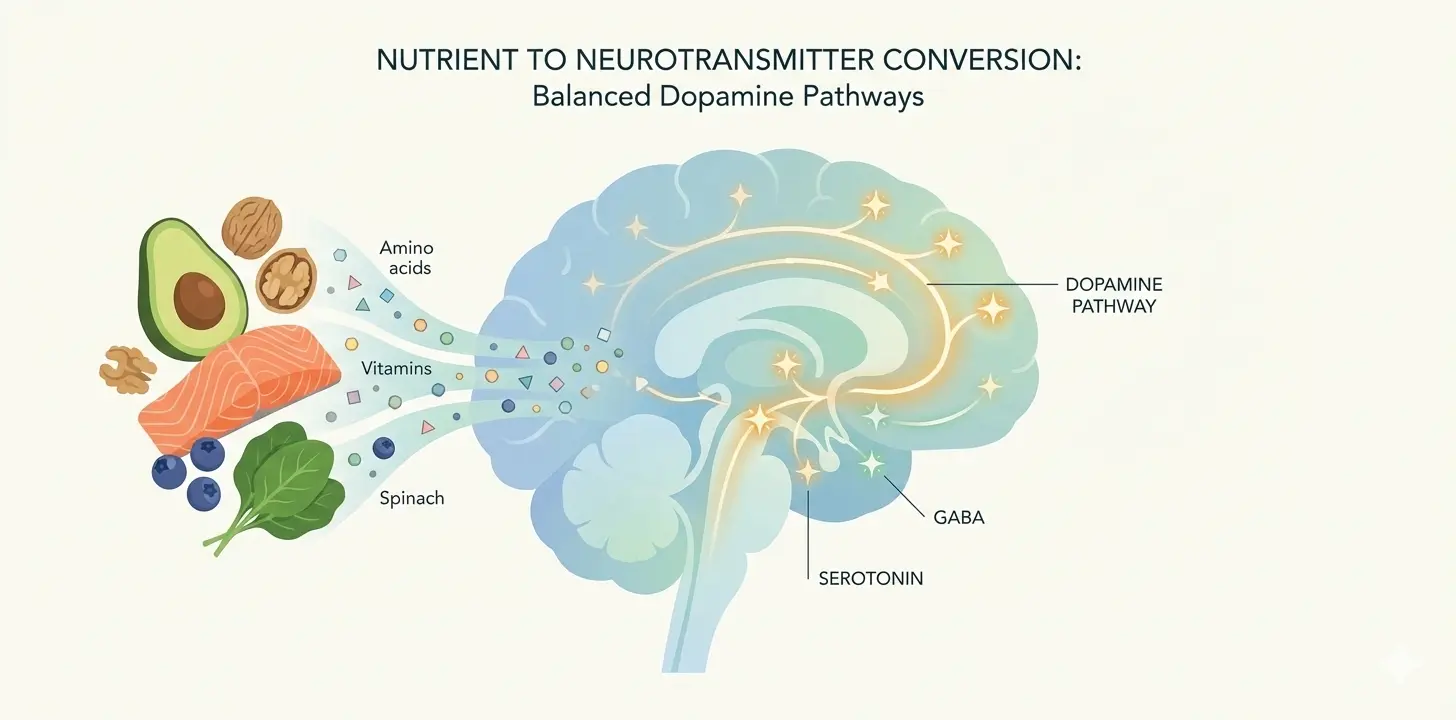
Dopamine is synthesised from the amino acid tyrosine, which comes from dietary protein. Without adequate protein intake, the brain may struggle to produce sufficient dopamine.
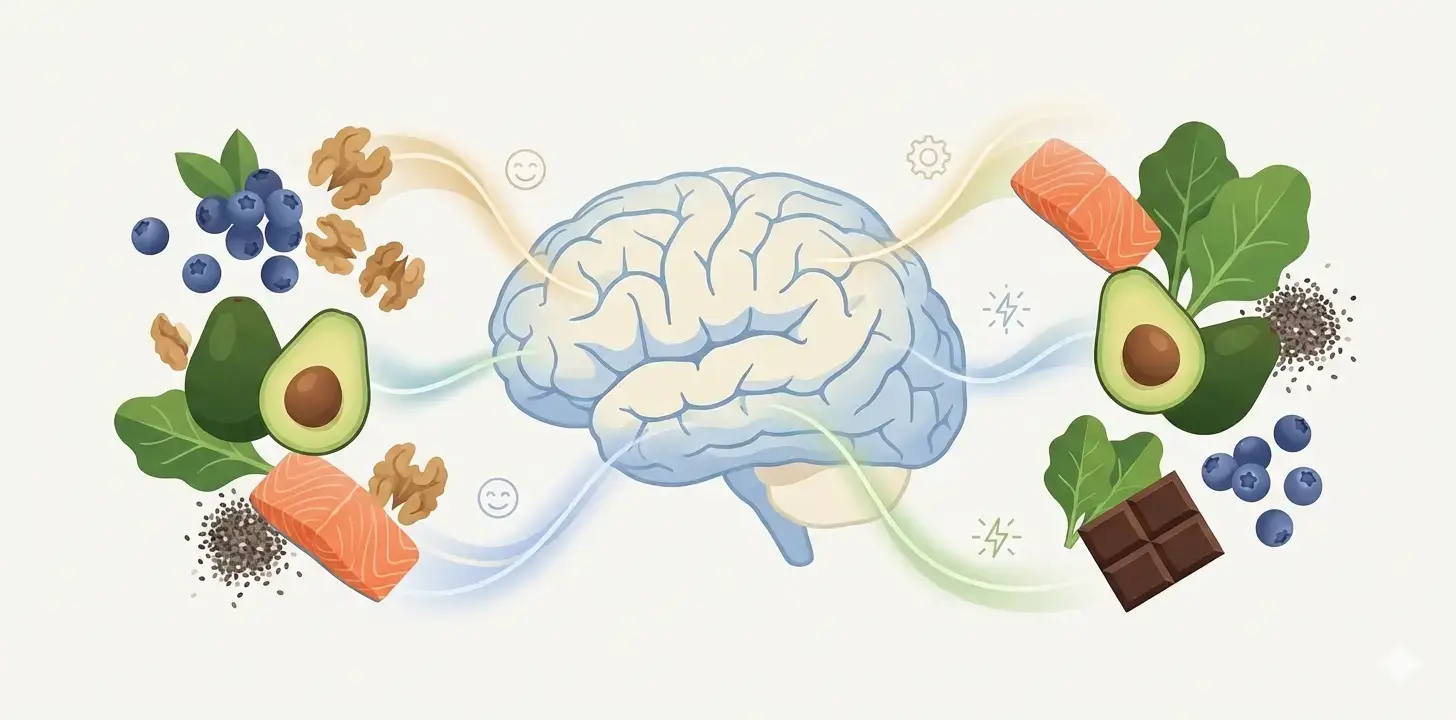
Tyrosine-rich foods include:
- Lean meats and poultry
- Fish and seafood
- Eggs
- Dairy products
- Almonds
- Avocados
- Bananas
- Dark chocolate (90% cocoa or higher, in moderation)
People who skip protein at breakfast, follow very low-protein diets, or rely heavily on refined carbohydrates often experience fatigue, low motivation, and increased cravings—classic signs of impaired dopamine support.
Some individuals also carry genetic variations that influence how efficiently tyrosine is converted into dopamine, making adequate protein intake even more important for mental energy and focus.
2. Vitamins and Minerals That Support Dopamine
Dopamine production requires several micronutrients that act as enzymatic cofactors:
- Vitamin B6: Essential for converting tyrosine into dopamine
- Folate (B9) and Vitamin B12: Support neurotransmitter metabolism and brain energy
- Iron: Required for dopamine synthesis; deficiency is strongly linked to fatigue and low mood
- Magnesium: Supports neurotransmitter balance and stress regulation
- Zinc: Influences dopamine receptor function
Deficiencies in these nutrients are common, and underlying nutrient deficiencies are often missed without proper blood testing.
Genetic differences in nutrient metabolism—such as variations affecting B-vitamin processing—can increase vulnerability to dopamine-related symptoms even when dietary intake appears adequate.
3. Healthy Fats and Dopamine Signalling
Dopamine receptors are embedded in neuronal cell membranes, which rely on healthy fats for optimal structure and signalling.
Key fats that support brain and dopamine health include:
- Omega-3 fatty acids (fatty fish, flaxseeds, chia seeds, walnuts)
- Monounsaturated fats (olive oil, nuts, seeds)
Omega-3s are particularly important because they reduce neuroinflammation and support dopamine receptor sensitivity. Diets extremely low in fat may impair neurotransmitter communication and emotional regulation over time.
4. Antioxidants and Brain Protection
Oxidative stress and chronic inflammation can damage dopamine-producing neurons. Antioxidant-rich foods help protect brain cells and support long-term cognitive health.
Include:
- Berries
- Leafy greens
- Colourful vegetables
- Green tea
- Turmeric
Individuals with higher inflammatory burden—often driven by stress, poor gut health, or metabolic imbalance—may require greater antioxidant support to protect dopamine pathways.
Dopamine, Blood Sugar, and Cravings
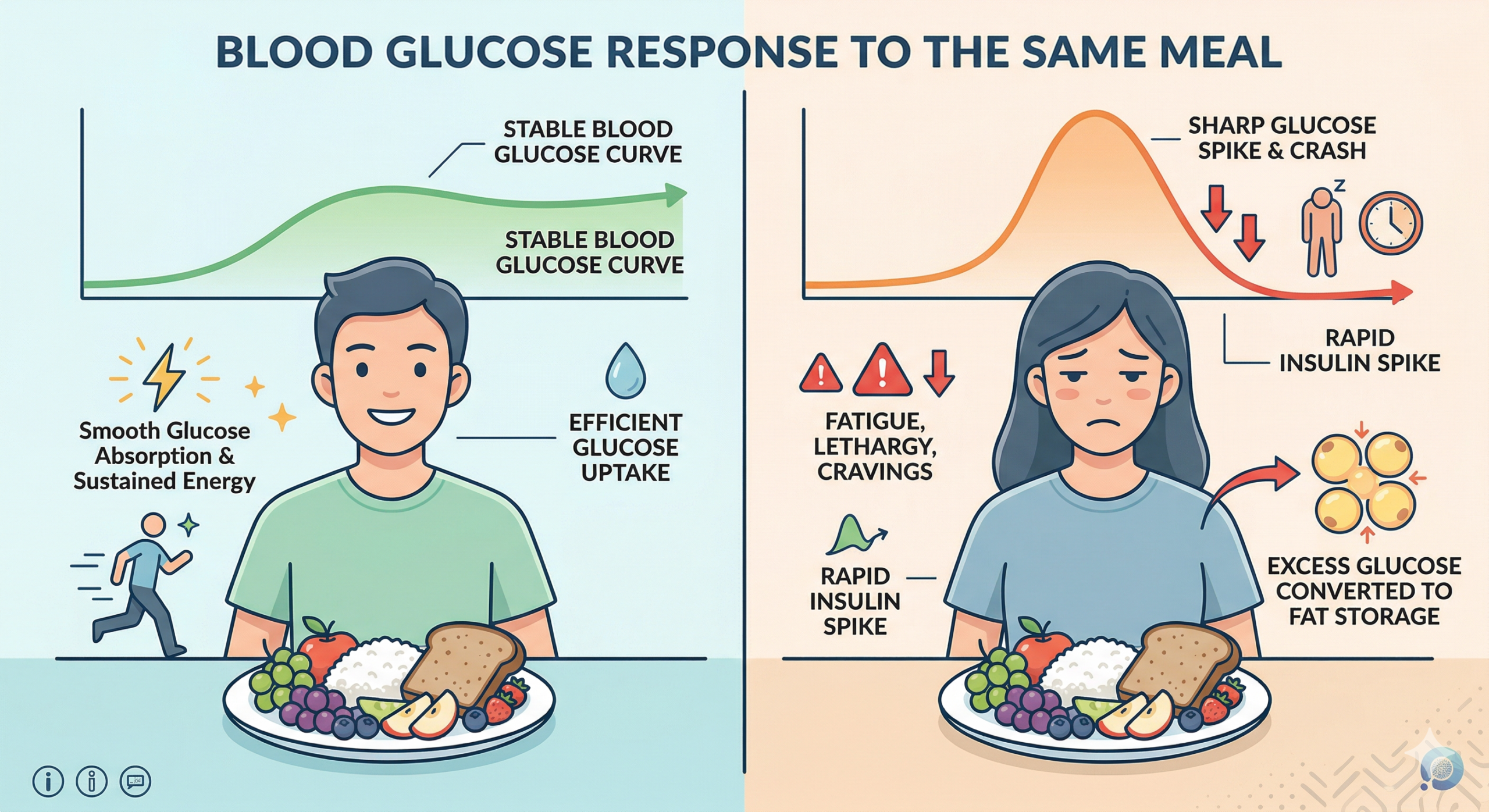
Dopamine plays a key role in how we experience pleasure, motivation, and reward, and food is one of the strongest dopamine triggers. When blood sugar levels fluctuate sharply, especially after consuming refined carbohydrates or sugary foods. The dopamine release becomes irregular. These quick spikes give a short-lived sense of pleasure or comfort but are followed by a rapid drop in blood sugar and dopamine levels. This crash signals the brain to seek another “reward,” leading to intense cravings for sugar, snacks, or highly processed foods. Over time, frequent blood sugar swings, often driven by insulin resistance, can dull dopamine sensitivity and increase cravings over time, meaning the brain requires more stimulation to feel satisfied, reinforcing emotional eating and habitual snacking.
Maintaining stable blood sugar through balanced meals that include protein, fibre, and healthy fats supports steady dopamine activity. This helps reduce cravings, improves mood stability, and enhances satiety, making it easier to make mindful food choices rather than impulsive ones driven by reward-seeking behaviour.
Dopamine, Stress, and Modern Lifestyles
Modern lifestyles constantly stimulate the brain’s dopamine pathways through stress, screens, notifications, caffeine, ultra-processed foods, and the pressure to stay productive. While dopamine is essential for motivation and focus, chronic stress disrupts its balance. Elevated cortisol levels, the body’s primary stress hormone, interfere with dopamine signaling, reducing sensitivity to natural rewards. As a result, everyday activities no longer feel satisfying, and the brain starts seeking quick dopamine hits through scrolling, snacking, binge-watching, or emotional eating. This cycle keeps the nervous system in a heightened state of alert, making it harder to relax, sleep well, or feel mentally fulfilled. Over time, constant dopamine stimulation paired with chronic stress can lead to burnout, low motivation, mood swings, and compulsive behaviours. Supporting dopamine balance through structured routines, adequate sleep, stress management, and nourishing meals helps the brain respond better to natural rewards, restoring emotional regulation and reducing reliance on instant gratification patterns common in modern life.
The Role of Genetics in Dopamine Function
Not everyone responds to the same foods or supplements in the same way. Genetic variations can influence:
- Dopamine synthesis
- Dopamine receptor sensitivity
- Stress response
- Detoxification of neurotransmitters
- Absorption and utilisation of key nutrients
These differences help explain why one person feels energised on a high-protein diet while another feels anxious, or why certain supplements improve focus for some but cause discomfort in others.
Understanding your genetic blueprint helps explain why individuals respond differently to the same foods or supplements. It helps explain how the brain and metabolism are wired to respond to inputs. This insight allows nutrition strategies to be aligned with biology rather than based on trial and error.
Potential Benefits of a Dopamine-Supportive Diet
When dopamine production and signalling are supported through nutrition and lifestyle, individuals may experience:
- Improved mood and emotional stability
- Better focus, motivation, and productivity
- Reduced cravings and emotional eating
- More consistent energy levels
- Greater resilience to stress
- Support for long-term neurological and metabolic health
Is the Dopamine Diet Right for Everyone?
The dopamine diet is not a replacement for mental health treatment, nor is it a one-size-fits-all solution. Dopamine balance is influenced by hormones, gut health, sleep quality, stress load, metabolic health, and genetics.
This is why a personalised approach—informed by symptoms, lifestyle patterns, blood markers, and genetic insights—is often more effective than generic dietary advice.
Final Takeaway: Supporting Dopamine Starts with Understanding Your Biology
The dopamine diet is not about chasing happiness or forcing motivation. It is about supporting the brain’s chemistry through nourishment, balance, and metabolic stability.
If you struggle with low motivation, mood fluctuations, cravings, or mental fatigue despite eating “well,” there may be underlying nutrient, metabolic, or genetic factors influencing dopamine function.
A personalised consultation can help uncover these root causes and guide a nutrition plan that supports not just dopamine, but overall metabolic and mental health. If you would like clarity on how your diet, blood markers, lifestyle, and genetic profile influence your brain chemistry, you can book a free consultation with the Unlock.fit team and take the first step toward sustainable mental and emotional well-being.
Frequently Asked Questions (FAQs)
- What is the dopamine diet?
The dopamine diet focuses on eating foods that support the brain’s natural dopamine production and regulation, emphasising protein, essential nutrients, healthy fats, and blood sugar stability rather than restriction. - Can food really affect dopamine levels?
Yes. Dopamine synthesis depends on amino acids, vitamins, minerals, and metabolic health. Poor nutrition, nutrient deficiencies, and blood sugar instability can impair dopamine function. - Is the dopamine diet good for mental health?
A dopamine-supportive diet may improve motivation, focus, and emotional balance. It works best as part of a holistic approach that includes sleep, stress management, and personalised nutrition. - Why do sugar and junk food increase cravings?
These foods overstimulate dopamine briefly, followed by depletion, leading to cravings and low energy. Balanced meals help stabilise dopamine signalling. - Who benefits most from a dopamine-supportive diet?
People experiencing burnout, emotional eating, chronic fatigue, insulin resistance, or nutrient deficiencies often benefit the most. - Do genetics influence dopamine levels?
Yes. Genetic differences can affect dopamine production, receptor sensitivity, stress response, and nutrient metabolism, which is why personalised approaches are often more effective.
Final Takeaway
Dopamine balance is not about willpower or constant stimulation—it is about supporting the brain through proper nutrition, metabolic stability, and lifestyle alignment. Persistent low motivation, cravings, brain fog, or emotional fatigue are often signs of deeper imbalances related to blood sugar regulation, nutrient status, stress load, gut health, or genetic predisposition.
A personalised nutrition approach helps identify these root causes rather than relying on generic diet advice. By understanding how your body processes nutrients, responds to stress, and regulates neurotransmitters like dopamine, it becomes possible to improve mood, focus, energy levels, and long-term mental well-being in a sustainable way.
If you would like expert guidance on how your diet, blood markers, lifestyle, and genetic profile influence dopamine function and overall metabolic health, you can book a free consultation with the Unlock.fit team. This personalised discussion can help you build a nutrition strategy that works with your biology—not against it.

Nupur Sharma
Nupur Sharma is a Sports Nutritionist. She has a scientific approach towards nutrition. She passionately unfolds latent aspects linking nutritional science and sports performance so that athletes and fitness enthusiasts can achieve their highest potential. She holds a Master’s degree in Sports Nutrition and Bachelor’s degree in Food, Nutrition and Dietetics.