


Diet Chart for High Cholesterol (Indian Foods)
High Cholesterol: Why Diet Matters More Than You Think
Being from the field of nutrition, I see so many people worried about their blood reports, confused about food, and scared after hearing the words “your cholesterol is high.” Many of them feel perfectly fine physically, which makes it even harder to believe that something serious could be going on inside their body.
High cholesterol often doesn’t show symptoms early on. No pain, no discomfort, just numbers on a report. And that’s exactly why it’s dangerous. Over the years, I’ve seen patients who ignored these numbers thinking “I’ll manage it later”, only to face serious complications later in life.
Behind the scenes, poor food choices, long sitting hours, stress, lack of sleep, and excess refined carbs slowly start affecting the blood vessels. Over time, cholesterol begins to deposit along the artery walls, narrowing them. Often, the first sign people notice is not a mild warning but something serious like chest discomfort, sudden dizziness, or even fainting due to a cardiac event.
The good news is that dietary changes can significantly improve cholesterol levels, especially when addressed early. And no, you don’t need to give up Indian food. In fact, when chosen wisely, Indian meals can be extremely heart-friendly.
This blog will walk you through a practical Indian diet chart for high cholesterol, foods to eat and avoid, blood test markers to monitor, and lifestyle tips that actually work.
Understanding Cholesterol: LDL vs HDL Explained
Cholesterol itself is not the villain. It is a fat-like substance that cannot travel freely in the blood, so it needs carriers called lipoproteins. You can think of these lipoproteins as vehicles that transport fat and cholesterol through the bloodstream.
The two main cholesterol-carrying vehicles are:
LDL (Low-Density Lipoprotein)
LDL carries cholesterol from the liver to different parts of the body. When present in excess, LDL tends to deposit cholesterol along the artery walls, leading to plaque formation, narrowing of blood vessels, and increased risk of heart disease. This is why LDL is commonly referred to as bad cholesterol.
HDL (High-Density Lipoprotein)
HDL works in the opposite direction. It collects excess cholesterol from the arteries and tissues and transports it back to the liver, where it can be broken down and eliminated. This protective role earns HDL the name good cholesterol.
A heart-healthy diet and lifestyle aim to reduce excess LDL and triglycerides while supporting healthy HDL levels, ensuring smoother fat metabolism and better cardiovascular health.
Blood Tests to check when Cholesterol is high
When cholesterol levels come high, it is important to review the complete lipid profile, not just total cholesterol.
Total Cholesterol:
Desirable level is below 200 mg/dL. This gives an overall picture but should not be interpreted alone.
LDL Cholesterol (Bad Cholesterol):
Ideally below 100 mg/dL. High LDL increases plaque formation in arteries and raises heart disease risk.
HDL Cholesterol (Good Cholesterol):
Protective cholesterol that helps clear excess fat from blood vessels.
Ideal levels: above 40 mg/dL in men and 50 mg/dL in women.Triglycerides:
Normal levels are below 150 mg/dL. Elevated values are commonly linked to excess sugar intake, fatty liver, and sedentary lifestyle.
Health Risks and Complications of High Cholesterol
High cholesterol is not just a “numbers problem” on a lab report. If left unmanaged, it can lead to serious health complications.
1. Heart Attack (Myocardial Infarction)
Excess LDL cholesterol forms plaque inside arteries. When these plaques rupture, they can block blood flow to the heart, leading to a sudden heart attack. This is why we often hear about people collapsing or fainting suddenly without prior warning.
2. Stroke
Blocked or narrowed arteries supplying blood to the brain can result in a stroke, affecting speech, movement, memory, or vision.
3. Atherosclerosis (Hardening of Arteries)
Cholesterol buildup makes arteries stiff and narrow, forcing the heart to work harder. Over time, this increases blood pressure and cardiac strain.
4. Poor Circulation
Reduced blood flow can cause:
- Leg pain while walking
- Cold hands and feet
- Fatigue and breathlessness
5. Metabolic Complications
High cholesterol often travels with:
- Fatty liver
- Insulin resistance
- Type 2 diabetes
- Obesity
Diet Principles to Reduce High Cholesterol Naturally
Before jumping into a meal plan, it’s important to understand a few key principles:
- Increase soluble fiber (binds cholesterol and removes it from the body)
- Choose healthy fats instead of saturated and trans fats
- Limit refined sugars and processed foods
- Prefer whole, minimally processed Indian foods
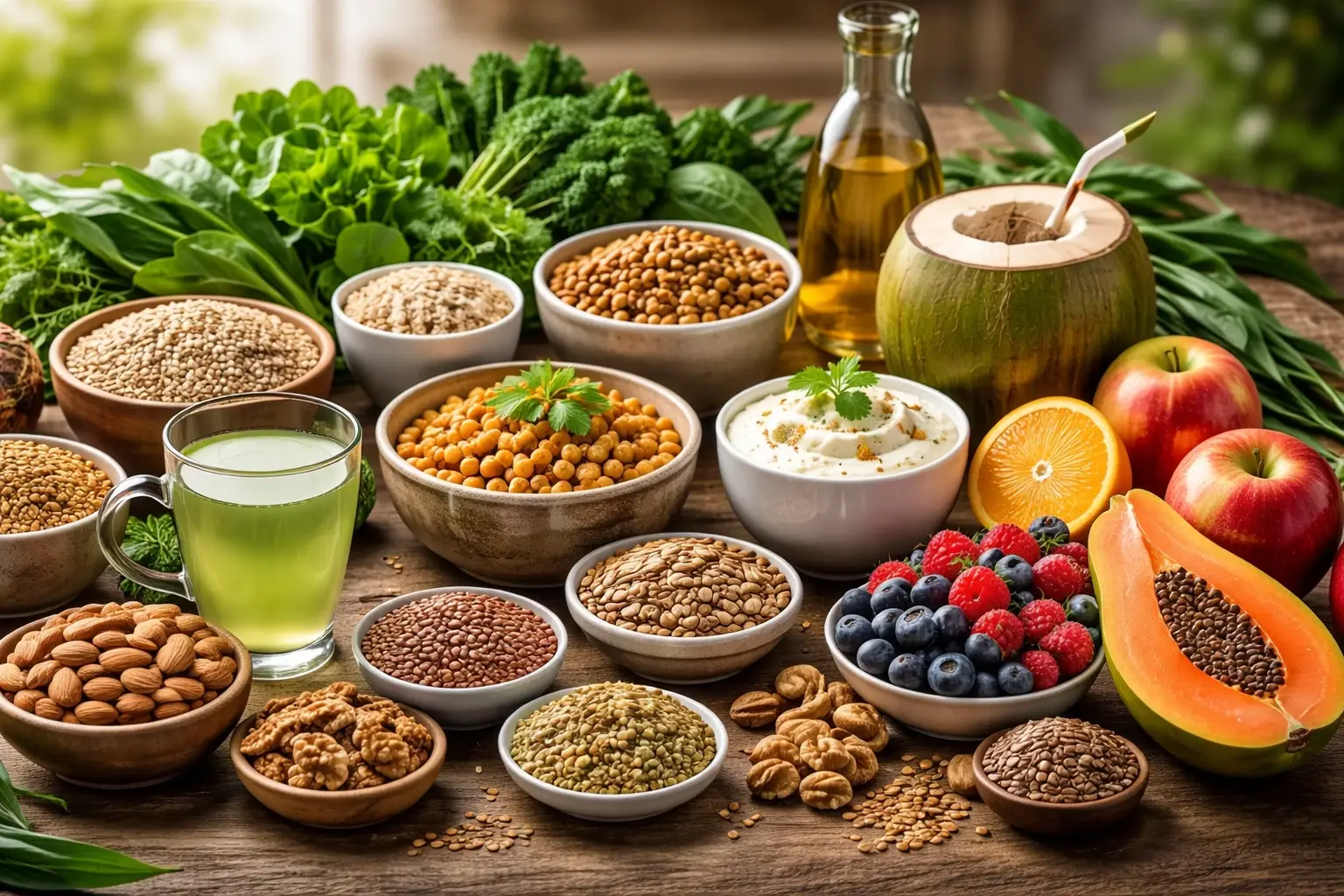
Indian Diet Plan for High Cholesterol
Early Morning
Healthy options:
- Warm water with soaked methi seeds (fenugreek)
- 5–6 soaked almonds or walnuts
Breakfast
Healthy Indian breakfast choices:
- Vegetable oats upma
- Moong dal chilla with mint chutney
- Ragi Idli with sambar (less coconut, more vegetables)
- Namkeen dalia
Mid-Morning Snack
Best options:
- One fruit (papaya, orange, apple, berries)
- Coconut water
- Sprouts chaat (steamed, not fried)
- Buttermilk
Lunch
Meal structure :
- 1–2 multigrain rotis OR small portion of brown rice
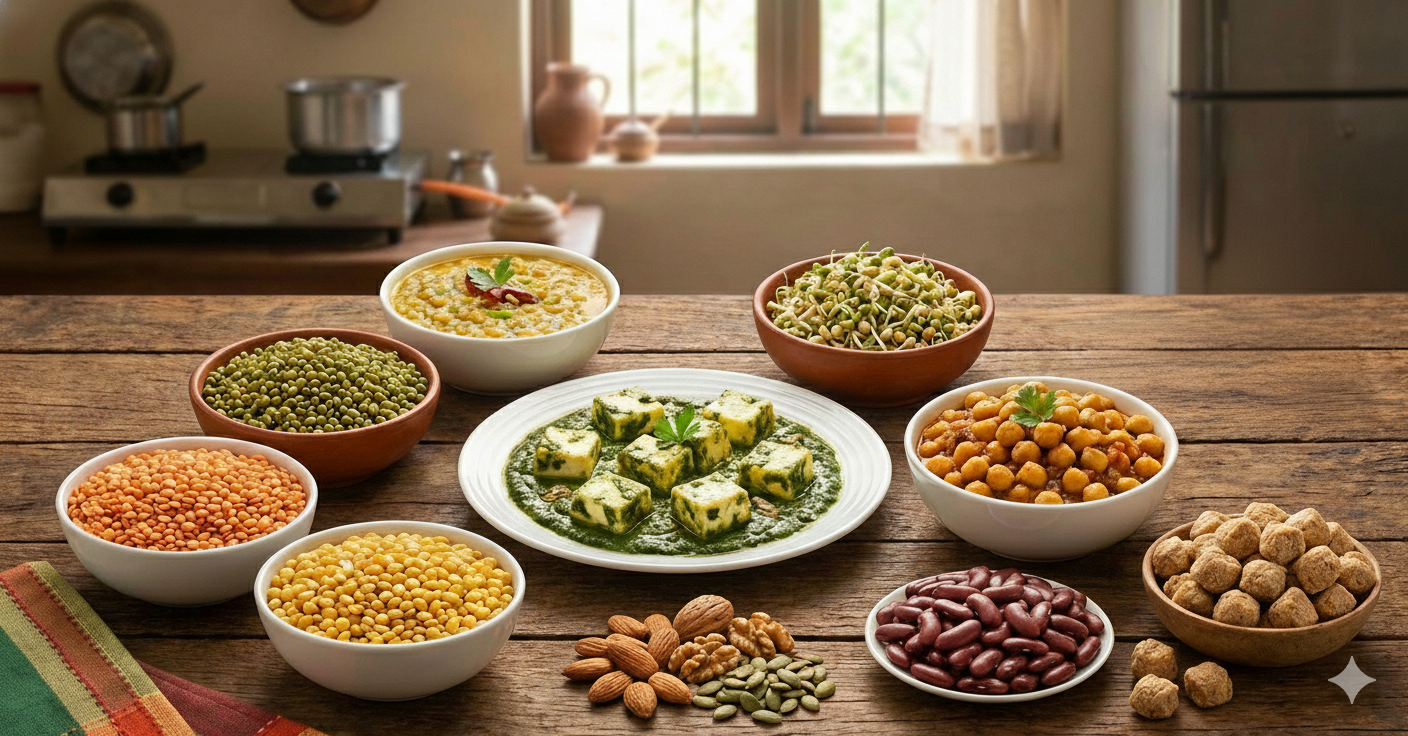
- One bowl of dal, rajma, chole, or curd
- One vegetable sabzi (preferably steamed or sautéed lightly)
- Raw salad (cucumber, carrot, beetroot)
Afternoon Snack
Healthy snack ideas:
- Roasted makhana
- Roasted chana
- Green tea or herbal tea
- Handful of nuts and seeds (flaxseed, sunflower seeds)
Dinner
Dinner options:
- Vegetable dal with one multigrain roti
- tofu or paneer (low-fat) sabji with multigrain roti
- Vegetable khichdi with moong dal
- Quinoa vegetable khichdi
Foods to Avoid or Limit in High Cholesterol
To manage cholesterol effectively, reduce or avoid:
- Fried foods and fast foods
- Bakery items (cakes, pastries, cookies)
- Vanaspati, margarine, trans fats
- Red meat and processed meats
- Full-fat dairy (cream, butter, cheese)
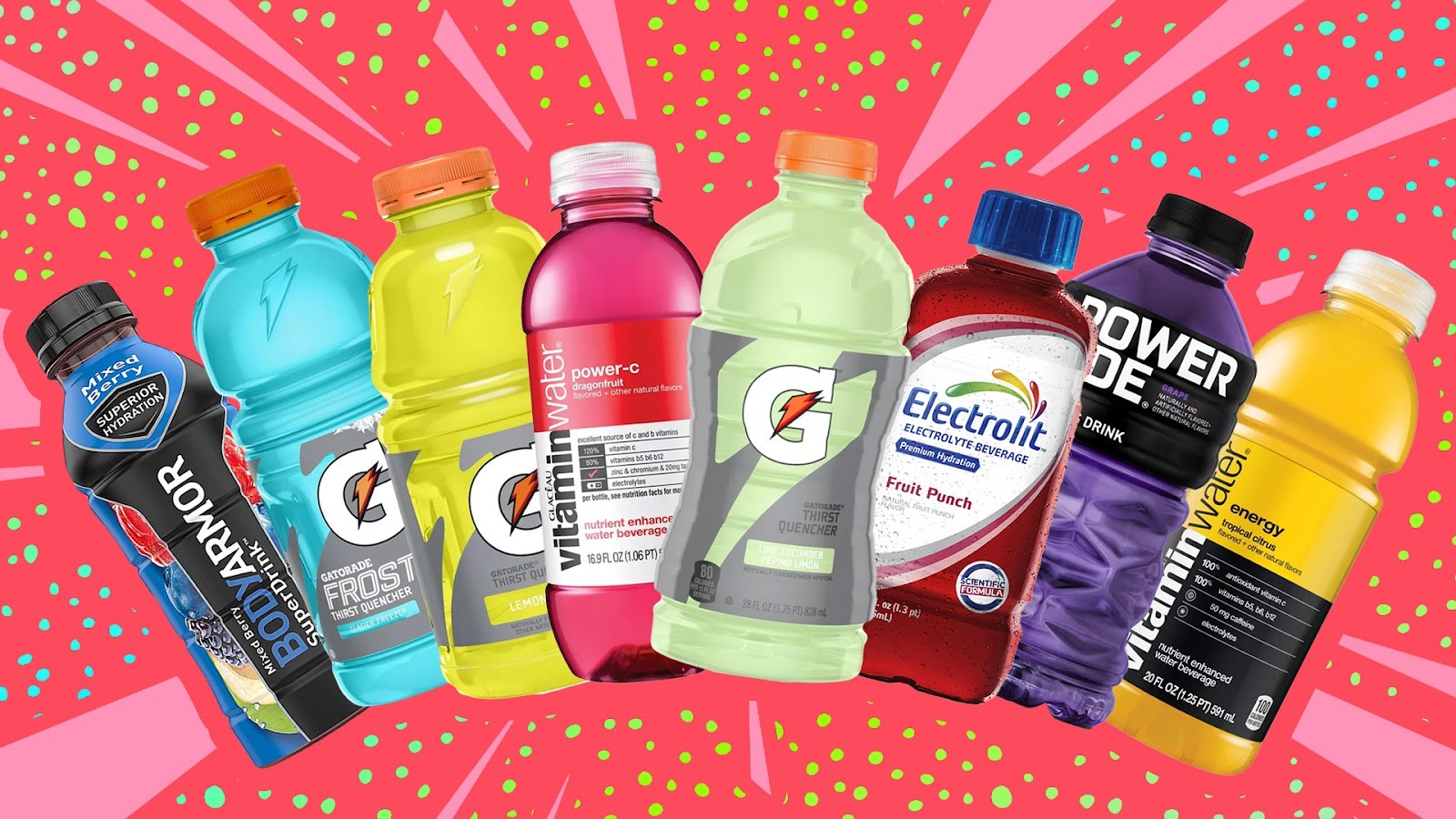
- Sugary drinks and desserts
Lifestyle Changes to Lower Cholesterol Levels
Diet alone cannot do all the work when it comes to managing high cholesterol. It must be supported by consistent lifestyle habits. Regular physical activity, especially cardio-based exercises such as brisk walking, cycling, swimming, jogging, or dancing, plays a crucial role in cholesterol management. Cardio exercises help the body burn excess circulating fats, lower LDL and triglyceride levels, and improve HDL (good cholesterol) by enhancing fat metabolism and improving blood circulation. Aim for at least 30–45 minutes of moderate-intensity activity on most days of the week.
Equally important is adequate sleep. Getting 7–8 hours of quality sleep each night helps regulate hormones involved in fat metabolism and prevents insulin resistance, both of which influence cholesterol levels. Chronic sleep deprivation can raise LDL and triglycerides over time.
Stress management is another often-overlooked factor. Persistent stress increases cortisol levels, which can negatively affect lipid profiles. Practices such as yoga, meditation, deep breathing, or mindful movement help calm the nervous system and support heart health.
Lastly, lifestyle risks such as smoking and excessive alcohol intake should be avoided. Smoking lowers HDL and damages blood vessels, while excess alcohol can raise triglycerides and contribute to fatty liver, further worsening cholesterol levels.
Can Genetics cause High Cholesterol?
In some individuals, high cholesterol may be influenced by genetic factors. Certain genes affect how the body produces, transports, and clears cholesterol, which can lead to persistently high levels despite lifestyle efforts.
If cholesterol levels remain elevated or there is a strong family history of heart disease, a DNA-based genetic test can help identify inherited risk factors. This provides deeper insight into how the body responds to fats and allows for more personalised nutrition and lifestyle planning.
For those seeking more clarity, you can book a consultation with us to know more.
Frequently Asked Questions:
- Can high cholesterol cause symptoms early on?
High cholesterol usually does not show obvious symptoms. Many people feel perfectly healthy even with elevated levels. That’s why regular blood tests are essential for early detection.
- Is high cholesterol purely caused by diet?
Not always. While poor dietary habits, sedentary lifestyle, and stress play a major role, genetics can also influence cholesterol levels. Some individuals may have inherited risk factors that require more personalized interventions.
- Which cooking oils are best for managing high cholesterol?
For heart health, choose oils that are low in saturated fats and rich in healthy fats. Good options include mustard oil, rice bran oil, soybean and olive oil. Limit ghee, butter, and vanaspati. Use minimal oil during cooking and prefer methods like steaming, grilling, or sautéing over deep-frying.
- How often should I check my cholesterol?
For adults, a lipid profile test once a year is usually sufficient. If there is a family history of heart disease or other risk factors, testing every 6 months may be advisable. If you have already been diagnosed with high cholesterol, it is recommended to check your levels every 3–4 months to monitor progress and make timely adjustments to your diet and lifestyle.
- Can cholesterol be reduced by diet?
Yes, cholesterol levels—especially LDL (bad cholesterol)—can be significantly reduced through diet and lifestyle changes in many people.
A diet rich in whole grains, fruits, vegetables, legumes, nuts, seeds, and healthy fats helps lower LDL cholesterol while supporting heart health.
In an Indian context, replacing refined carbs, fried foods, excess ghee/butter, and sugary items with fiber-rich foods like oats, millets, dal, vegetables, fruits, and fermented foods (curd) can lead to noticeable improvements within a few weeks.
- How long does it take to reduce cholesterol levels?
The time required to reduce cholesterol levels varies from person to person, but many people start seeing improvements within 4 to 8 weeks of making consistent dietary and lifestyle changes. Adopting a heart-healthy diet, increasing physical activity, improving sleep, and managing stress can gradually lower LDL (bad cholesterol) and improve overall lipid profiles.
For individuals with mild to moderately high cholesterol, diet changes—such as increasing fiber intake, reducing saturated and trans fats, and choosing whole, unprocessed foods—can lead to meaningful reductions within a few months. However, people with very high cholesterol, genetic conditions, diabetes, or existing heart disease may require a longer duration and sometimes medical treatment in addition to diet.
Regular blood tests every 8–12 weeks help track progress and determine whether dietary changes alone are sufficient or if additional support is needed.
However, diet alone may not be sufficient for everyone. People with genetic cholesterol disorders, very high LDL levels, diabetes, or existing heart disease may also need medical treatment along with dietary changes. Regular blood tests and professional guidance help determine the best approach.
Book Your Free Consultation
Share this article