


Fatty Liver Disease
Quick Answer
Fatty liver disease occurs when more than 5-10% of your liver's weight is fat. In India, 38.6% of adults have this condition – nearly 1 in 3 people. The disease progresses through four stages: simple steatosis, steatohepatitis (NASH), fibrosis, and cirrhosis. Urban Indians show even higher rates, with 65.7% prevalence in Delhi and an alarming 84% among IT professionals in Hyderabad. Women face particular vulnerability due to hormonal changes during menopause, PCOS, and pregnancy. The encouraging news is that early-stage fatty liver is completely reversible through lifestyle changes, including diet modification, weight loss, and regular exercise. Detection typically involves blood tests showing elevated liver enzymes (ALT/AST above 40 IU/L) and ultrasound imaging, though many people have no symptoms until the disease has progressed significantly.
When I review blood reports in my clinic, one pattern keeps appearing with alarming frequency: elevated liver enzymes. After ultrasound confirmation, the diagnosis is almost always the same – fatty liver disease. What surprises most of my clients is learning they're far from alone. Nearly 4 out of 10 Indian adults have this condition, and the vast majority had no idea until their routine health checkup.
The numbers tell a concerning story. A systematic review published in 2022 found that 38.6% of Indian adults have non-alcoholic fatty liver disease. In urban areas like Delhi, the prevalence jumps to 65.7%. Perhaps most striking is a recent study from Hyderabad that found 84% of IT professionals have fatty liver – the highest rate documented anywhere in India.
What makes fatty liver particularly dangerous is its silence. Unlike other health conditions that announce themselves with pain or obvious symptoms, fatty liver quietly accumulates over years. Your liver continues performing its essential functions even as fat builds up in its cells. By the time you notice anything wrong, the disease may have already progressed to more serious stages.
But here's the part that gives me hope when counseling clients: if caught early, fatty liver is completely reversible. The same liver that accumulated fat over years can shed it with the right interventions. Understanding how this happens, and more importantly, what you can do about it, is what this guide is all about.
What Is Fatty Liver Disease?
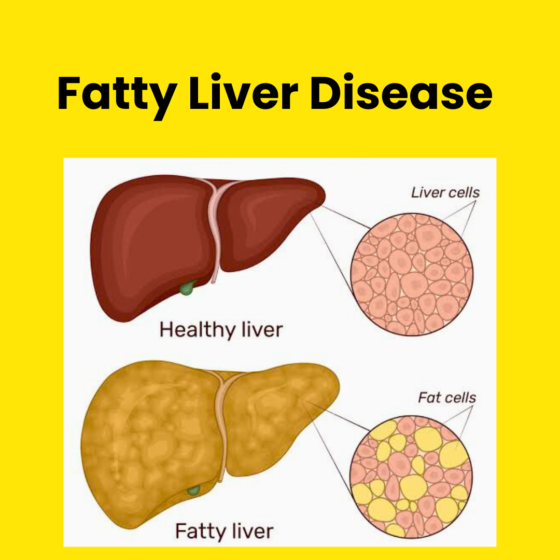
Fatty liver disease, medically termed hepatic steatosis, occurs when excess fat accumulates in liver cells beyond the normal range of less than 5% of the liver's weight. When this crosses the 5-10% threshold, we start seeing metabolic consequences.
Your liver is remarkably hardworking, performing over 500 essential functions from detoxifying blood to producing proteins and regulating blood sugar. When fat accumulates, it's like trying to run a high-performance filter that's becoming increasingly clogged. The liver continues functioning, but not optimally.
There are two main categories. Alcoholic fatty liver disease (AFLD) results from excessive alcohol consumption and affects about 5% of Indians. The far more common type is non-alcoholic fatty liver disease (NAFLD), which accounts for 38.6% of Indian adults according to a 2022 systematic review. This type develops without significant alcohol consumption and is strongly linked to metabolic syndrome, diabetes, and obesity.
What concerns me most when working with female clients is how their unique physiology creates additional vulnerability. Hormonal changes during menopause shift fat storage patterns, directing more fat to the abdomen and liver. Women with PCOS face even higher risk, with 50-70% developing fatty liver due to the insulin resistance and elevated androgens characteristic of the condition. Pregnancy, particularly when complicated by gestational diabetes, also increases future fatty liver risk.
The data shows that Indian women develop metabolic dysfunction at lower BMI thresholds compared to Western populations. This means even women who appear to be at a healthy weight by international standards may already be accumulating dangerous visceral fat that affects their liver.
Learn more about how hormonal imbalance affects women's metabolism.
Understanding How Fatty Liver Progresses
One question I hear repeatedly is "how bad is mine?" Understanding the stages helps put your diagnosis in perspective and, more importantly, helps you understand when intervention becomes critical.
The progression follows a predictable pattern, though the timeline varies dramatically between individuals. Some people remain in early stages for decades, while others progress rapidly depending on genetics, lifestyle, and concurrent conditions like diabetes or PCOS.
In the first stage, simple steatosis, fat droplets begin accumulating in liver cells. At this point, fat may comprise anywhere from 5% to 33% of the liver's weight. This stage is almost always silent – no symptoms, normal energy levels, no indication that anything is wrong. The good news is that simple steatosis is completely reversible with lifestyle changes. Many of my clients have eliminated their fatty liver entirely within 6-12 months at this stage.
The second stage, non-alcoholic steatohepatitis or NASH, marks a critical turning point. Here, fat accumulation triggers inflammation and actual liver cell damage. You might start noticing fatigue that doesn't improve with rest, or a vague discomfort in your right upper abdomen where the liver sits. Blood tests typically show elevated ALT and AST enzymes above 40 IU/L. The 2022 AIIMS study found that 23.2% of urban Indians have progressed to this stage with elevated liver enzymes. While NASH can still be reversed, it requires more aggressive intervention than simple steatosis.
Fibrosis, the third stage, develops when chronic inflammation creates scar tissue in the liver. This is where things become more serious. Detection usually requires a FibroScan or biopsy, as ultrasound alone can't reliably identify fibrosis. Symptoms include persistent fatigue and mild abdominal swelling. The same AIIMS study found that 16.5% of urban Indians have detectable liver fibrosis. Some reversal is possible if caught relatively early, but the window is narrowing.
The fourth and final stage, cirrhosis, represents extensive scarring that has replaced healthy liver tissue. At this point, the liver cannot function properly. Symptoms become unmistakable: jaundice (yellowing of skin and eyes), severe fatigue, ascites (fluid accumulation in the abdomen), and confusion from toxins the liver can no longer filter. Cirrhosis is irreversible, and liver transplant may become necessary. Complications include liver failure and hepatocellular carcinoma.
What determines how quickly someone progresses? The timeline from NAFLD to cirrhosis typically spans 10-20 years, but several factors accelerate progression. Women with PCOS, anyone with diabetes, and those carrying certain genetic variants can progress much faster. This is why early detection and intervention matter so much.
Recognizing the Signs: What Fatty Liver Feels Like
The most frustrating aspect of fatty liver is that most people feel absolutely nothing in the early stages. This is precisely why it's called a silent disease. You wake up with normal energy, go about your day, and have no indication that fat is slowly accumulating in your liver cells.
When symptoms do appear, they're often so subtle and non-specific that people attribute them to stress, aging, or just being busy. However, certain signs deserve attention.
Fatty Liver Symptoms by Stage
| Stage | Symptom Category | What You Might Notice |
|---|---|---|
| Early Stage (Simple Steatosis) | Subtle signs | Persistent fatigue that doesn't improve with rest |
| Vague discomfort in right upper abdomen | ||
| Feeling unusually full after eating less than normal | ||
| Unexplained difficulty losing weight despite diet and exercise | ||
| Dark patches on skin, particularly around neck and armpits (acanthosis nigricans) | ||
| Intermediate Stage (NASH/Fibrosis) | More pronounced symptoms | Chronic fatigue even without physical exertion |
| Loss of appetite | ||
| Nausea | ||
| Unintentional weight loss | ||
| Mental fog or difficulty concentrating | ||
| Persistent right upper abdominal pain | ||
| Advanced Stage (Cirrhosis) | Unmistakable symptoms | Jaundice – yellowing of skin and eyes |
| Edema – swelling in legs and ankles | ||
| Ascites – fluid accumulation in abdomen causing distention | ||
| Easy bruising and prolonged bleeding from minor cuts | ||
| Spider-like blood vessels visible on skin | ||
| Confusion or altered mental status (hepatic encephalopathy) |
Early symptoms are easy to dismiss individually, but together they warrant investigation. Here's what I tell my clients, especially those with diabetes, PCOS, obesity, or a family history of liver disease: don't wait for symptoms. By the time fatty liver announces itself with obvious signs, significant damage may have already occurred. Regular screening catches the condition when it's still completely reversible.
Why Fatty Liver Develops: Understanding the Root Causes
When clients ask me what caused their fatty liver, I usually explain that it's rarely just one thing. Most cases develop from a constellation of factors working together over time. Understanding these underlying causes helps us develop targeted interventions.
Insulin resistance sits at the heart of 70-80% of fatty liver cases. When your cells stop responding properly to insulin, your body compensates by producing more of it. This excess insulin has multiple effects, one of which is signaling your liver to convert excess glucose into fat and store it. Interestingly, you don't have to be overweight to have insulin resistance – I've seen lean women with completely normal BMI who have significant insulin resistance and fatty liver.
Understanding what insulin resistance is and how it develops can help you recognize your risk early.
The traditional Indian diet, while nutritious in many ways, presents challenges when it comes to metabolic health. Our meals tend to be heavy in refined carbohydrates – white rice, maida-based products, and an abundance of sweets consumed during festivals and celebrations. These refined carbs cause rapid blood sugar spikes, which over time contribute to both insulin resistance and direct fat storage in the liver through a process called de novo lipogenesis.
Diabetes and fatty liver form a particularly vicious cycle. The SPRINT study across 101 Indian cities found that 52-60% of people with type 2 diabetes have fatty liver. High blood sugar promotes fat storage in the liver, while fatty liver worsens insulin resistance, making diabetes harder to control. Each condition feeds into the other.
For specific dietary guidance if you have diabetes, see our diet chart for diabetic patients.
Obesity, particularly the accumulation of visceral fat around your abdomen, strongly predicts fatty liver development. Research shows that 64.6-95% of obese individuals have fatty liver. What's particularly relevant for Indians is that we develop fatty liver at much lower BMI thresholds than Western populations. About 20% of fatty liver cases in India occur in non-obese people – a phenomenon called "lean NAFLD" that reflects our genetic predisposition to accumulate dangerous visceral fat even at normal weights.
For women, PCOS creates a perfect storm for fatty liver development. Between 50-70% of women with PCOS have fatty liver, driven by the insulin resistance and elevated androgens that characterize the condition. Many of my PCOS clients discover their fatty liver during evaluation for fertility issues or irregular periods, having had no idea their liver was affected.
Learn more about PCOS and diet management.
The shift to sedentary lifestyles, particularly in IT and office workers, plays a massive role. The Hyderabad study showing 84% prevalence among IT professionals isn't surprising when you consider that many are sitting for 8-12 hours daily with minimal physical activity. Exercise doesn't just burn calories – it directly improves how your liver and muscles respond to insulin and helps burn existing liver fat.
Other factors matter too. Rapid weight loss from crash dieting can paradoxically cause or worsen fatty liver temporarily. Certain medications, including corticosteroids and some diabetes drugs, may contribute. And increasingly, we're recognizing the role of genetic variants that make some people significantly more susceptible regardless of their lifestyle.
The Genetic Factor: Why Fatty Liver Runs in Families
When I take a client's medical history and they mention that their mother or father had liver problems, it immediately raises my attention. Fatty liver has a strong hereditary component, and understanding your genetic risk can fundamentally change how aggressively we approach prevention and treatment.
The most significant genetic factor discovered so far involves a gene called PNPLA3, which provides instructions for making a protein involved in fat metabolism in the liver. Most people carry a version of this gene that allows normal fat breakdown in liver cells. However, a common variant known as I148M (identified by the code rs738409) significantly alters how the liver handles fat.
Research has shown that people carrying two copies of the risk variant – what geneticists call the G/G genotype – have 3.41 times higher risk of developing NAFLD compared to those with the normal C/C genotype. This isn't a small effect; it's one of the strongest genetic risk factors identified for any common metabolic condition.
What makes this particularly relevant for Indian populations is that multiple studies have confirmed this association specifically in our genetic background. A study in North India found that people with the G/G genotype had almost twice the risk of fatty liver even after accounting for age, sex, and BMI. In South India, researchers documented up to a four-fold increased risk, particularly in people who also had elevated triglycerides. More recently, work in the Bengali population of West Bengal confirmed that the G allele associates not just with developing fatty liver, but with more severe stages of the disease.
The mechanism is fascinating. The I148M variant essentially makes the PNPLA3 protein less effective at breaking down fats in liver cells. Instead of being metabolized and exported, fats accumulate in lipid droplets within liver cells. People with this variant also tend to have higher levels of liver enzymes (ALT and AST), indicating more liver cell stress and damage.
But here's what's important to understand: genes aren't destiny. Even if you carry the high-risk G/G genotype, lifestyle interventions can dramatically reduce your risk. What changes is how aggressive you need to be with those interventions. Someone with the G/G genotype might need to be more strict with refined carbohydrate intake and more consistent with exercise compared to someone with the protective C/C genotype eating the same diet.
Other genes matter too, though they've been studied less extensively in Indian populations. TM6SF2 affects how the liver exports fat – variants here create an interesting paradox where people have higher liver fat but lower blood triglycerides and actually lower heart disease risk. GCKR variants influence both glucose and fat metabolism. MBOAT7 affects phospholipid remodeling in liver cells.
This is where DNA-based testing becomes valuable. Knowing your PNPLA3 genotype helps answer questions like: How aggressively do I need to modify my diet? How much weight loss is really necessary? Am I at higher risk for progression to advanced stages? The answers differ substantially between someone with C/C versus G/G genotypes, even if their current liver fat levels are identical.
I've seen this play out clinically. Two women, same age, similar BMI, similar diets. One woman's fatty liver improves easily with moderate dietary changes. The other struggles to see improvement despite seemingly doing everything right. When we test their genetics, often the explanation becomes clear – one has the protective genotype, the other has the high-risk variant requiring more intensive intervention.
Discover how DNA-based personalized nutrition can transform your health outcomes.
Getting Diagnosed: The Tests You Need
Fatty liver is typically discovered in one of two ways: either during investigation of elevated liver enzymes found on routine blood work, or through abdominal ultrasound performed for other reasons. Rarely, someone presents with symptoms that prompt direct investigation.
Blood tests form the first line of screening. Liver function tests measure enzymes like ALT (alanine aminotransferase) and AST (aspartate aminotransferase). When these exceed 40 IU/L, it signals that liver cells are under stress. In fatty liver, ALT typically rises higher than AST, creating an ALT/AST ratio above 1. However – and this is crucial – normal liver enzymes don't rule out fatty liver. Many people have significant fat accumulation with completely normal enzyme levels.
The broader metabolic picture matters too. We check fasting blood sugar and HbA1c to screen for diabetes or pre-diabetes, since these conditions so frequently coexist with fatty liver. A lipid profile reveals cholesterol and triglyceride levels, which are often abnormal in people with fatty liver. Some clinicians also measure fasting insulin levels to directly assess insulin resistance, though this isn't yet standard practice everywhere.
Abdominal ultrasound serves as the first-line imaging test. It's non-invasive, widely available, and relatively inexpensive. The limitation is that ultrasound can only detect fatty liver when at least 20% of the liver is affected, and it cannot distinguish simple steatosis from NASH. Still, for initial screening, it works well.
FibroScan, also called transient elastography, represents a significant advance. This device measures liver stiffness, which correlates with fibrosis. The same AIIMS study that documented 65.7% fatty liver prevalence in urban Delhi found that 16.5% of those screened had significant fibrosis on FibroScan. The test is non-invasive, quick, and provides quantitative measurements of both fat content and fibrosis. The main drawback is cost and availability – not all centers have the equipment.
More advanced imaging like CT or MRI provides greater accuracy than ultrasound, with MRI-PDFF (proton density fat fraction) capable of quantifying the exact percentage of liver fat. These are expensive and typically reserved for complex cases or research settings.
Liver biopsy remains the gold standard for diagnosis, especially when we need to distinguish NASH from simple steatosis or accurately stage fibrosis. A small sample of liver tissue is removed with a needle and examined under microscope. Given that it's invasive with small but real risks, biopsies are reserved for cases where the diagnosis is uncertain or when determining exact fibrosis stage would change management decisions.
Who should get screened? The threshold should be quite low. Anyone with type 2 diabetes or pre-diabetes needs screening. People with obesity (remember, BMI above 25 counts as overweight for Indians) should be checked. Women with PCOS, anyone with high cholesterol or triglycerides, and those with family history of liver disease all warrant screening. If you have metabolic syndrome or unexplained elevated liver enzymes, investigation is essential.
Not Sure About Your Risk Level?
Get personalized insights in just 2 minutes with our free metabolic health assessment
Take Free Assessment Now →For a comprehensive understanding of metabolic health screening, review our guide to 11 blood tests that reveal your metabolic health.
The Web of Metabolic Conditions
Fatty liver rarely exists in isolation. More often, it's one manifestation of broader metabolic dysfunction that affects multiple organ systems simultaneously. Understanding these connections helps explain why addressing fatty liver often improves seemingly unrelated health problems.
The relationship between fatty liver and diabetes exemplifies this interconnection. As mentioned earlier, 52-60% of people with type 2 diabetes have fatty liver. Both conditions share insulin resistance as their root cause. High blood sugar promotes fat storage in the liver, while accumulated liver fat worsens the liver's ability to regulate glucose, creating a self-reinforcing cycle. The encouraging part is that interventions targeting one condition – reducing refined carbohydrate intake, increasing physical activity, achieving modest weight loss – simultaneously improve both.
High cholesterol and fatty liver frequently appear together as components of metabolic syndrome. Both stem from the same underlying insulin resistance and disordered fat metabolism. Interestingly, some people with significant fatty liver have normal cholesterol levels, while others have the reverse. The genetic variants we discussed earlier, particularly in PNPLA3 and TM6SF2, influence this relationship. A diet emphasizing whole foods over refined carbohydrates helps both conditions regardless of which came first.
See our diet chart for high cholesterol for specific dietary guidance.
For women, the PCOS connection cannot be overstated. Between 50-70% of PCOS patients develop fatty liver, driven by the same hormonal imbalances and insulin resistance that cause the ovarian manifestations. High androgens characteristic of PCOS promote visceral fat accumulation, including in the liver. Many women discover their fatty liver during PCOS workup, having had no liver-related symptoms. Weight loss, even as little as 5-7% of body weight, often improves both the reproductive symptoms and the liver fat.
The gut-liver connection represents an emerging area of understanding. Your gut microbiome – the trillions of bacteria in your intestines – communicates directly with your liver through what researchers call the gut-liver axis. Dysbiosis, an imbalance in these bacterial populations, influences liver inflammation and fat accumulation. This helps explain why some people respond so well to dietary changes that promote healthy gut bacteria: increased fiber, fermented foods, and reduced processed food intake. The benefits extend beyond the gut to the liver itself.
Learn more about complete guide to metabolic health.
What to Eat: A Practical Approach to Liver-Healing Nutrition
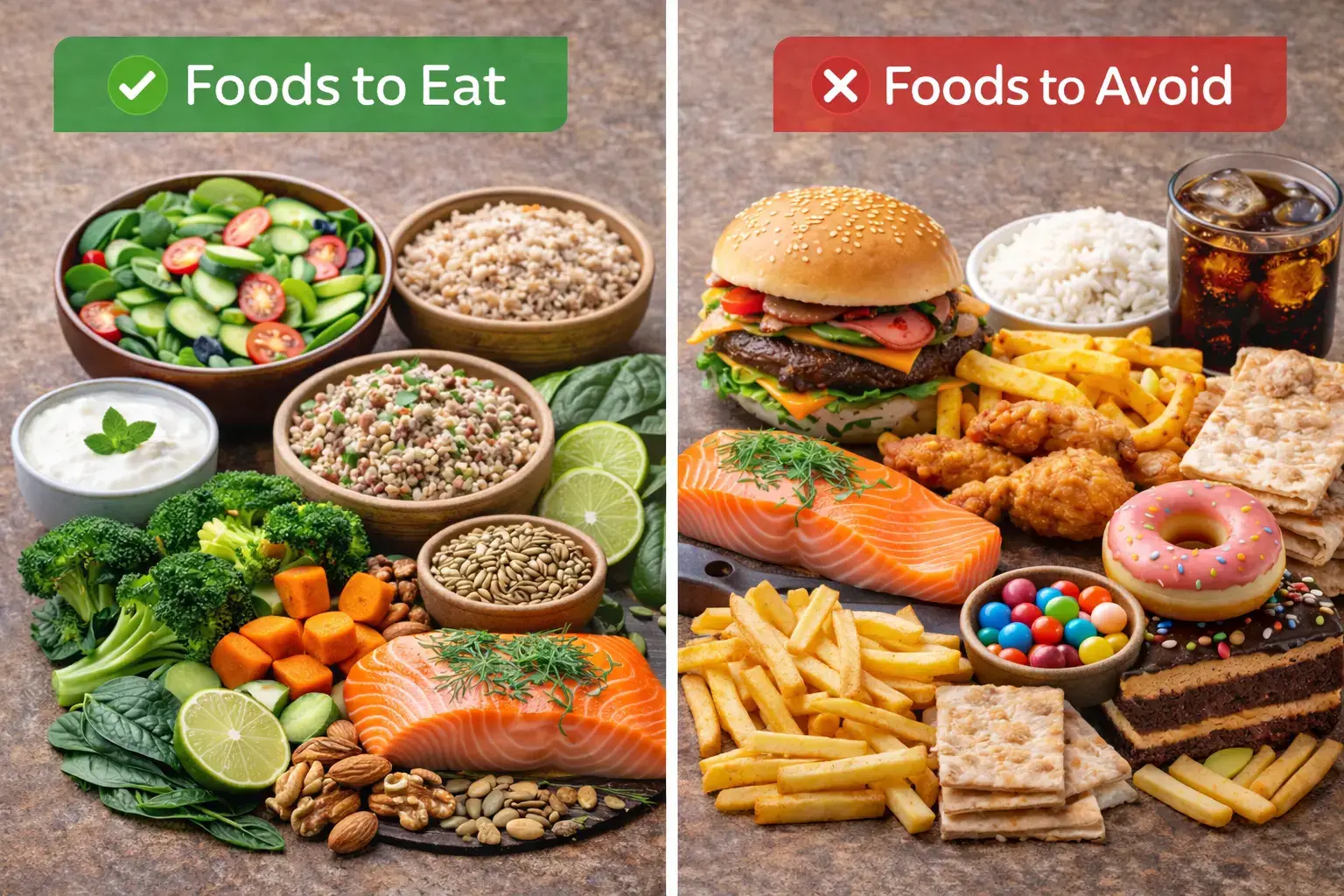
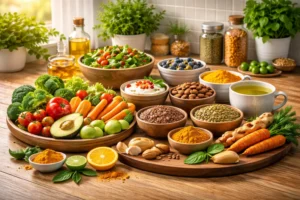
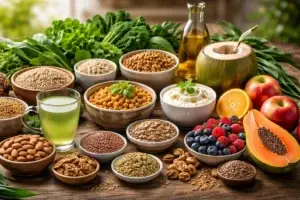
When clients ask what they should eat for fatty liver, they're often expecting a complex, restrictive diet. The reality is simpler but requires consistency. The fundamental principle is this: shift from refined, processed carbohydrates to whole foods that don't spike blood sugar and insulin.
Fatty Liver Diet Guide
| Food Category | What to Eat | Why It Helps | Specific Recommendations |
|---|---|---|---|
| Proteins | Dal, paneer, tofu, tempeh, eggs, fish | Repairs liver cells, maintains muscle mass, increases satiety, reduces hunger | Aim for 1.2-1.6g protein per kg body weight daily. Fish provides omega-3 fatty acids that directly reduce liver inflammation. For vegetarians, combine dal with whole grains for complete protein. |
| Complex Carbohydrates | Brown rice, quinoa, millets (ragi, jowar), steel-cut oats, whole wheat (limited) | Low glycemic index prevents blood sugar and insulin spikes that promote liver fat storage | Replace white rice with brown rice or better yet quinoa and millets. Whole wheat acceptable but watch portions – even whole grain flours affect blood sugar more than intact grains. Treat white rice as occasional food, not daily staple. |
| Healthy Fats | Flaxseeds, walnuts, chia seeds, fatty fish, cold-pressed olive oil, mustard oil | Omega-3 fatty acids actively reduce liver inflammation | Use cold-pressed oils in moderation. Include omega-3 sources daily. |
| Vegetables (Cruciferous) | Broccoli, cauliflower, cabbage, Brussels sprouts, bitter gourd | Contains compounds that help liver process and eliminate toxins | Fill half your plate with vegetables at lunch and dinner. |
| Vegetables (Leafy Greens) | Spinach, methi (fenugreek leaves) | Provides nutrients that support liver cell function | Include daily in meals. |
| Fruits (Lower Fructose) | Berries, apples, citrus fruits | Provides valuable nutrients and fiber with relatively less fructose | Eat in moderate portions. The fiber helps slow sugar absorption. |
| Fruits to Limit | Mangoes, bananas, grapes | Higher sugar/fructose content can contribute to liver fat | Limit consumption. Enjoy occasionally in small amounts. |
| Coffee | Black coffee (2-3 cups daily, no sugar) | Antioxidants and bioactive compounds protect liver cells; studies show may reduce fibrosis progression | Plain black coffee or with small amount of milk. Avoid sugary coffee drinks which negate benefits. |
Foods to Completely Avoid
| Food Type | Examples | Why Avoid |
|---|---|---|
| Sugar & Sweets | Soft drinks, packaged fruit juices, candies, mithai, desserts | Added sugar (especially high-fructose corn syrup) directly increases liver fat |
| Refined Carbohydrates | White rice, maida products, white bread, pasta, noodles, biscuits | Spike blood sugar and insulin, promote liver fat storage |
| Fried Foods | Pakoras, samosas, chips, street food, restaurant fried items | Trans fats worsen liver inflammation and insulin resistance |
| Fruit Juice | Even fresh juice | Removes fiber while concentrating fructose – avoid entirely |
| Alcohol | All types | Accelerates progression to cirrhosis even in non-alcoholic fatty liver disease |
Sample One-Day Meal Plan
| Meal Time | What to Eat |
|---|---|
| Breakfast (8 AM) | Vegetable oats upma mixed with flaxseeds + 1 boiled egg or 100g cubed paneer |
| Mid-Morning (11 AM) | Small apple with 10 almonds |
| Lunch (1 PM) | Small portion brown rice OR 2 multigrain rotis + mixed dal (moong + masoor) + large serving mixed vegetables (cauliflower, beans, carrots) + cucumber raita |
| Evening (4 PM) | Roasted chana OR bowl of vegetable soup |
| Dinner (7 PM) | Quinoa khichdi OR millet roti + palak paneer OR tofu curry + substantial salad with olive oil dressing |
Portion Control
The portions matter as much as the choices. Even healthy foods consumed in excess can prevent weight loss and liver fat reduction. Most people find that reducing portions feels difficult initially but becomes natural within 2-3 weeks as insulin sensitivity improves and hunger signals normalize.
Learn more about protein-rich foods for vegetarians.
For more specific dietary guidance, see our diet chart for diabetic patients and diet chart for high cholesterol, as these conditions often coexist with fatty liver.
Beyond Diet: Lifestyle Changes That Reverse Fatty Liver
Nutrition alone doesn't tell the complete story. Several other lifestyle factors directly influence liver fat accumulation and can accelerate or slow reversal.
Weight loss stands as perhaps the single most powerful intervention, assuming you're carrying excess weight. The magic threshold appears to be 7-10% of body weight – research consistently shows this amount of weight loss can completely eliminate liver fat in people with simple steatosis. Even more encouraging, you start seeing benefits much earlier. Just 3-5% weight loss improves liver fat and insulin sensitivity. The critical detail is pace: gradual weight loss of 0.5-1 kilogram per week works better than rapid drops. Crash diets can actually worsen fatty liver temporarily, while steady, sustainable weight loss allows the liver to process and export fat effectively.
Exercise deserves equal billing with diet, not secondary status. Physical activity reduces liver fat through multiple mechanisms, and remarkably, even without weight loss. Aerobic exercise – brisk walking, cycling, swimming – for 150 minutes weekly provides substantial benefit. Adding strength training 2-3 days per week further improves outcomes. The best time for exercise? After meals. Post-meal physical activity blunts blood sugar spikes and helps muscles absorb glucose that might otherwise be converted to liver fat.
Sleep quality affects metabolic health more profoundly than most people realize. Seven to eight hours of quality sleep supports healthy insulin function and reduces stress hormone production. Sleep apnea, which causes repeated breathing pauses during sleep, directly worsens fatty liver. If you snore loudly and feel tired despite sleeping adequate hours, sleep apnea testing is worth considering.
Chronic stress creates its own metabolic problems. Elevated cortisol promotes abdominal fat accumulation and worsens insulin resistance. While eliminating all stress isn't realistic, regular practices like meditation, yoga, or even simple breathing exercises help modulate the stress response. Many clients report that managing stress improves not just their mental state but their physical health markers, including liver enzymes.
Understand how high cortisol affects your metabolism.
Intermittent fasting has gained attention as a potential tool for improving insulin sensitivity and reducing liver fat. Some people find eating within an 8-10 hour window daily (for example, finishing dinner by 7 PM and not eating again until 9-11 AM) helps control calories and improves metabolic markers. However, this approach doesn't suit everyone and should be undertaken with medical supervision, particularly if you have diabetes or take medications.
Can fatty liver actually be reversed? For simple steatosis, absolutely yes. Complete reversal is achievable and common with consistent lifestyle changes. The timeline varies. Within 3-6 months, liver enzymes typically normalize, insulin sensitivity improves, and imaging starts showing less liver fat. By 6-12 months, many people have significantly reduced their liver fat, with inflammation decreasing if it was present. The one to two year mark often brings complete resolution for those who maintain their changes.
NASH reversal takes longer and requires more aggressive intervention, but it's possible. Fibrosis presents more challenges – some reversal can occur in stage 2 or even early stage 3 if treatment is intensive, but the window narrows as scarring advances. Cirrhosis represents permanent damage, though preventing further deterioration remains crucial.
Success factors include consistency above all else. The person who makes moderate dietary changes and sticks with them for a year outperforms the person who follows a perfect diet for two months then reverts to old patterns. Other critical elements include achieving that 7-10% weight loss, exercising regularly (not sporadically), ensuring adequate sleep, and managing stress. For those with high-risk genetics, particularly the PNPLA3 G/G genotype, more intensive interventions may be necessary, but reversal remains possible.
Prevention: Stopping Fatty Liver Before It Starts
For those who don't yet have fatty liver, prevention centers on the same principles as treatment, just applied proactively. Maintaining a healthy weight – BMI between 18.5 and 23 for Indians – provides substantial protection. This doesn't mean obsessing over every kilogram, but rather avoiding the gradual weight creep that accompanies sedentary living and processed food consumption.
The dietary pattern matters more than any single food. A balanced diet emphasizing whole grains over refined ones, adequate protein, abundant vegetables, and limited added sugars provides the foundation. Regular physical activity, even just 30 minutes of brisk walking daily, offers significant metabolic benefits. Annual health checkups that include liver function tests catch problems early when they're easiest to address.
Managing other health conditions – diabetes, high cholesterol, hypertension – reduces fatty liver risk since these conditions share common metabolic roots. For women, being aware of how PCOS increases risk and addressing it proactively makes a difference.
Those with family history of liver disease face higher risk and might consider genetic testing to understand their personal susceptibility. Knowing you carry high-risk PNPLA3 variants doesn't mean you'll definitely develop fatty liver, but it does mean you benefit from more vigilant prevention efforts.
Data Tables
Table 1: Fatty Liver Prevalence in India
| Population Group | Prevalence | Reference |
|---|---|---|
| General Indian adults | 38.6% (95% CI: 32-45.5%) | Systematic review 2022 |
| Urban adults (Delhi) | 65.7% (95% CI: 60.3-71.2%) | AIIMS study 2022 |
| Rural adults | 61.1% (95% CI: 55.8-66.5%) | AIIMS study 2022 |
| IT professionals (Hyderabad) | 84.06% | Scientific Reports 2025 |
| Indian children | 35.4% (95% CI: 18.2-54.7%) | Meta-analysis 2022 |
| Obese children | 63.4% (95% CI: 59.4-67.3%) | Meta-analysis 2022 |
| Non-obese children | 12.4% (95% CI: 4.4-23.5%) | Meta-analysis 2022 |
| Type 2 diabetics | 52-60% | Multiple studies |
| PCOS patients | 50-70% | Clinical data |
| Obese adults | 64.6-95% | Multiple studies |
Source: PMC, Nature, Scientific Reports, PLOS ONE (2021-2025)
Table 2: Fatty Liver Stages and Characteristics
| Stage | Fat Content | Inflammation | Fibrosis | Reversibility | Symptoms |
|---|---|---|---|---|---|
| Stage 1: Simple Steatosis | 5-33% | No | No | Fully reversible | Usually none |
| Stage 2: NASH | >5% | Yes | Minimal | Partially reversible | Fatigue, discomfort |
| Stage 3: Fibrosis | >5% | Yes | Yes (scar tissue) | Limited reversal | Fatigue, swelling |
| Stage 4: Cirrhosis | Variable | Yes | Extensive | Irreversible | Jaundice, ascites, confusion |
Table 3: PNPLA3 Gene Variants and Fatty Liver Risk
| Genotype | Risk Level | Relative Risk (Odds Ratio) | Prevalence in Indians |
|---|---|---|---|
| C/C (Normal) | Low | 1.0 (baseline) | ~40-50% |
| C/G (Heterozygous) | Moderate | 1.5-2.0x higher risk | ~40-45% |
| G/G (Homozygous risk) | High | 3.41x higher risk | ~10-15% |
Indian-specific data: North India shows G/G genotype with 1.98x higher risk (adjusted for BMI). South India demonstrates up to 4-fold increased risk with elevated triglycerides. The G allele associates with higher ALT, AST, and faster progression to NASH.
Source: PubMed studies on Indian populations (2013-2024)
Frequently Asked Questions
Q1. Which foods worsen fatty liver the most?
Refined carbohydrates and added sugars cause the most direct harm. White rice, maida-based products, soft drinks, fruit juices, and sweets all spike blood sugar and insulin while contributing to liver fat through de novo lipogenesis. Fructose from added sugars is particularly problematic because the liver processes it differently from glucose. Even seemingly healthy foods like fruit juice remove the protective fiber while concentrating the fructose. Fried foods and trans fats worsen inflammation. Alcohol, despite the condition being "non-alcoholic" fatty liver, accelerates progression if consumed.
Q2. How quickly can I expect to see improvement?
For simple steatosis with consistent lifestyle changes, you typically see liver enzyme normalization within 2-3 months. Noticeable reduction in liver fat on imaging usually requires 3-6 months. Complete reversal often takes 6-12 months. NASH and fibrosis require longer, typically 1-2 years for significant improvement. The timeline varies based on how aggressively you modify your lifestyle, how much weight you lose, and your genetic background. People with the high-risk PNPLA3 genotype may need more time and stricter interventions.
Q3. Is coffee actually beneficial for my liver?
Research consistently shows that 2-3 cups of black coffee daily may reduce liver fibrosis progression. Coffee contains antioxidants and bioactive compounds that protect liver cells. The key word is "black" – adding significant amounts of sugar or turning coffee into a calorie-laden dessert negates any benefit. If you don't drink coffee, you don't need to start, but if you do enjoy it, moderate consumption appears actively helpful rather than harmful.
Q4. What exactly does the PNPLA3 gene do?
PNPLA3 provides instructions for making a protein involved in breaking down fats in liver cells. The I148M variant (also called the G allele or rs738409) makes this protein less effective at fat breakdown. Instead of being metabolized and exported, fats accumulate in liver cells as lipid droplets. People with two copies of the risk variant (G/G genotype) have 3.41 times higher risk of developing NAFLD compared to those with the normal C/C genotype. Multiple studies in North India, South India, and the Bengali population have confirmed this association. Knowing your genotype helps personalize how aggressive your dietary and lifestyle interventions need to be.
Q5. Does fatty liver make weight loss harder?
It creates a frustrating cycle. Excess weight contributes to fatty liver development, while fatty liver worsens insulin resistance, which then makes weight loss more difficult. Many women find that despite eating well and exercising, the scale barely moves. Breaking this cycle requires addressing insulin resistance directly – reducing refined carbohydrates significantly, increasing protein intake, and ensuring consistent exercise. Once insulin sensitivity starts improving, weight loss typically becomes easier. This is why the initial 4-6 weeks often feel discouraging, but persistence through this period usually yields results.
Q6. What's the connection between fatty liver and PCOS?
The connection is strong and bidirectional. Between 50-70% of women with PCOS develop fatty liver because both conditions involve insulin resistance and hormonal imbalances. The elevated androgens characteristic of PCOS promote visceral fat accumulation, including in the liver. Many women discover their fatty liver during PCOS evaluation. The encouraging aspect is that interventions targeting insulin resistance – reducing refined carbohydrates, increasing physical activity, achieving modest weight loss – improve both conditions simultaneously.
Q7. Is genetic testing worthwhile for fatty liver?
Knowing your PNPLA3 genotype fundamentally changes your treatment approach. Two people eating identical diets can have vastly different outcomes based on their genetics – someone with the high-risk G/G genotype has 3.41 times higher risk and needs more aggressive interventions than someone with protective variants. Testing is particularly valuable if you have a family history of liver disease, developed fatty liver despite normal BMI, or aren't seeing improvement despite lifestyle changes. The test reveals whether moderate dietary modifications will work for you or whether you need stricter carbohydrate restriction and more intensive exercise. It's a one-time investment that provides lifetime guidance on exactly how strict you need to be, eliminates years of trial-and-error, and helps you understand your children's inherited risk for early prevention.
Q8. Can fatty liver cause abdominal fat or does abdominal fat cause fatty liver?
It works both ways, creating a vicious cycle. Abdominal fat, particularly visceral fat around your organs, drives insulin resistance and promotes liver fat accumulation – this is the primary direction of causation. However, once fatty liver develops, it worsens insulin resistance systemically, which then promotes further abdominal fat storage. Both share the same root cause: insulin resistance and metabolic dysfunction. Addressing one helps the other, which is why reducing refined carbohydrate intake benefits both belly fat and liver fat simultaneously.
Ready to Assess Your Metabolic Health?
Take our comprehensive assessment to get personalized recommendations based on your unique risk factors
Start Your Free Assessment →References
All statistics and medical information in this article are sourced from peer-reviewed scientific journals:
- Shalimar, et al. (2022). "Prevalence of non-alcoholic fatty liver disease in India: A systematic review and meta-analysis." Journal of Clinical and Experimental Hepatology, 12(3), 818-829.
https://www.sciencedirect.com/science/article/abs/pii/S0973688321005740 - Kulkarni, A.V., et al. (2025). "Prevalence of metabolic dysfunction-associated fatty liver disease among information technology employees in India." Scientific Reports, Nature.
https://www.nature.com/articles/s41598-025-91482-2 - Asadullah, M., et al. (2022). "Rural-Urban differentials in prevalence, spectrum and determinants of Non-alcoholic Fatty Liver Disease in North Indian population." PLOS ONE, 17(2), e0263768.
https://journals.plos.org/plosone/article?id=10.1371/journal.pone.0263768 - Kallur, S.D., et al. (2013). "Genetic variation in the patatin-like phospholipase domain-containing protein-3 (PNPLA-3) gene in Asian Indians with nonalcoholic fatty liver disease." Indian Journal of Gastroenterology, 32(5), 279-286.
https://pubmed.ncbi.nlm.nih.gov/23734760/ - Kanth, V.V., et al. (2020). "Association of metabolic syndrome and patatin-like phospholipase 3 - rs738409 gene variant in non-alcoholic fatty liver disease among a Chennai-based south Indian population." European Journal of Gastroenterology & Hepatology, 32(3), 339-345.
https://pubmed.ncbi.nlm.nih.gov/31945251/ - Xu, R., et al. (2015). "Association between patatin-like phospholipase domain containing 3 gene (PNPLA3) polymorphisms and nonalcoholic fatty liver disease: A HuGE review and meta-analysis." Scientific Reports, 5, 9284.
https://www.nature.com/articles/srep09284 - Romeo, S., et al. (2008). "Genetic variation in PNPLA3 confers susceptibility to nonalcoholic fatty liver disease." Nature Genetics, 40(12), 1461-1465.
https://www.nature.com/articles/ng.257 - Kalra, S., et al. (2013). "Study of prevalence of nonalcoholic fatty liver disease (NAFLD) in type 2 diabetes patients in India (SPRINT)." Journal of Association of Physicians of India, 61(7), 448-453.
https://pubmed.ncbi.nlm.nih.gov/24772746/ - Anton, M.C., et al. (2023). "Prevalence of non-alcoholic fatty liver disease in urban adult population in a tertiary care center, Chennai." Indian Journal of Community Medicine, 48(4), 640-644.
https://journals.lww.com/ijcm/fulltext/2023/48040/prevalence_of_non_alcoholic_fatty_liver_disease_in.17.aspx - Riazi, K., et al. (2022). "Global incidence and prevalence of nonalcoholic fatty liver disease." Clinical and Molecular Hepatology, 29(Suppl), S32-S42.
https://pmc.ncbi.nlm.nih.gov/articles/PMC10029957/ - Government of India Press Release (2024). "Every third Indian has fatty liver; predates Diabetes, metabolic disorders." Ministry of Science and Technology.
https://www.pib.gov.in/PressReleaseIframePage.aspx?PRID=2030937
Final Thoughts
When I review the literature on fatty liver prevalence in India – 38.6% of adults, 84% of IT professionals in some studies, 65.7% in urban Delhi – I'm struck by how common this condition has become. What was once considered relatively rare has emerged as one of the defining metabolic challenges of our generation.
The silver lining is that unlike many chronic conditions, early-stage fatty liver responds remarkably well to intervention. Simple steatosis reverses completely with sustained lifestyle changes. Even NASH can improve significantly with dedicated effort. The liver's regenerative capacity is extraordinary when given the right conditions.
Early detection makes all the difference. Waiting for symptoms means waiting too long – by the time fatty liver announces itself with obvious signs, considerable damage may have occurred. If you have diabetes, PCOS, excess weight, or a family history of liver disease, screening should be a priority, not an afterthought.
For those discovering they carry high-risk genetic variants like PNPLA3, the news isn't deterministic. Genes influence susceptibility, but they don't dictate outcomes. They simply inform how aggressively you need to approach prevention and treatment. Two people with identical diets may have vastly different outcomes based on their genetics, which is why personalized approaches matter.
The path forward centers on fundamentals: whole foods over processed ones, regular physical activity, adequate sleep, stress management, and maintaining a healthy weight. These aren't glamorous interventions, but they work. The clients I see succeed are rarely those who find some exotic solution – they're the ones who make sustainable changes and maintain them consistently over months and years.
If you're reading this because of recent abnormal blood work or an ultrasound finding, remember that you've caught this at a time when it's still reversible. That's not a small thing. Start with one meaningful change today – perhaps swapping refined rice for whole grains, or committing to a 30-minute walk after dinner. Build from there. The liver is forgiving. Give it what it needs, and it will respond.
Understand Your Personal Risk Factors
Take our metabolic health assessment to determine whether screening or genetic testing might be appropriate for your situation
🔍 Take Free Metabolic AssessmentMedical Disclaimer: This article is for educational purposes only and is not a substitute for professional medical advice, diagnosis, or treatment. Always consult your physician or qualified healthcare provider with any questions about a medical condition.
Last Updated: March 2026
Book Your Free Consultation
Share this article
Nupur Sharma
Nupur Sharma is a Sports Nutritionist. She has a scientific approach towards nutrition. She passionately unfolds latent aspects linking nutritional science and sports performance so that athletes and fitness enthusiasts can achieve their highest potential. She holds a Master’s degree in Sports Nutrition and Bachelor’s degree in Food, Nutrition and Dietetics.