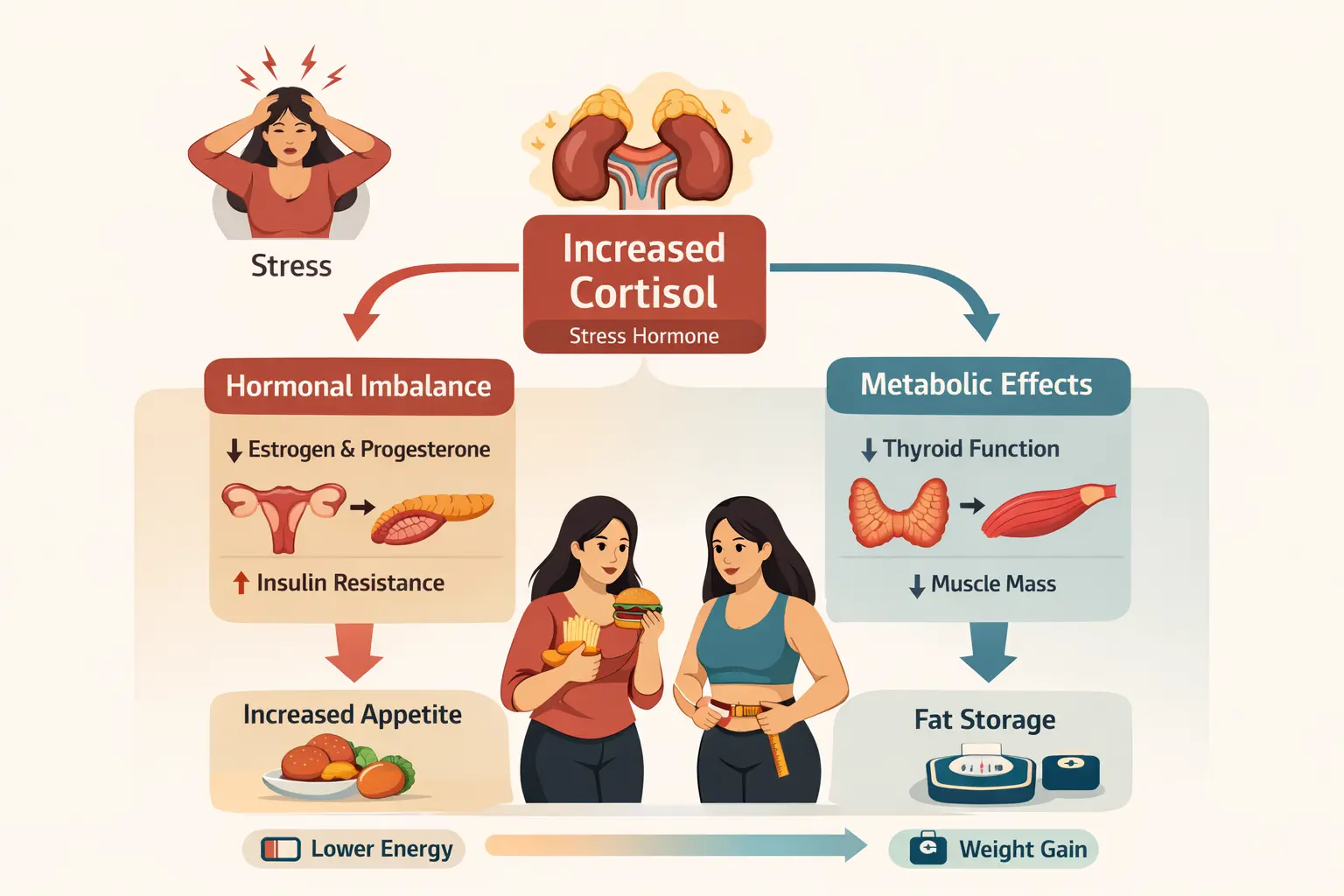



Fenugreek may help manage blood sugar levels, improve PCOS symptoms, aid weight loss, lower cholesterol, and reduce inflammation. Its effectiveness can vary based on individual genetics, and consistent use is essential for optimal results.
What are the Quick Benefits of Fenugreek (Methi)?
Fenugreek seeds reduce blood sugar, lower cholesterol, improve PCOS symptoms, and aid weight loss. These small golden seeds, commonly found in Indian kitchens, contain powerful compounds including hydroxyisoleucine, galactomannan, and diosgenin that target insulin resistance, hormone balance, and metabolic health.
Key Benefits:
- ✅ Lowers blood sugar & HbA1c
- ✅ Improves PCOS symptoms (regulates periods, reduces testosterone)
- ✅ Aids weight loss (increases satiety, reduces belly fat)
- ✅ Reduces cholesterol
Recommended Dosage: 500-1000mg fenugreek extract daily or 1 teaspoon (5g) seeds soaked overnight. Start with lower doses to assess tolerance.
What is Fenugreek (Methi) and Its Nutritional Profile?
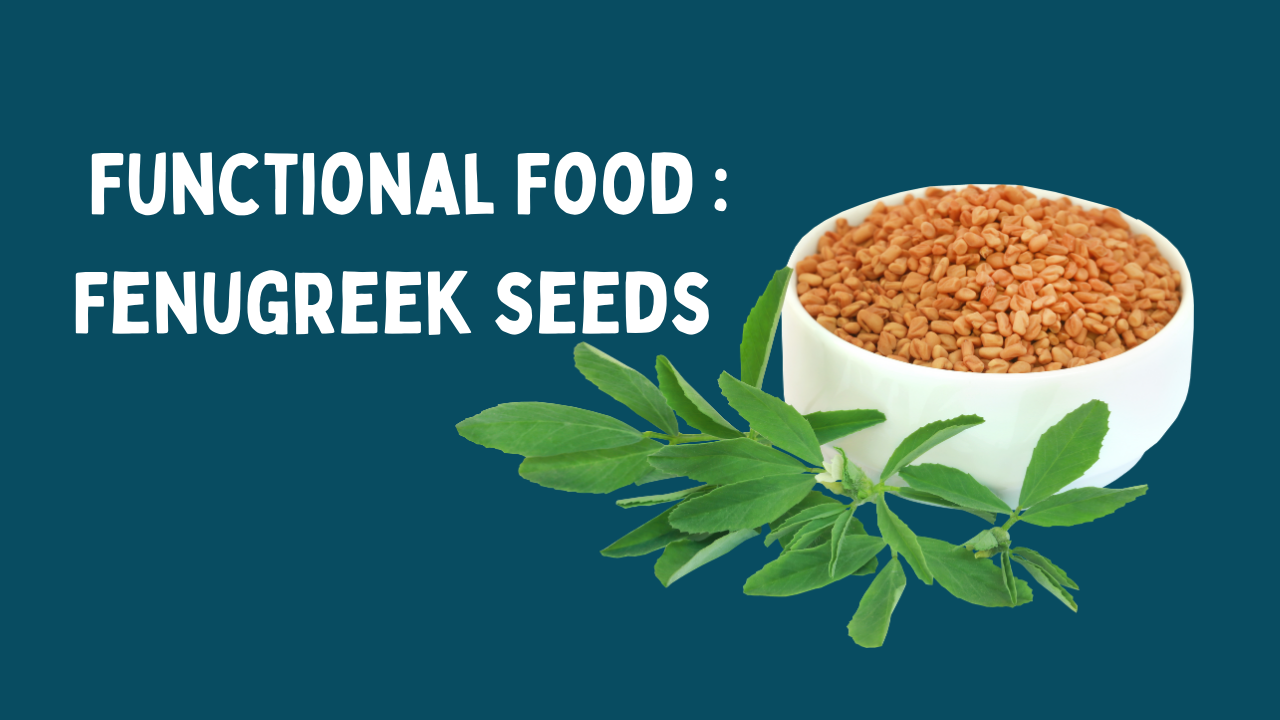
Fenugreek seeds, also known as methi in India, are small golden-brown seeds that have been used for thousands of years in Ayurvedic and traditional medicine. Native to the Mediterranean region, Southern Europe, and Western Asia, these seeds are now a staple in Indian and Middle Eastern cuisines.
While fenugreek adds a slightly bitter, maple-like flavor to dishes, its true power lies in its exceptional nutritional profile. These tiny seeds pack:
Nutritional Content (per 100g):
- Protein: 23g (muscle building, hormone production)
- Fiber: 25g (digestive health, cholesterol control)
- Iron: 33.5mg (187% daily value)
- Magnesium: 191mg (48% daily value)
- Manganese: 1.2mg (60% daily value)
Bioactive Compounds:
- Hydroxyisoleucine: An amino acid that stimulates insulin production
- Galactomannan: Soluble fiber that slows sugar absorption
- Diosgenin: Plant steroid that balances hormones
- Trigonelline: Alkaloid with neuroprotective properties
- Flavonoids & Saponins: Powerful antioxidants
These compounds work synergistically to provide the remarkable health benefits we'll explore in detail.
What are the 7 Science-Backed Benefits of Fenugreek?
1. Powerful Blood Sugar Control & Diabetes Management
The Problem: Over 77 million Indians have diabetes, and 136 million have prediabetes. Blood sugar management is critical to prevent complications.
How Fenugreek Helps:
Fenugreek is one of the most effective natural remedies for blood sugar control. Here's the science:
Mechanism 1: Slows Sugar Absorption
The galactomannan fiber in fenugreek forms a viscous gel in your digestive system. This gel slows the release of sugar into your bloodstream, preventing dangerous spikes after meals.
Mechanism 2: Increases Insulin Sensitivity
Hydroxyisoleucine, a unique amino acid found in fenugreek, stimulates insulin production from pancreatic beta cells. This means your body can process glucose more efficiently.
Mechanism 3: Improves Insulin Signaling
Fenugreek compounds activate AMPK (AMP-activated protein kinase), the body's master metabolic switch, improving how your cells respond to insulin.
Best For:
Best For:
- Type 2 diabetes patients (complement to medication)
- Prediabetes (HbA1c 5.7-6.4%)
- Insulin resistance
- Post-meal blood sugar spikes
- People with family history of diabetes
For comprehensive guidance on managing blood sugar through nutrition, see our diabetic diet plan with Indian foods.
Practical Application:
Take 1 teaspoon (5g) fenugreek seeds soaked overnight, consumed first thing in the morning, or 500mg extract before meals.

2. Transforms PCOS Symptoms & Hormone Balance
The Problem: 1 in 5 Indian women suffer from PCOS (Polycystic Ovary Syndrome), leading to irregular periods, acne, weight gain, and fertility issues.
How Fenugreek Helps:
PCOS is primarily driven by insulin resistance and hormonal imbalance. Fenugreek addresses both root causes.
Mechanism 1: Improves Insulin Sensitivity
80% of PCOS cases involve insulin resistance. By improving insulin function, fenugreek reduces the underlying driver of PCOS.
Mechanism 2: Balances Hormones
Diosgenin in fenugreek acts as a phytoestrogen, helping balance estrogen and progesterone levels. Trigonelline modulates androgen (male hormone) production.
Mechanism 3: Reduces Inflammation
PCOS involves chronic low-grade inflammation. Fenugreek's antioxidants (flavonoids, alkaloids, saponins) reduce inflammatory markers.
Symptoms Improved:
- ✅ Irregular menstrual cycles (regulates in 3-6 months)
- ✅ Elevated testosterone (reduces by 15-20%)
- ✅ Acne and skin issues (improves in 2-3 months)
- ✅ Hirsutism/excess hair growth (reduces over 6 months)
- ✅ Weight gain (aids 5-8% weight loss)
- ✅ Fertility issues (improves ovulation)
Practical Application:
For PCOS, take 1000mg fenugreek extract daily, preferably split into two 500mg doses (morning and evening). Combine with a complete PCOS diet plan and regular exercise for best results. Allow 3-6 months for significant hormonal changes.
3. Accelerates Weight Loss & Fat Burning
The Problem: 40% of urban Indians are overweight or obese. Traditional diets often fail because of constant hunger and cravings.
How Fenugreek Helps:
Fenugreek is a powerful weight loss aid through multiple mechanisms:
Mechanism 1: Suppresses Appetite
Galactomannan fiber expands in your stomach, creating a feeling of fullness that lasts 3-4 hours.
Mechanism 2: Delays Gastric Emptying
The viscous gel formed by fenugreek slows food movement through your digestive system. This prevents blood sugar crashes that trigger hunger signals.
Mechanism 3: Boosts Metabolism
Fenugreek increases thermogenesis (heat production), helping your body burn more calories at rest.
Mechanism 4: Reduces Fat Storage
By improving insulin sensitivity, fenugreek prevents excess glucose from being converted into fat. It also enhances fat oxidation (burning stored fat for energy).
Best For:
- People struggling with constant hunger
- Emotional eaters
- Those with insulin resistance-related weight gain
- Belly fat accumulation
- Post-pregnancy weight loss
Practical Application:
Take 500mg fenugreek extract 30 minutes before each main meal (3x daily) to maximize appetite suppression. Or consume fenugreek water first thing in the morning to boost metabolism.
4. Dramatically Lowers Cholesterol Levels
The Problem: High cholesterol affects 25-30% of Indian adults, increasing heart disease and stroke risk.
How Fenugreek Helps:
Mechanism 1: Binds Dietary Cholesterol
The soluble fiber in fenugreek binds to cholesterol in your intestines, preventing absorption. Bound cholesterol is excreted rather than entering your bloodstream.
Mechanism 2: Blocks Cholesterol Synthesis
Saponins in fenugreek inhibit cholesterol production in your liver, reducing total cholesterol from internal sources.
Mechanism 3: Increases HDL (Good Cholesterol)
Fenugreek doesn't just lower bad cholesterol - it actively raises protective HDL cholesterol by 5-8%.
Cholesterol Improvements:
- Total Cholesterol
- LDL (Bad) Cholesterol
- Triglycerides
- HDL (Good) Cholesterol
Best For:
- High cholesterol (>200 mg/dL)
- High LDL (>130 mg/dL)
- High triglycerides (>150 mg/dL)
- Metabolic syndrome
- Family history of heart disease
Practical Application:
Take 1-2g fenugreek powder (about 1/2 teaspoon) with breakfast and dinner. For severe hypercholesterolemia, consider 1000mg extract twice daily alongside a cholesterol-lowering diet. Monitor cholesterol levels after 8-12 weeks.
5. Reduces Inflammation & Chronic Pain
The Problem: Chronic inflammation underlies most modern diseases - diabetes, heart disease, arthritis, autoimmune conditions.
How Fenugreek Helps:
Mechanism 1: Antioxidant Power
Fenugreek contains powerful antioxidants (flavonoids, polyphenols, vitamin C, vitamin E) that neutralize free radicals causing cellular damage and inflammation.
Mechanism 2: Anti-inflammatory Compounds
Alkaloids and saponins in fenugreek directly inhibit inflammatory pathways (COX-2, NF-κB), similar to anti-inflammatory drugs but without side effects.
Mechanism 3: Reduces Oxidative Stress
By increasing your body's own antioxidant enzymes (superoxide dismutase, catalase, glutathione), fenugreek provides long-lasting protection.
Conditions Helped:
- Joint pain and arthritis
- Muscle pain and soreness
- Menstrual cramps
- Digestive inflammation
- Skin inflammation (acne, eczema)
- Exercise-induced inflammation
Practical Application:
For chronic pain, take 500mg fenugreek extract twice daily. For acute pain (menstrual cramps, muscle soreness), increase to 1000mg as needed.
6. Protects Heart Health & Lowers Blood Pressure
The Problem: Cardiovascular disease is the #1 killer in India, especially post-COVID. Hypertension affects 1 in 4 adults.
How Fenugreek Helps:
Mechanism 1: Vasodilation
Fenugreek increases nitric oxide production, relaxing blood vessel walls and improving blood flow. This directly lowers blood pressure.
Mechanism 2: Reduces Arterial Stiffness
By lowering cholesterol and inflammation, fenugreek prevents plaque buildup that makes arteries rigid and narrow.
Mechanism 3: Protects Heart Muscle
Antioxidants in fenugreek protect heart cells from oxidative damage, reducing risk of heart attacks.
Cardiovascular Benefits:
- Lowers blood pressure
- Reduces arterial stiffness
- Improves circulation
- Protects against blood clots
- Reduces heart attack risk
- Supports post-COVID recovery
Practical Application:
For blood pressure management, take 1g fenugreek powder daily, split into morning and evening doses. Continue prescription medications - fenugreek is complementary, not replacement.
7. Relieves Menstrual Cramps & PMS Symptoms
The Problem: 80% of women experience premenstrual syndrome (PMS), with many suffering debilitating cramps, mood swings, and fatigue.
How Fenugreek Helps:
| Aspect of PMS Support | How Fenugreek May Help |
|---|---|
| Mechanism 1: Hormone Balance | May support estrogen and progesterone balance via plant compounds like trigonelline and diosgenin |
| Mechanism 2: Anti-Spasmodic Effect | May help relax uterine muscles and reduce cramp intensity |
| Mechanism 3: Pain Relief | Possible anti-inflammatory effect influencing prostaglandin activity |
| Symptoms Potentially Improved | Severe cramps; Heavy bleeding; Mood swings; Bloating; Breast tenderness; Fatigue; Irregular cycles |
| Practical Application | 600mg extract 3x daily, starting 2-3 days before period and continuing through first 2-3 days |
🧬 Why DNA Testing is the Missing Piece for PCOS, Weight Loss & Diabetes
You just learned how fenugreek helps with blood sugar, PCOS, weight loss, cholesterol, and inflammation. But here's the question: Why do you have these issues in the first place?
The answer lies in your DNA.
The Problem with Generic Solutions
You've probably experienced this:
- Your friend loses 15 kg on keto. You gain weight.
- Your sister's PCOS improved with a low-carb diet. Yours got worse.
- Your colleague reversed prediabetes with intermittent fasting. Your blood sugar didn't budge.
Why? Because generic advice ignores a fundamental truth: Your genes determine how your body responds to food, stores fat, manages insulin, and balances hormones.
Fenugreek helps with symptoms. DNA testing reveals and addresses the root cause.
What Your DNA Reveals About YOUR Health Issues
- 🔬 Why You Have PCOS
- 💪 Why You're Struggling with Weight Loss
- 🩸 Reasons for Prediabetes or Insulin Resistance
- ❤️ Why You Have High Cholesterol
What DNA Testing Prevents:
- Years of trial and error
- Progression from prediabetes to diabetes
- Medication that could have been avoided
- Permanent metabolic damage
How unlock.fit's DNA Test Works
We Analyze 750,000+ Genes Related To:
- Metabolic Health
- Hormonal Health
- Nutrient Metabolism
- Inflammation
- Detoxification
- Stress Profile
- Fitness Profile
The unlock.fit Difference
Generic Nutrition:
- ❌ One-size-fits-all advice
- ❌ Trial and error (wastes years)
- ❌ Ignores your genetic reality
- ❌ Addresses symptoms, not root cause
- ❌ 95% failure rate
DNA-Based Nutrition:
- ✅ Personalized to YOUR genes
- ✅ Know what works BEFORE you start
- ✅ Works WITH your genetic strengths
- ✅ Addresses root metabolic dysfunction
- ✅ 90%+ success rate in our clients
Who Should Get DNA Testing?
You're a perfect candidate if:
- ✅ You've tried 3+ diets without lasting results
- ✅ You have PCOS, prediabetes, insulin resistance, or high cholesterol
- ✅ You want to prevent disease, not just treat symptoms
- ✅ You have family history of diabetes, heart disease, or metabolic conditions
- ✅ You're ready to invest in long-term health, not quick fixes
How to Use Fenugreek Seeds: Practical Guide
Fenugreek Water (Most Popular Method)
Basic Recipe:
- Soak 1 teaspoon (5g) fenugreek seeds in 1 cup water overnight (8-12 hours)
- Strain in the morning
- Drink on empty stomach
- Optional: Add honey and lemon for taste
Benefits: Simple, gentle on stomach, good for beginners
Best for: Blood sugar control, weight loss, general health
When: First thing in morning, 30 minutes before breakfast
Fenugreek Powder
How to make:
- Dry roast fenugreek seeds on low heat for 2-3 minutes
- Cool completely
- Grind to fine powder in mixer
- Store in airtight container (lasts 3 months)
How to use:
- Add 1/2 teaspoon to smoothies
- Mix into yogurt or buttermilk
- Sprinkle on salads
- Add to roti/chapati dough
- Mix with warm water and drink
Benefits: Concentrated, versatile, easy to measure
Best for: Adding to multiple meals daily
Fenugreek Tea
Recipe:
- Boil 1 cup water
- Add 1 teaspoon fenugreek seeds
- Simmer 3-5 minutes
- Strain and drink
- Optional: Add ginger, cinnamon, or honey
Benefits: Soothing, aids digestion
Best for: Digestive issues, inflammation, relaxation
When: After meals or before bed
Fenugreek in Cooking
Indian Recipes:
- Methi Paratha: Mix fenugreek leaves into whole wheat dough
- Methi Sabzi: Sauté fenugreek leaves with spices
- Dal Tadka: Add fenugreek seeds to tempering
- Methi Chicken/Paneer: Cook with fenugreek leaves
Tips:
- Seeds are bitter - use sparingly or soak first
- Fresh leaves (methi) are less bitter than seeds
- Roasting seeds reduces bitterness
Fenugreek Supplements
When to choose supplements:
- Need precise dosing
- Don't like bitter taste
- Want convenience
- Traveling frequently
Types available:
- Capsules: 500-1000mg standardized extract
- Powder: Concentrated, mix into drinks
- Liquid extract: Fast absorption
Quality markers:
- Look for "Trigonella foenum-graecum" on label
- Standardized to 50% saponins or 20% hydroxyisoleucine
- Third-party tested (USP, NSF, or similar)
- Avoid fillers, additives
Our recommendation: Start with natural seeds/powder for first month. If inconvenient or no results, switch to quality supplement.
Dosage Recommendations by Health Goal
| Health Goal | Recommended Dosage | Form | Timing | Duration to See Results |
|---|---|---|---|---|
| Blood Sugar Control | 500-1000mg 2x daily | Extract or 1-2 tsp seeds | Before meals | 2-4 weeks |
| PCOS | 1000mg daily | Extract preferred | Morning | 3-6 months |
| Weight Loss | 500mg 3x daily | Extract | 30 min before meals | 4-8 weeks |
| Cholesterol | 1-2g powder 2x daily | Powder or extract | With breakfast & dinner | 8-12 weeks |
| Inflammation | 500mg 2x daily | Extract | Morning & evening | 2-4 weeks |
| Blood Pressure | 1g powder daily | Powder | Split morning & evening | 4-8 weeks |
| Menstrual Cramps | 600mg 3x daily | Extract | Start 2-3 days before period | Immediate (same cycle) |
General Guidelines:
- Maintenance dose: 500mg daily or 1 tsp seeds soaked overnight
- Therapeutic dose: 1000-2000mg daily in divided doses
- Maximum safe dose: 2500mg daily (don't exceed)
- Start low: Begin with 250-500mg, increase gradually
Side Effects & Safety Precautions
While fenugreek is generally safe, be aware of these considerations:
Common Side Effects (Usually Mild)
- Digestive Issues (10-15% of users):
- Gas and bloating
- Diarrhea (especially with high doses)
- Stomach upset
- Maple Syrup Odor:
- Sweat and urine may smell like maple syrup
- Harmless but can be unpleasant
- Occurs at doses >1500mg daily
- Hypoglycemia Risk:
- Can lower blood sugar significantly
- Risk if taking diabetes medication
Solution: Start with low doses, take with food, increase gradually
Solution: Lower dose or accept as normal
Solution: Monitor blood sugar closely, adjust medication with doctor
Serious Precautions (Consult Doctor)
- ❌ DO NOT use fenugreek if you:
- Are pregnant (can stimulate uterine contractions)
- Have bleeding disorders (may slow blood clotting)
- Are scheduled for surgery (stop 2 weeks before)
- Are allergic to legumes (soy, peanuts, chickpeas)
- Have hormone-sensitive cancers (breast, uterine, ovarian)
- ⚠️ Use with caution if you:
- Take diabetes medications:
- Fenugreek + diabetes drugs can cause dangerous hypoglycemia
- Monitor blood sugar 4x daily initially
- Work with doctor to adjust medication doses
- Take blood thinners:
- Warfarin, aspirin, clopidogrel
- Fenugreek may increase bleeding risk
- Regular blood clotting tests needed
- Take thyroid medications:
- Fenugreek may interfere with absorption
- Take at least 4 hours apart
- Are breastfeeding:
- Generally safe and may increase milk production
- But consult pediatrician first
When to Take Fenugreek: Timing Matters
Best Time for Different Goals
- Morning (Empty Stomach):
- Best for: Blood sugar control, weight loss, metabolism boost
- How: Fenugreek water (soaked overnight) first thing
- Why: Maximum absorption, sets metabolic tone for day
- Wait: 30 minutes before eating
- Before Meals (30 minutes):
- Best for: Weight loss, appetite control, blood sugar spikes
- How: 500mg extract with water
- Why: Gives fiber time to expand, slows digestion
- Applies to: All three main meals
- With Meals:
- Best for: Cholesterol control, digestive health
- How: Fenugreek powder mixed in food or taken as supplement
- Why: Binds to dietary cholesterol, aids digestion
- Before Bed:
- Best for: Digestive comfort, acid reflux, overnight blood sugar control
- How: Fenugreek tea or soaked seeds
- Why: Soothes digestive system, prevents morning glucose spikes
- During Menstruation:
- Best for: Menstrual cramps, PMS
- How: 600mg extract 3x daily
- When: Start 2-3 days before period, continue through heavy days
Frequently Asked Questions
Final Takeaway
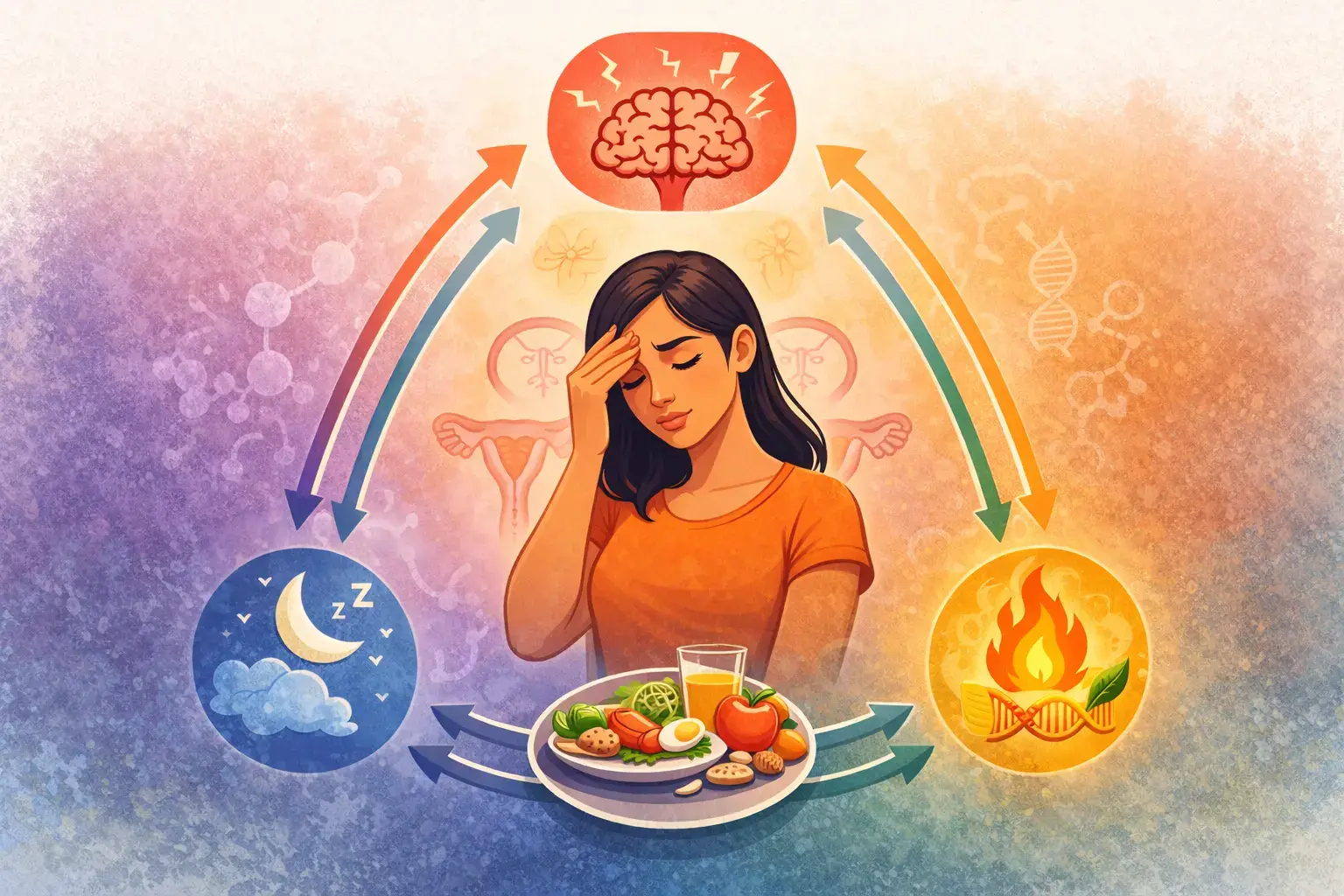
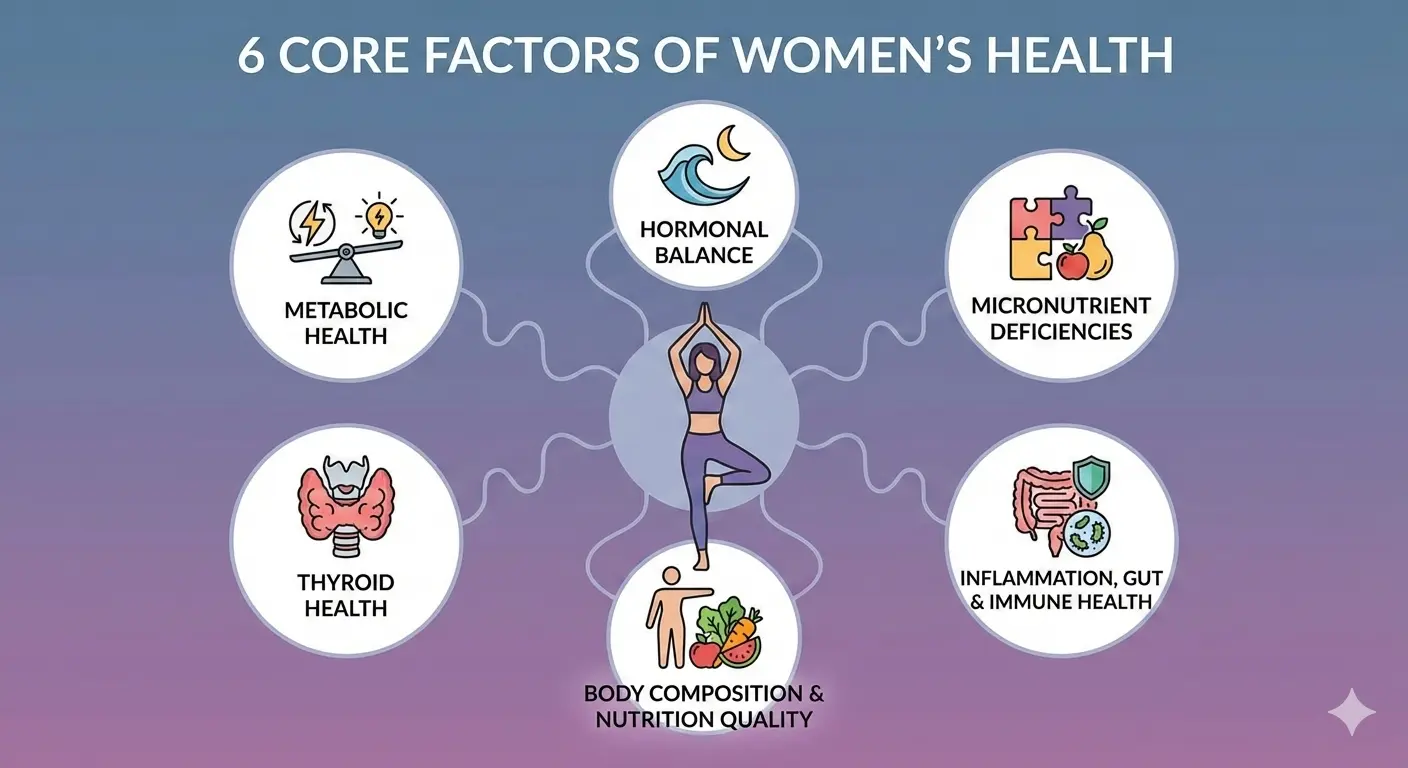
If stress, sleep, or metabolic concerns feel persistent, a personalised approach can help. A free consultation with unlock.fit can help you understand how your hormones, nutrition, and lifestyle interact — including insights from DNA and blood markers — to support long-term metabolic health.

Nupur Sharma
Nupur Sharma is a Sports Nutritionist. She has a scientific approach towards nutrition. She passionately unfolds latent aspects linking nutritional science and sports performance so that athletes and fitness enthusiasts can achieve their highest potential. She holds a Master’s degree in Sports Nutrition and Bachelor’s degree in Food, Nutrition and Dietetics.