


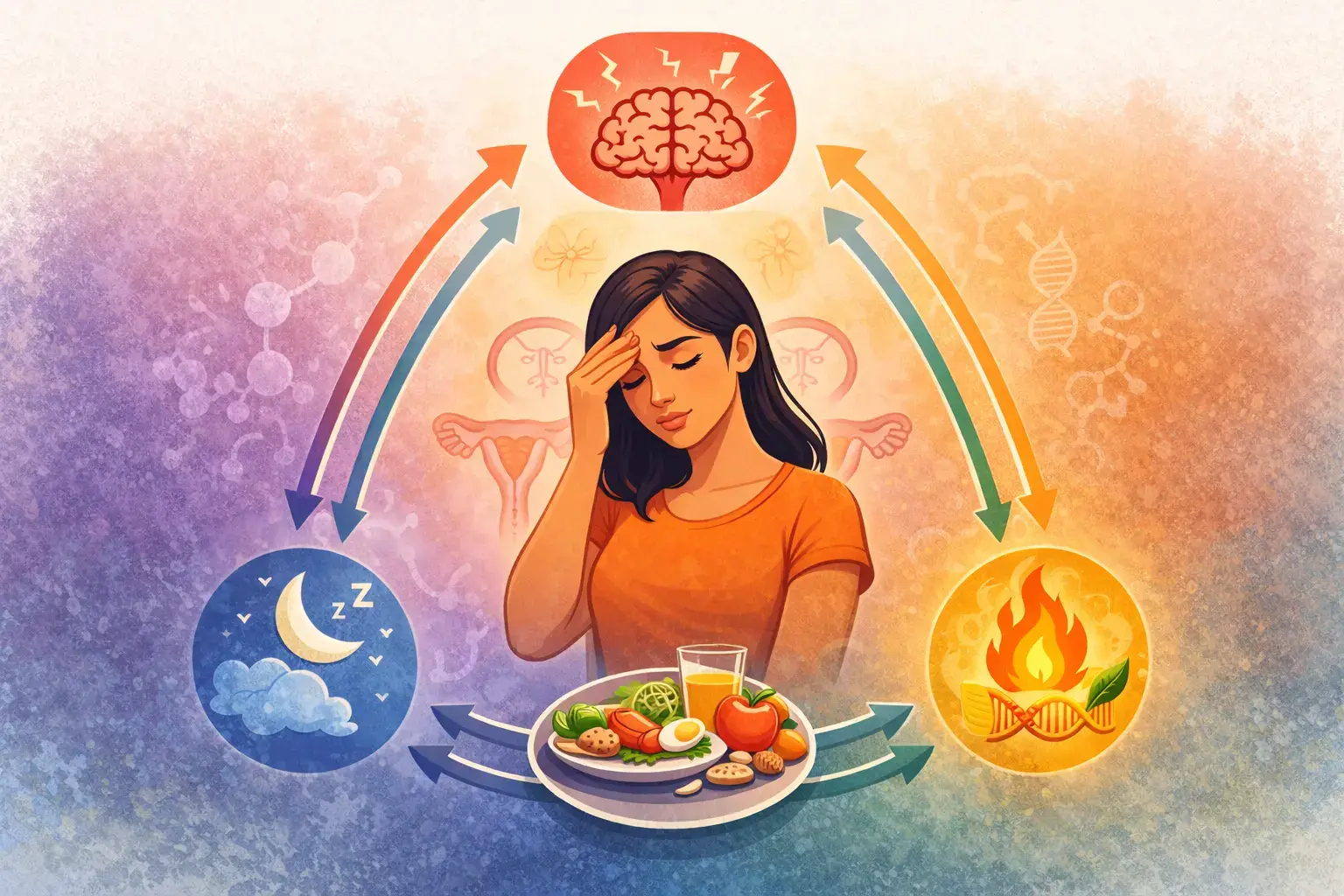
As a clinical dietitian, I often see women who feel like they are doing "everything right" yet still struggle with stubborn weight, constant exhaustion, and a sense that their bodies are working against them. The missing piece of the puzzle is usually the Stress–Hormone–Metabolism Triangle.
Today, we are going to dive deep into the clinical research to understand how stress and sleep are not just "lifestyle factors” they are the biological master switches of your metabolism.
1. The Stress–Hormone–Metabolism Triangle
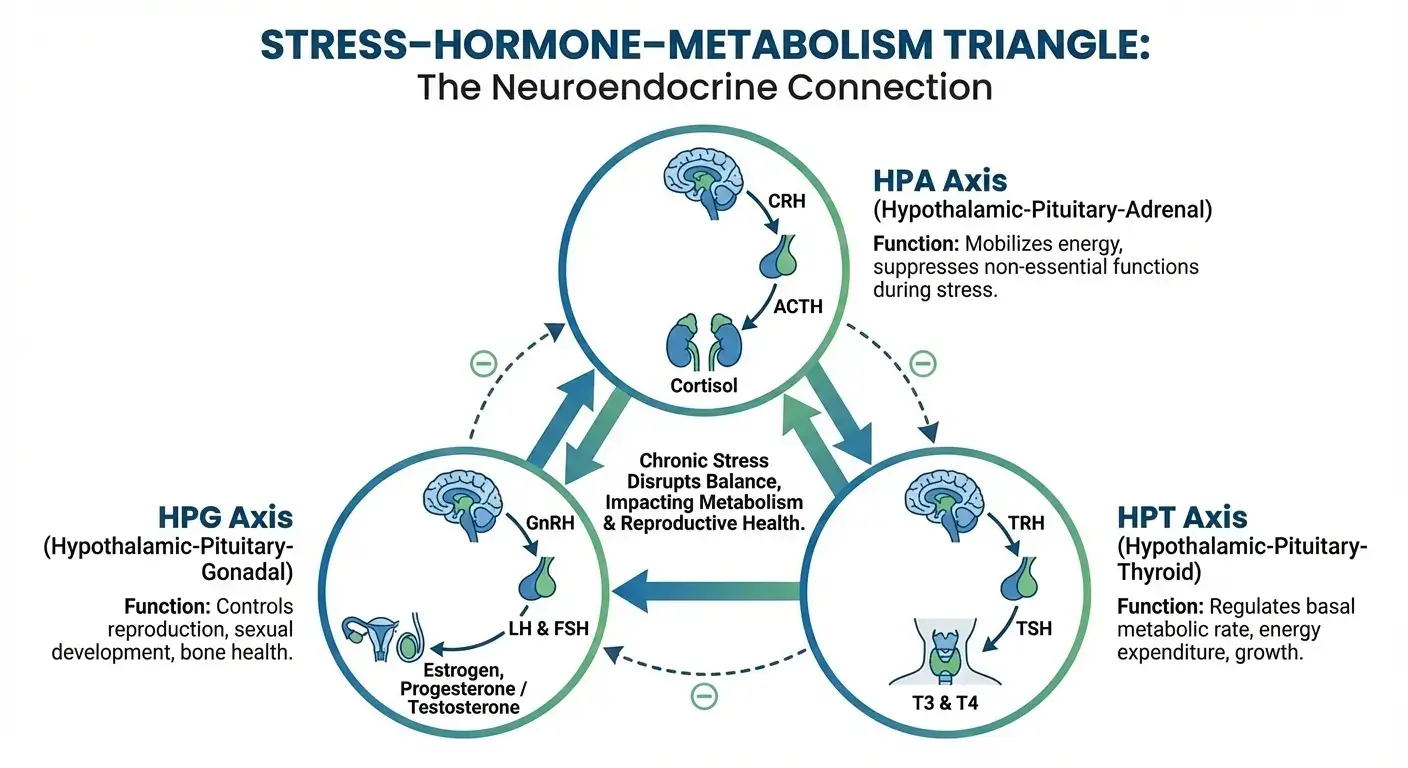
Your metabolism is not a simple calculator of "calories in” versus calories out." Instead, it is a delicate ecosystem governed by the endocrine system with a complex network of glands that coordinate physiological processes through hormone secretion.
At the heart of this system is the interplay between three major "axes" or pathways:
- The hypothalamic pituitary adrenal (HPA Axis): Controls your stress response via cortisol.
- The hypothalamic pituitary gonadal (HPG Axis): Manages sex hormones like estrogen and testosterone.
- The hypothalamic pituitary thyroid (HPT Axis): Regulates your thyroid hormones, the primary drivers of metabolic rate.
When one part of this triangle is disrupted, such as through chronic stress, the others shift in response. For example, sleep disorders activate the HPA axis, leading to elevated cortisol, which can then interfere with thyroid function and insulin sensitivity. This triangle determines how you absorb, store, and utilize nutrients.
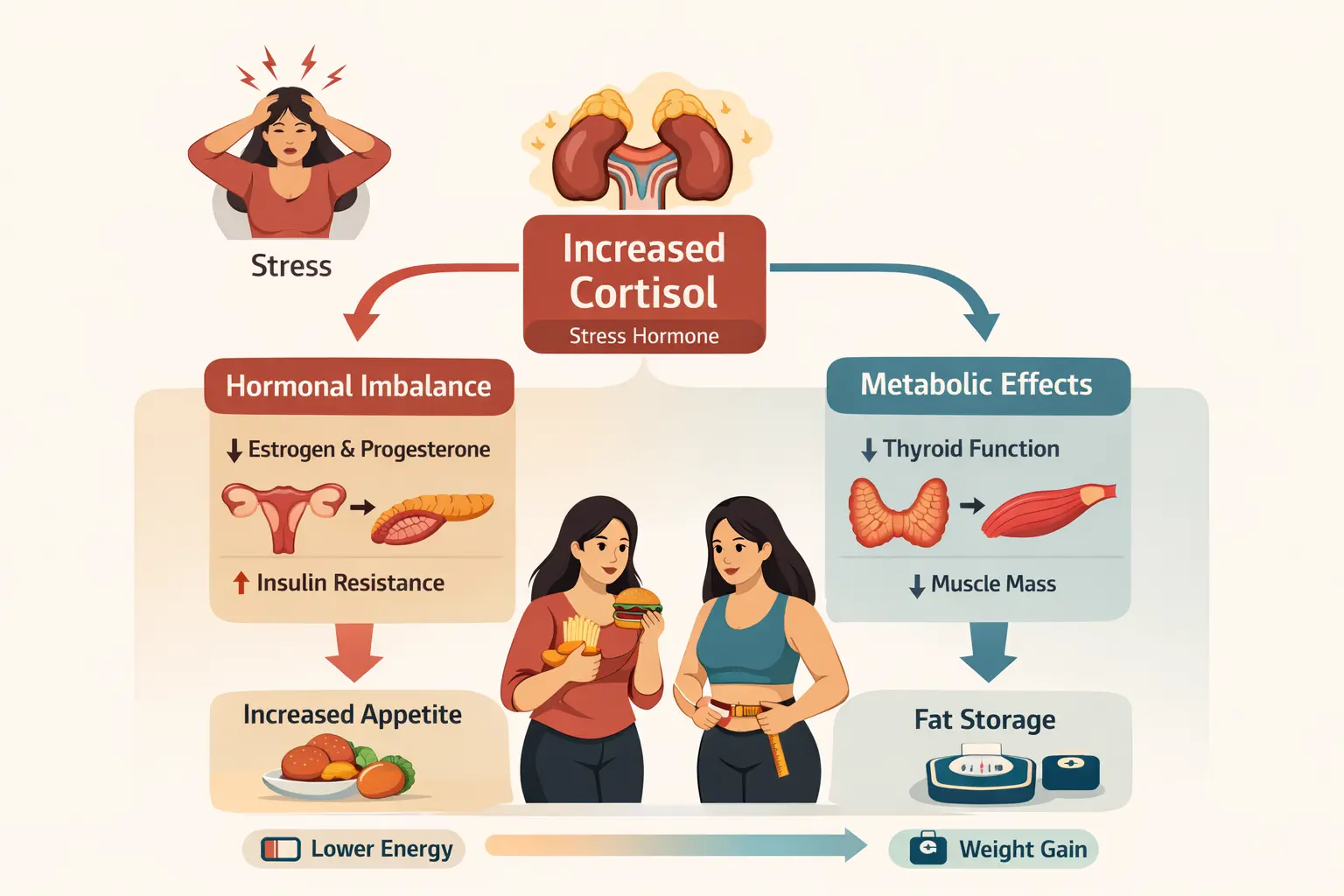
Chronic stress elevates cortisol, disrupting estrogen, progesterone, and thyroid hormones. Women’s Health Explained: 6 Core Factors covers how these hormones interact with metabolism.
2. The Stress Impact: Why Women Experience Stress Differently
Chronic stress does more than make you feel overwhelmed; it fundamentally changes your body composition and hormonal profile.
Cortisol and "Belly Fat"
When you encounter stress, your brain's hypothalamus and pituitary gland signal the adrenal glands to release cortisol. While this "fight or flight" response is vital for survival, chronic elevation leads to specific metabolic consequences for women. Cortisol stimulates your appetite, particularly high-calorie "comfort foods," and influences where your body stores that energy. Scientifically, it promotes fat storage in the abdominal area, contributing to what is often called "visceral fat."
Hormonal Disruptions
In women, obesity and high stress can lead to hyperandrogenemia (elevated androgens like testosterone), even without a clinical diagnosis of PCOS. This hormonal imbalance can result in irregular menstrual cycles and increased miscarriage rates.
3. The Sleep-Metabolism Connection: The Nightly Reset
Adequate sleep is a fundamental pillar of human health, but modern demands have led to a "sleep debt" that wreaks havoc on insulin and hunger regulation.
Poor sleep lowers melatonin and growth hormone while raising cortisol. Vitamin D deficiency often compounds this—learn more in our guide to vitamin D deficiency symptoms and hormonal fatigue.
The Hunger Hormones: Ghrelin and Leptin
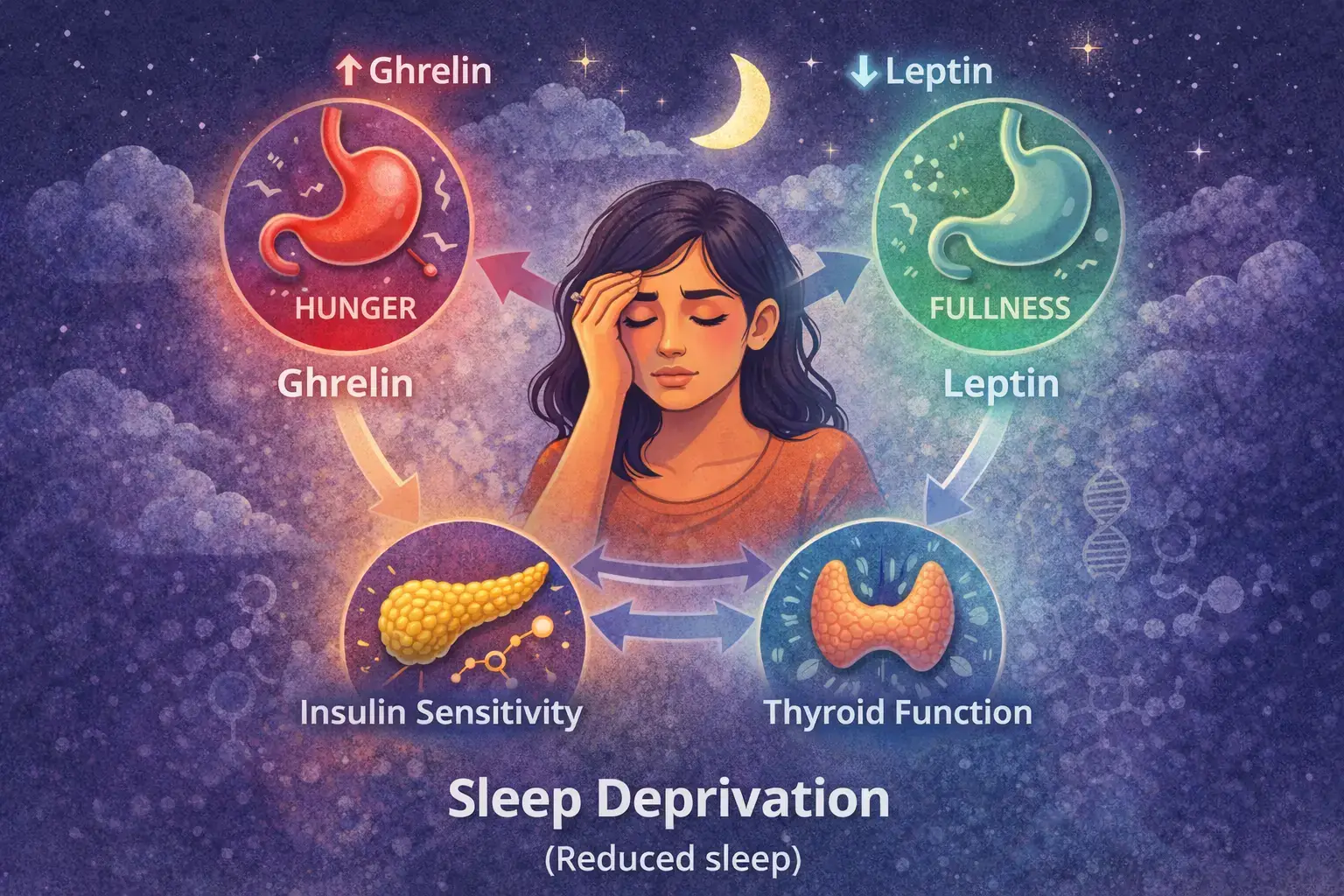
Sleep deprivation directly impacts your "hunger hormones." It suppresses leptin, the hormone produced by white adipose tissue that tells your brain you are full, and increases ghrelin, which stimulates appetite. This shift often leads to cravings for high-calorie, high-carbohydrate foods.
Insulin and Thyroid Function
Even a single night of sleep restriction can significantly decrease insulin sensitivity, meaning your body has to produce more insulin to manage blood sugar. Furthermore, sleep architecture is tied to thyroid health; NREM (non-rapid eye movement) sleep typically suppresses TSH (thyroid-stimulating hormone) secretion, but disrupted sleep can lead to thyroid dysfunction, which further complicates weight management by impacting energy expenditure.
4. Signs of a Stressed Metabolism
How do you know if your "Stress-Hormone-Metabolism Triangle" is out of balance? Look for these clinical indicators:
- Constant Fatigue: Feeling tired even after a full night's sleep or experiencing "weariness" throughout the day.
- Sugar Cravings: An intense drive for high-sugar or high-fat foods, often triggered by cortisol spikes.
- Weight Resistance: Difficulty losing weight, particularly around the midsection, despite dietary changes.
- Brain Fog: Psychological distress and impaired cognitive function or memory consolidation due to high cortisol and poor sleep.
5. Nutrition Strategies for Stability
To reset your metabolism, we must focus on blood sugar stability to reduce the burden on your insulin and cortisol levels.
The Power of Balanced Meals
A structured dietary pattern, such as the Mediterranean Diet (MedDiet), has been shown to be more effective at improving insulin resistance than standard low-energy diets. Key components include:
- Complex Carbs: Focus on whole grain cereals (at least 5 servings a day) and legumes.
- Protein: Lean proteins and plant-based proteins are associated with better insulin secretion and lower IGF-1 synthesis.
- Omega-3s and Antioxidants: Found in fish, nuts, extra-virgin olive oil, and fresh fruits; these help reduce inflammation and oxidative stress that damage metabolic health.
- Magnesium-Rich Foods: Magnesium is essential for supporting the body's response to stress.
What to Limit
Reducing added sugars and caffeine is vital, as both can artificially increase cortisol levels and disrupt sleep–wake cycles.
Key nutrients like magnesium and B vitamins support adrenal/thyroid function. Stress often worsens hypothyroidism symptoms, creating a fatigue cycle.
6. DNA and Blood Insights
Genetics and Metabolism
Your unique genetic makeup influences how you store fat. Specific markers like ChREBP and SREBP-1 are involved in fat synthesis and storage. Specific genetic markers for caffeine metabolism or stress sensitivity can be helpful in understanding stress management.
Your genes influence stress sensitivity. Please also read our blog on nutrigenomics for women’s hormonal balance.
Essential Blood Work
To get a clear picture of your metabolic health, I recommend a comprehensive panel including:
- Thyroid Panel: TSH, T3, and T4 to monitor the HPT axis.
- HbA1c: To assess average blood sugar levels over several months.
- Vitamin D and B12: Essential for metabolic health; B12 is especially important if you are following a plant-based diet.
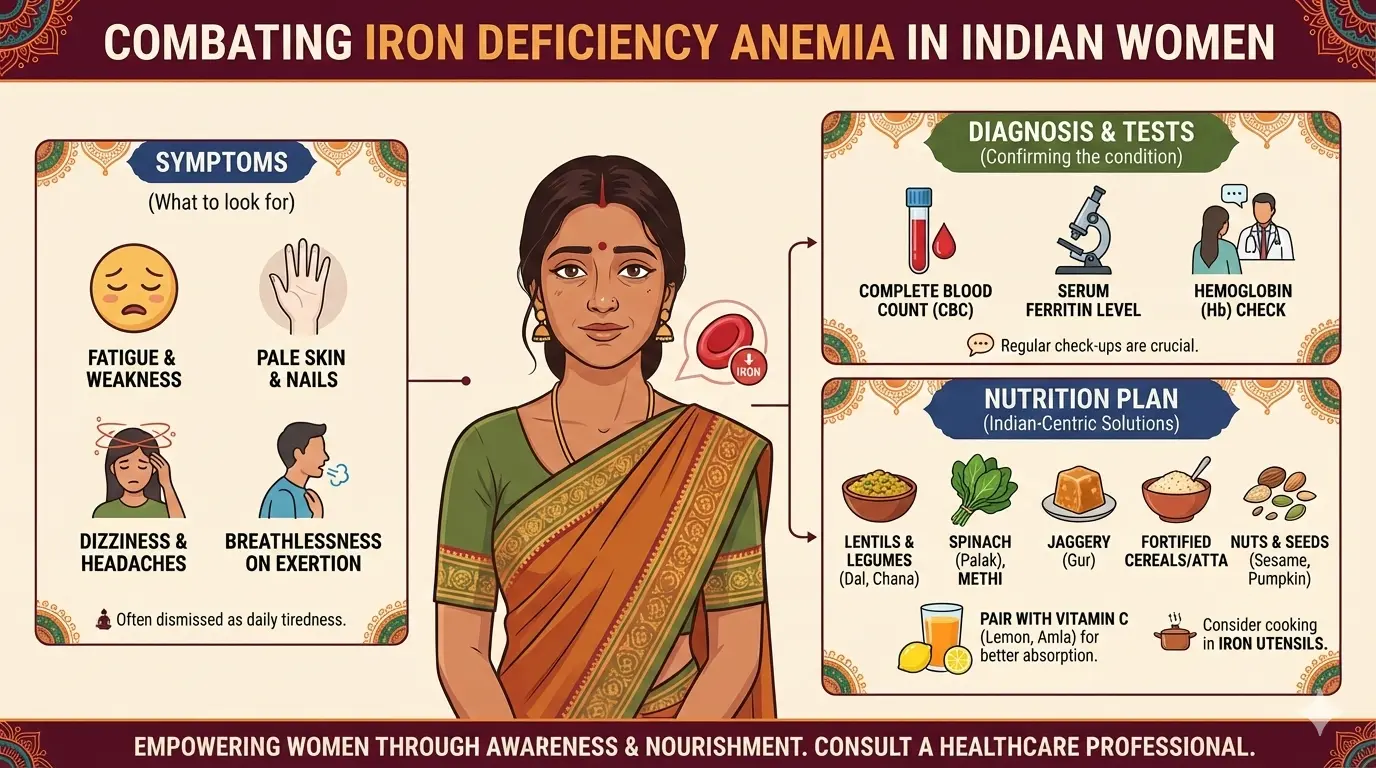
- Iron: Adequate iron is necessary to preserve optimal thyroid hormone activity.
We have covered necessary blood tests for metabolic health in our blog 11 essential blood tests for metabolic health.
7. Lifestyle Interventions: Actionable Steps
Metabolic health is not built in the kitchen alone.
- Movement: Aim for 30 minutes of moderate intensity exercise most days. A mix of aerobic and strength training helps maintain muscle mass, which is more metabolically active than fat. Practices like yoga and walking can significantly improve stress levels.
- Sleep Hygiene: Maintain a consistent sleep schedule (7–8 hours), even on weekends. Limit the use of electronic devices before bed to support natural melatonin production.
- Stress Practices: Non-pharmacological treatments like mindfulness meditation, deep breathing, and journaling can modulate your antioxidant capacity and improve mental well-being.
8. FAQs Derived from Clinical Research
Q.1: Can just one night of bad sleep really affect my weight?
Ans: Yes. Clinical trials show that a single night of sleep deprivation can impair fasting insulin sensitivity and increase peripheral insulin resistance.Q.2: Why do I crave junk food specifically when I'm stressed?
A: Cortisol stimulates the appetite for high-calorie "comfort" foods. Additionally, sleep restriction activates the endocannabinoid system, which enhances the palatability of sweet and fatty foods.
Q.3: Does the Mediterranean Diet help with more than just heart health?
Ans: Absolutely. Research indicates a structured Mediterranean Diet intervention can significantly reduce maternal anxiety and stress while improving sleep quality and well-being.Q.4: Is "adrenal fatigue" a real reason for my weight gain?
Ans: While "adrenal fatigue" is not the scientific term used in research papers, the research identifies hypothalamic pituitary adrenal (HPA axis) dysregulation as a key factor. Chronic stress leads to consistently elevated cortisol, which triggers muscle loss, increased appetite, and abdominal fat storage.
Final Takeaway
Understanding hormonal imbalance in women, especially how stress, poor sleep, nutrition, and lifestyle affect metabolism, is crucial for long-term health. Since nutritional needs and hormonal responses vary widely among individuals, exploring DNA-based personalised nutrition can offer deeper insights into your unique metabolic profile. This knowledge helps tailor strategies that support your body's balance and overall well-being. Consider booking a free consultation with unlock.fit to explore your personalised metabolic health.

Tavleen
Meet Tavleen, a "human coder" driven by an insatiable passion for genetics that's anything but ordinary. She believes that real change starts at the roots of who we are, and that's precisely why she delved headfirst into the intricate world of Nutrigenomics during her pursuit of a master's degree. But Tavleen's journey doesn't stop there – she's a biohacker extraordinaire, dedicated to unraveling the secrets of how the food we consume can spark astonishing transformations within the tiniest corners of our bodies. Get ready to embark on a captivating exploration of the intersection between genetics, nutrition, and the endless possibilities it holds. Tavleen's unique perspective promises to shed light on the awe-inspiring world of personalised health, and you won't want to miss a single word of her exciting discoveries.