


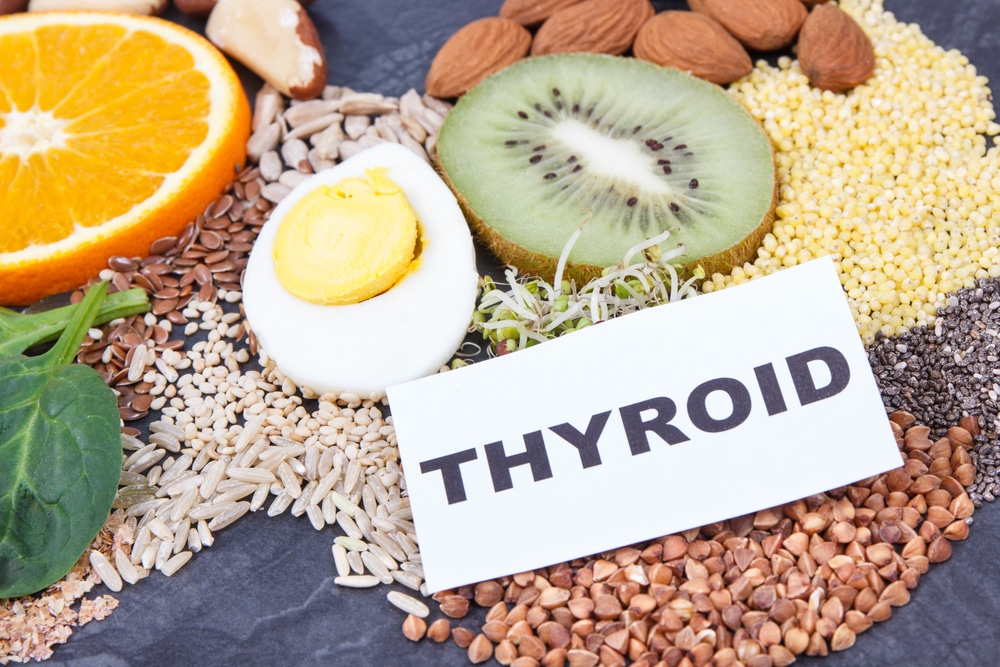
Hypothyroidism and Nutrition: How Diet and Lifestyle Support Thyroid Health
Hypothyroidism, a condition marked by an underactive thyroid gland, can have wide-ranging effects on overall health. The thyroid plays a central role in regulating metabolism, energy production, heart function, temperature control, and hormonal balance. When thyroid hormone production slows down, many of the body’s systems are affected, often silently at first.
This guide explains what hypothyroidism is, how nutrition influences thyroid function, and which nutrients and lifestyle factors can help support metabolic and hormonal balance. The information is grounded in current scientific understanding and is intended to build awareness and empower informed health decisions.
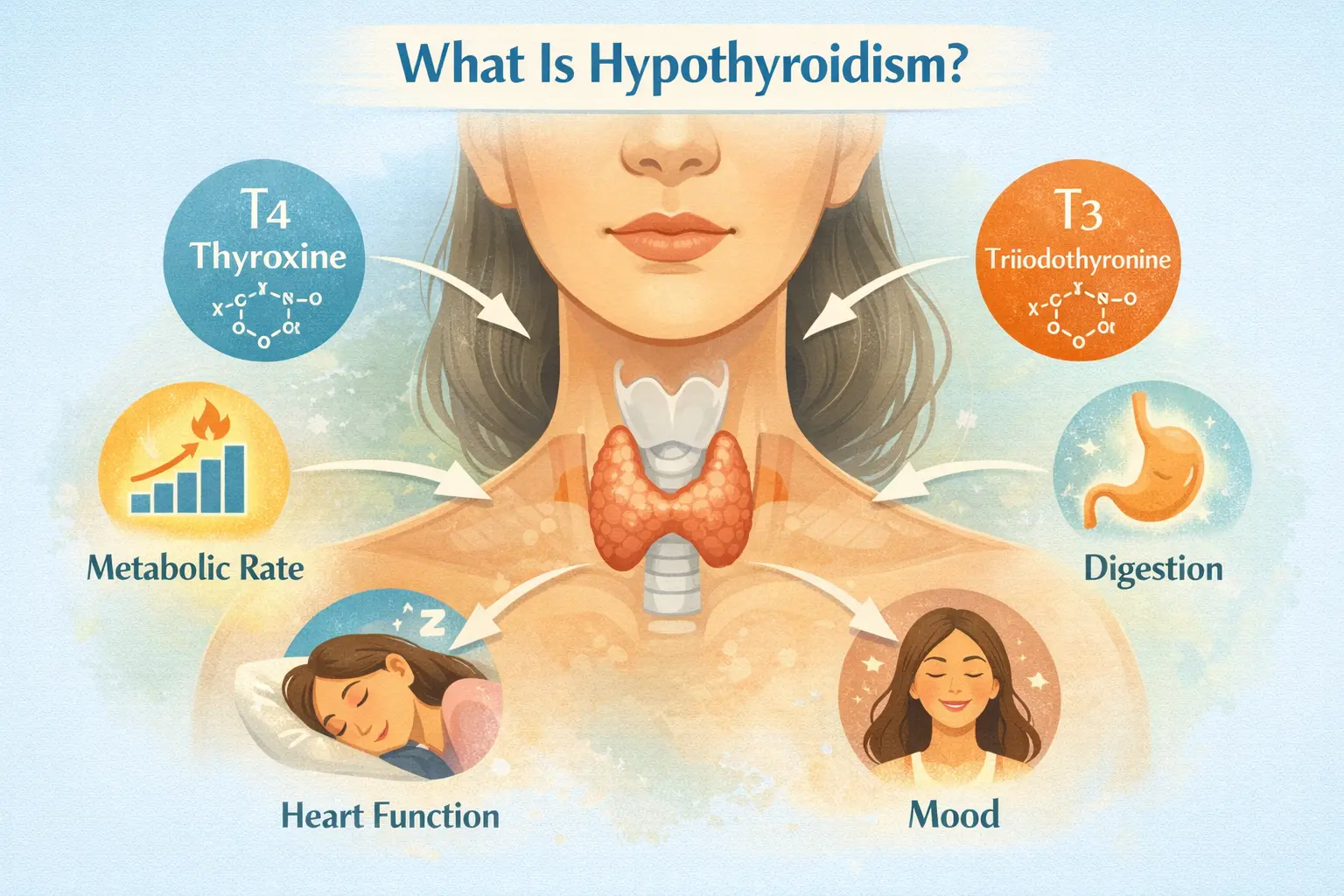
What Is Hypothyroidism?
The thyroid gland is a small, butterfly-shaped organ located at the base of the neck. It produces two key hormones—thyroxine (T4) and triiodothyronine (T3)—that regulate metabolic rate, energy expenditure, heart function, digestion, and even mood.
Hypothyroidism occurs when the thyroid does not produce adequate amounts of these hormones. Common symptoms include unexplained weight gain, persistent fatigue, cold intolerance, dry skin, hair thinning, constipation, and low mood. In many individuals, symptoms develop gradually and may be mistaken for stress or aging.
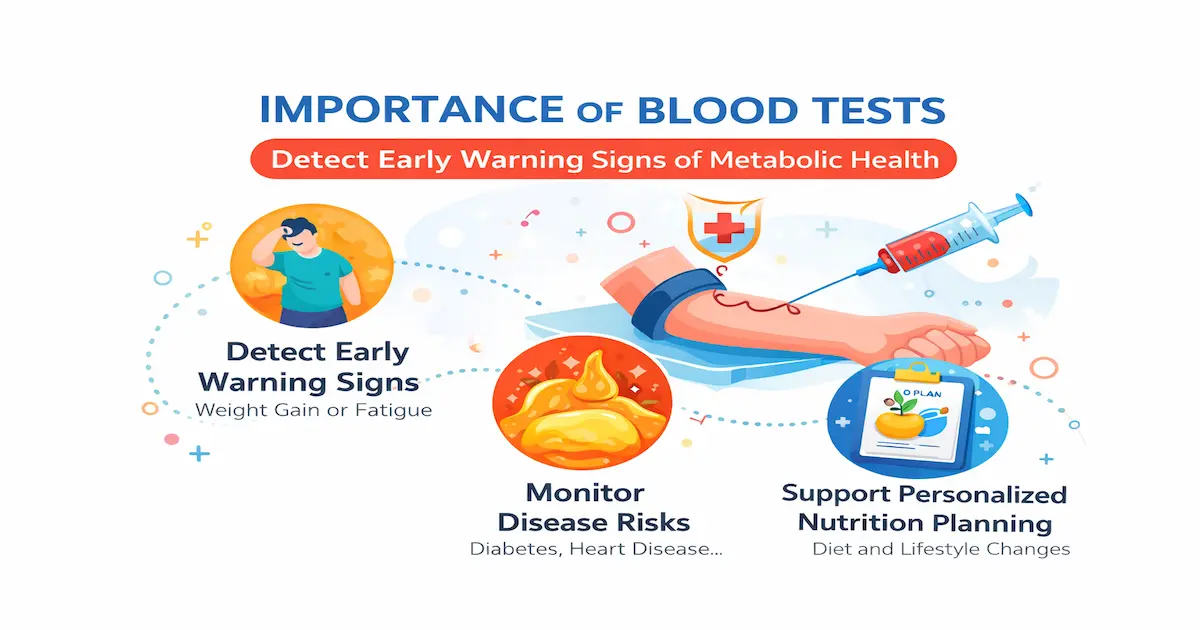
Diagnosis is typically confirmed through blood tests such as TSH, free T4, and in some cases thyroid antibodies. Early detection is important, as untreated hypothyroidism can contribute to metabolic slowing, insulin resistance, and cardiovascular risk over time.
Symptoms of Hypothyroidism
Hypothyroidism can present with a wide range of symptoms that often develop gradually. Because these symptoms are non-specific, many individuals may attribute them to stress, aging, or lifestyle factors, leading to delayed diagnosis.
Common symptoms of hypothyroidism include:
- Persistent fatigue and low energy levels
- Unexplained weight gain or difficulty losing weight
- Increased sensitivity to cold
- Dry skin, brittle nails, and hair thinning or hair fall
- Constipation and slowed digestion
- Puffiness of the face, especially around the eyes
- Low mood, brain fog, or depressive symptoms
- Irregular menstrual cycles or fertility challenges in women
- Muscle weakness, joint pain, or stiffness
- Slow heart rate and reduced exercise tolerance
Not everyone experiences all symptoms, and their severity can vary depending on the degree of thyroid hormone deficiency, nutritional status, and overall metabolic health. Early recognition of these signs, followed by appropriate blood testing, allows for timely intervention and better long-term outcomes.
The Nutrition–Thyroid Connection
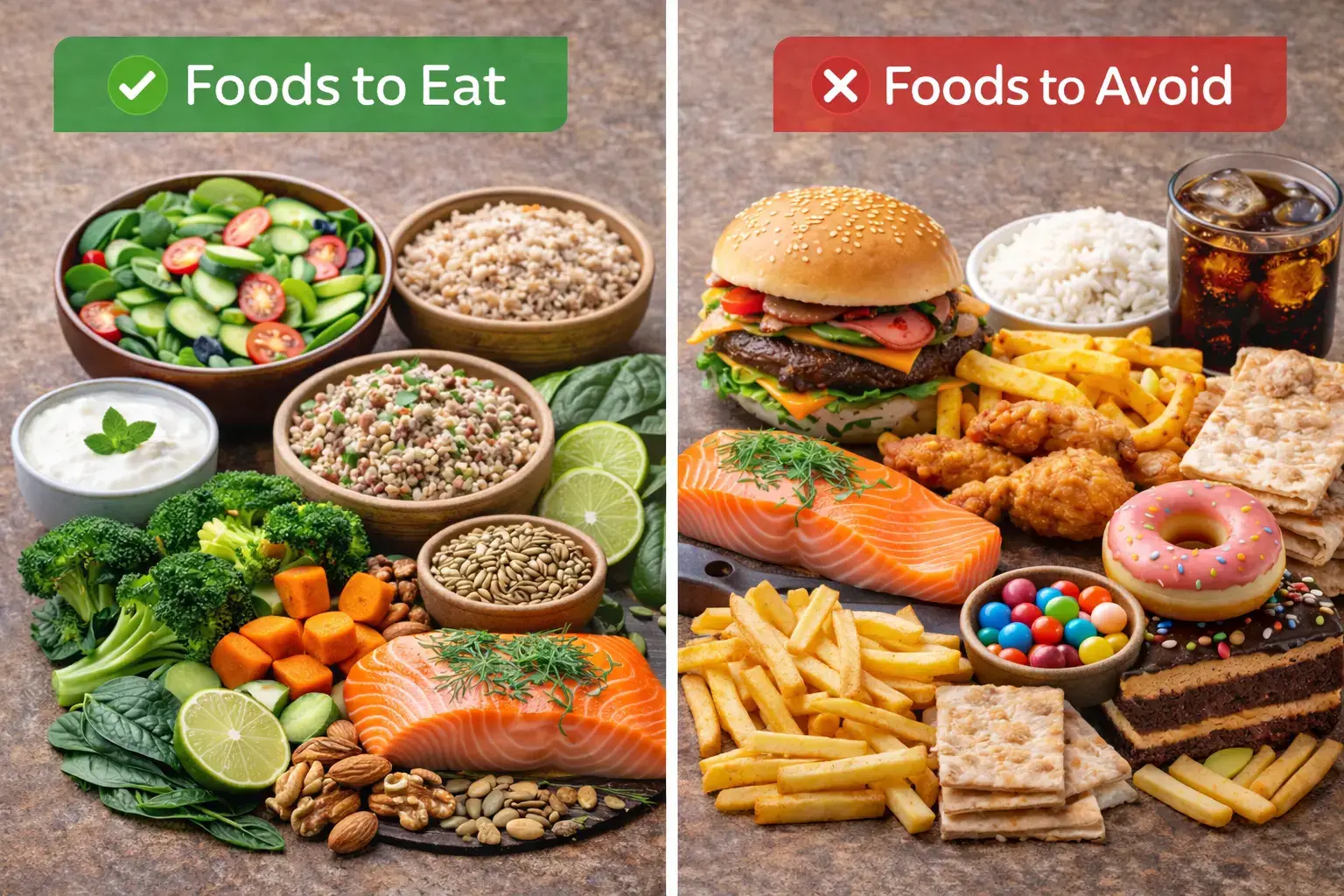
Thyroid hormone production and activation depend on the availability of specific nutrients. Deficiencies in key vitamins and minerals can impair hormone synthesis, conversion of T4 to active T3, and thyroid receptor sensitivity. Nutrition therefore plays a supportive role alongside medical management in maintaining optimal thyroid and metabolic health.
Key Nutrients That Support Thyroid Function
Selenium
The thyroid gland has one of the highest concentrations of selenium in the body. Selenium is required for enzymes that convert inactive T4 into active T3 and also protects the thyroid from oxidative stress. Low selenium levels have been associated with impaired thyroid hormone metabolism and increased autoimmune activity.
Food sources: Brazil nuts (in small amounts), fish such as salmon and tuna, eggs, poultry, mushrooms, and legumes.
Iodine
Iodine is an essential building block of thyroid hormones. Without adequate iodine intake, the body cannot produce sufficient T3 and T4. While iodine deficiency remains a concern in some populations, excessive iodine intake can also disrupt thyroid function, especially in autoimmune thyroid conditions. Balance is key.
Food sources: Iodized salt, seafood, fish, eggs, and dairy (if tolerated).
Zinc
Zinc plays an important role in thyroid hormone synthesis, regulation of TSH, and immune function. Inadequate zinc intake may impair conversion of T4 to T3.
Food sources: Oysters, meat, poultry, lentils, chickpeas, seeds, and whole grains.
Iron
Iron is required for thyroid hormone production and oxygen delivery to tissues. Iron deficiency, particularly common in women, can worsen fatigue and impair thyroid hormone synthesis. In some cases, correcting iron deficiency alone may improve thyroid markers and symptoms.
Food sources: Lean meats, poultry, legumes, spinach, and other dark leafy greens.
Vitamin A
Vitamin A supports thyroid hormone receptor function and helps regulate TSH secretion. It also plays a role in immune modulation and inflammation control.
Food sources: Carrots, pumpkin, sweet potatoes, leafy greens.
Omega-3 Fatty Acids
Chronic low-grade inflammation can interfere with thyroid hormone signaling. Omega-3 fatty acids help reduce inflammation and support overall metabolic health.
Food sources: Fatty fish, flaxseeds, chia seeds, and walnuts.
Vitamin D
Vitamin D deficiency is common in individuals with hypothyroidism and has been linked to autoimmune thyroid conditions, insulin resistance, and fatigue. Maintaining adequate vitamin D levels may support immune balance, muscle function, and metabolic health.
Vitamin D deficiency is commonly seen in individuals with hypothyroidism and can further worsen fatigue, inflammation, and metabolic imbalance. Low vitamin D levels have also been linked to autoimmune thyroid conditions and reduced insulin sensitivity. Addressing vitamin D deficiency is therefore an important part of supporting thyroid health and improving overall metabolic function.
Sources: Sunlight exposure, oily fish, egg yolks, and supplementation when required.
Goitrogens
Goitrogen-containing foods such as cabbage, cauliflower, broccoli, kale, and soy contain compounds that may interfere with thyroid hormone production when consumed in large amounts, particularly in raw form. However, these foods are safe and nutritious when cooked and eaten in moderation.
Medications
Equally important is the timing of thyroid medication. Levothyroxine should be taken on an empty stomach with water, ideally in the morning. Nutrients such as iron, calcium, soy, high-fiber foods, and nutrient supplements can reduce medication absorption and should be consumed at least 3–4 hours after taking thyroid medication to ensure optimal effectiveness.
Hypothyroidism, Metabolism, and Insulin Resistance
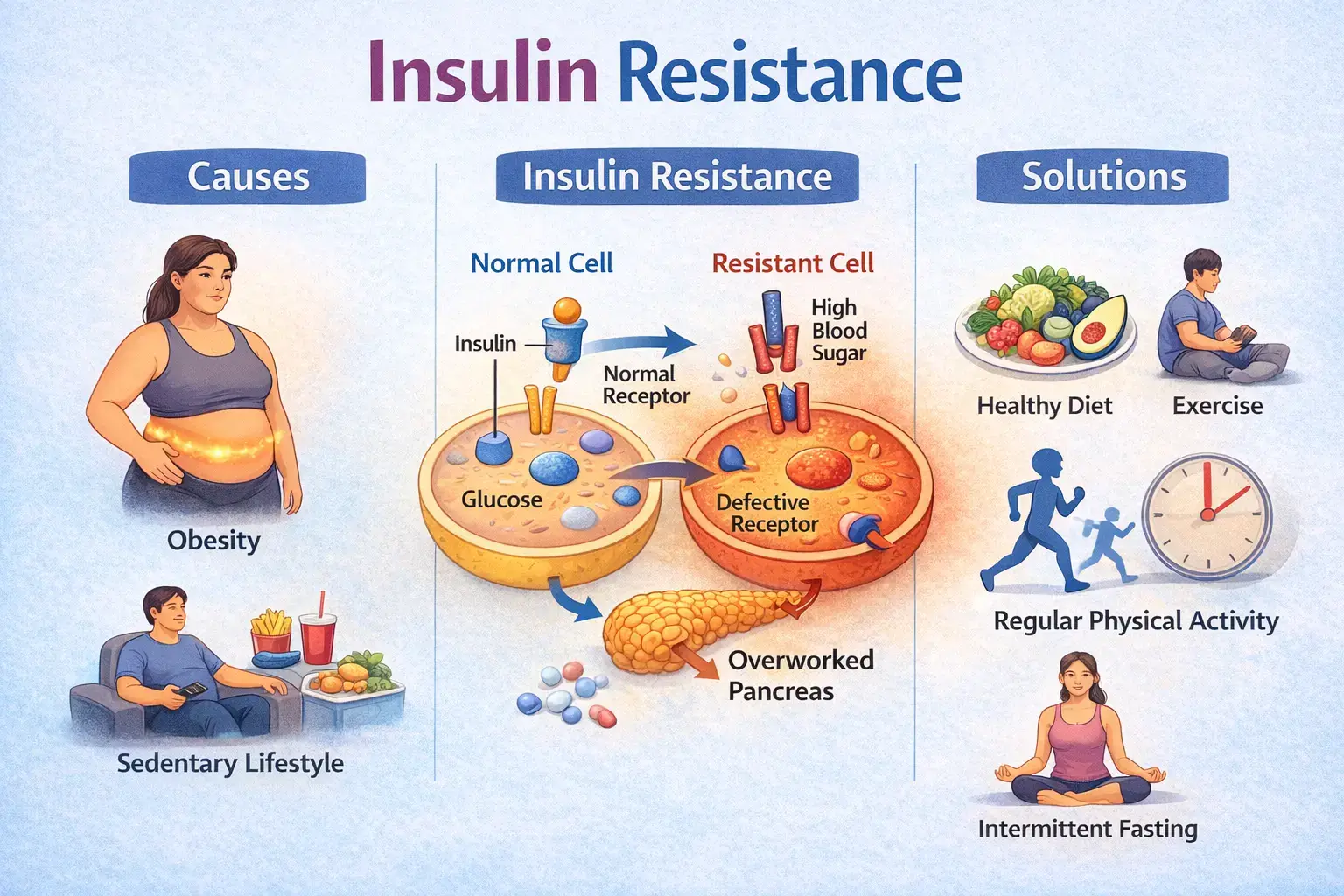
Hypothyroidism is closely linked to metabolic slowing and, in some individuals, insulin resistance. Reduced thyroid hormone levels can impair glucose metabolism, increase fat storage, and make weight management more challenging.
Hypothyroidism and insulin resistance often coexist and can reinforce each other over time. Reduced thyroid hormone levels slow glucose metabolism, while insulin resistance promotes fat storage and chronic inflammation. This interconnected relationship explains why many individuals struggle with weight gain and metabolic health despite managing thyroid hormone levels alone.
This is why a comprehensive approach that considers blood sugar regulation, lipid levels, inflammation, and nutrient status is essential for long-term metabolic health in people with thyroid disorders.
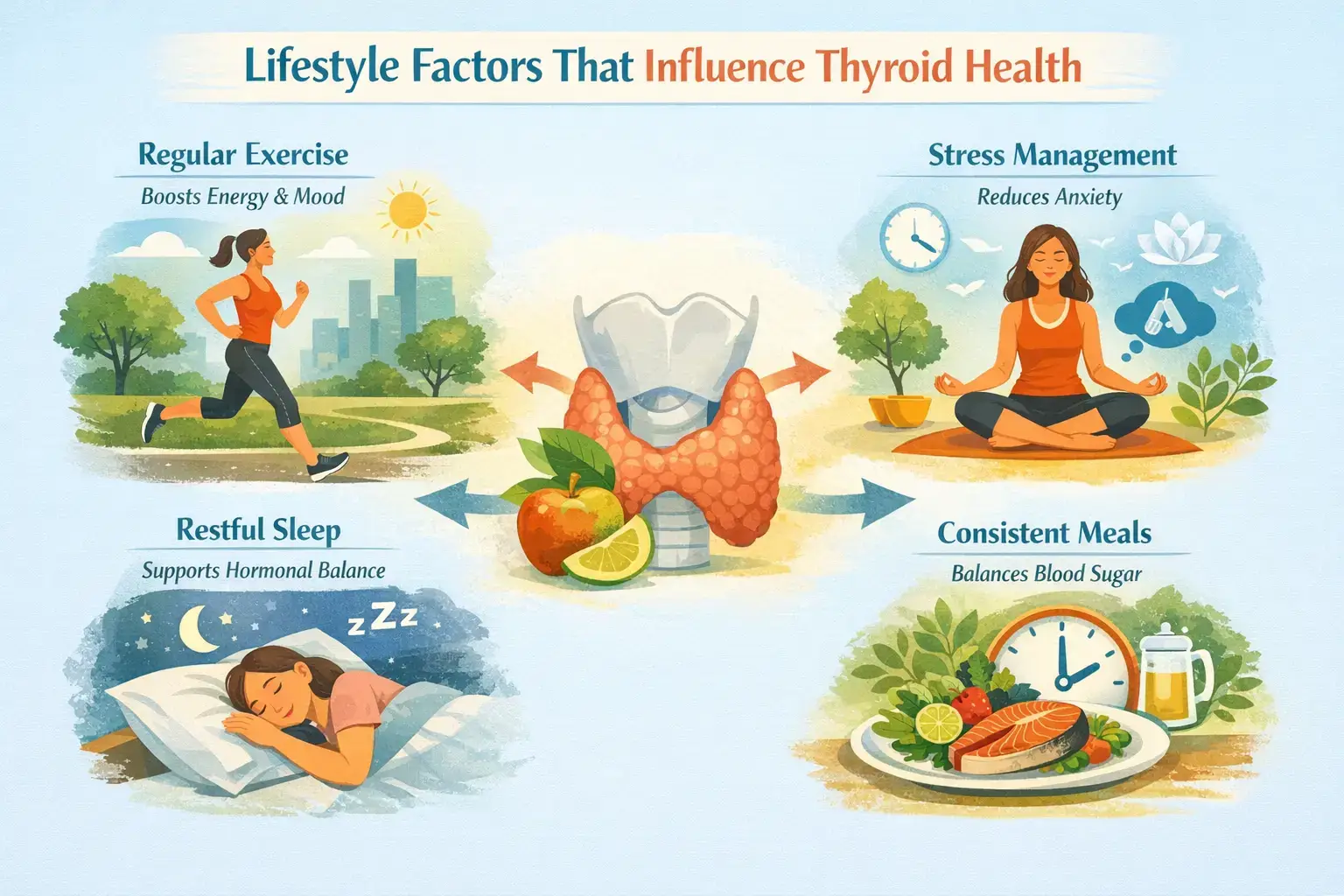
Lifestyle Factors That Influence Thyroid Health
Nutrition alone is not enough. Lifestyle habits play a significant role in managing hypothyroidism and supporting metabolic balance.
- Regular physical activity helps improve energy levels, insulin sensitivity, and mood
- Stress management is crucial, as chronic stress can disrupt thyroid signalling
- Adequate sleep supports hormonal regulation and recovery
- Consistent meal timing helps stabilise metabolism and energy
Frequently Asked Questions (FAQs)
- Q1. Can diet alone cure hypothyroidism?
- Diet cannot cure hypothyroidism, especially when it is caused by autoimmune conditions or long-term thyroid dysfunction. However, a nutrient-rich diet can support thyroid hormone function, improve metabolic health, and help manage symptoms alongside medical treatment.
- Q2. Which nutrients are most important for thyroid health?
- Key nutrients that support thyroid function include iodine, selenium, zinc, iron, vitamin A, vitamin D, and omega-3 fatty acids. Deficiencies in these nutrients may impair thyroid hormone production, conversion, or receptor function.
- Q3. Can hypothyroidism affect weight loss and metabolism?
- Yes. Hypothyroidism can slow metabolic rate, impair fat metabolism, and reduce energy expenditure, making weight management more challenging. Addressing thyroid balance, insulin resistance, and nutrient deficiencies together supports healthier metabolic outcomes.
- Q4. Are goitrogenic foods harmful for people with hypothyroidism?
- Goitrogenic foods such as cabbage, broccoli, cauliflower, kale, and soy are safe when cooked and consumed in moderation. Cooking reduces their goitrogenic effect, and these foods provide valuable nutrients that support overall health.
- Q5. How long does it take to see improvements after dietary and lifestyle changes?
- Improvements in energy levels, digestion, and metabolic markers may be noticed within a few weeks, while hormonal and nutrient-related changes often take several months. Consistency, regular blood monitoring, and personalised guidance are key to sustainable progress.
Final Takeaway
Managing hypothyroidism goes beyond medication alone. A nutrient-rich, balanced diet combined with healthy lifestyle habits can support thyroid hormone function, metabolic health, and overall well-being. Because nutrient needs, symptoms, and metabolic responses vary from person to person, personalised guidance based on blood tests and individual health patterns is often the most effective approach.
With the right knowledge and support, individuals with hypothyroidism can take proactive steps toward improving energy, metabolism, and long-term health.

Nihala Ibrahim
Nihala Ibrahim is a clinical dietitian with a scientific approach to personalized nutrition and metabolic health. She passionately bridges clinical insights with evidence-based diet strategies to help clients overcome diabetes, thyroid issues, PCOS, and weight challenges for optimal wellness. She holds Masters in clinical dietetics and nutrition science from Sri Ramachandra Institute, Chennai.