


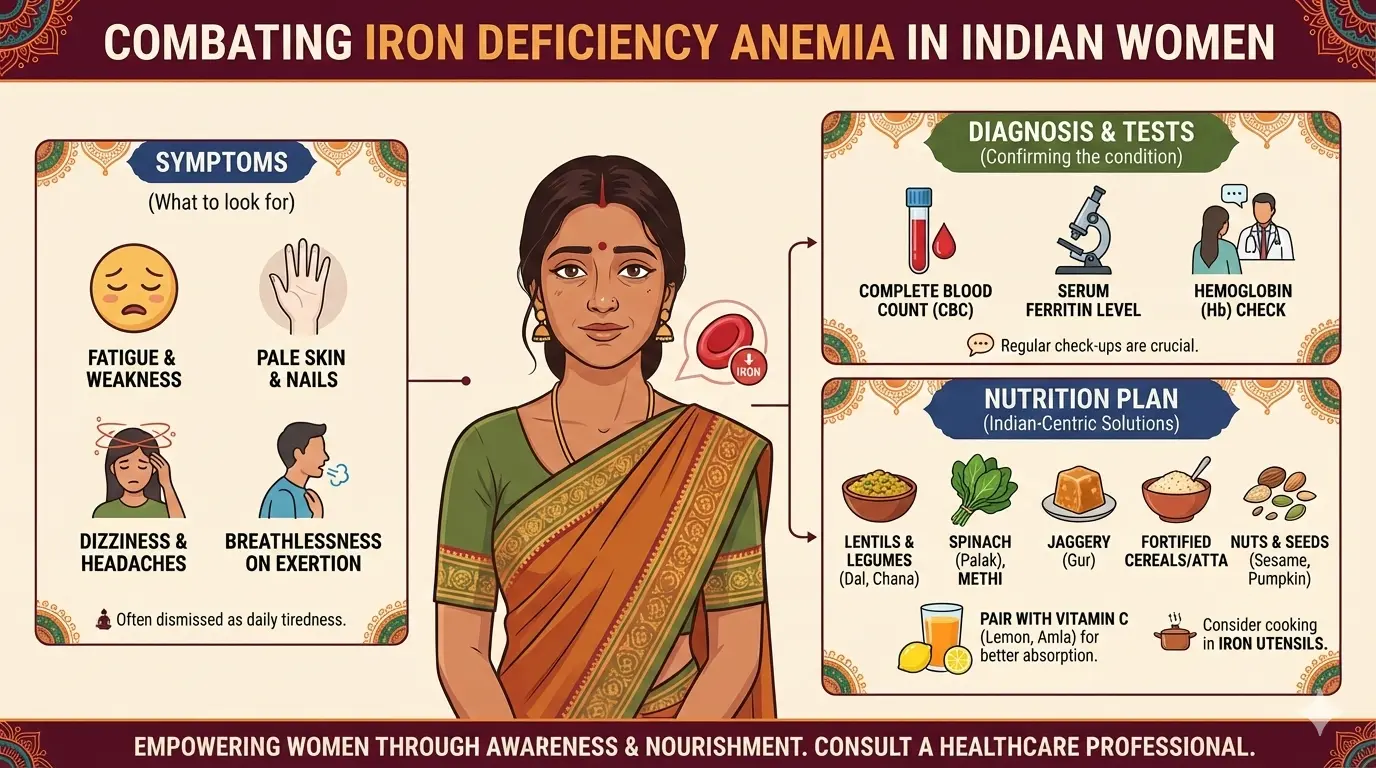
Feeling tired all the time has become almost “normal” for many Indian women. Long work hours, managing home responsibilities, caregiving roles, irregular meals, poor sleep, and constant mental load often leave women running on empty. Many brush off their exhaustion as stress or a busy lifestyle, only to later discover that they are anaemic, vitamin deficient, or dealing with an underlying metabolic or hormonal issue.
In clinical practice, it is common to see working women who are juggling multiple roles yet constantly fatigued, dizzy, breathless, or mentally foggy. Blood reports often reveal low haemoglobin, depleted iron stores, vitamin B12 deficiency, low vitamin D levels, or thyroid imbalance. Unfortunately, these issues are frequently under-recognised or normalised, allowing fatigue to persist for years without proper intervention.
Chronic fatigue is not a personality trait or a sign of weakness. It is often a physiological signal that the body is lacking essential nutrients or struggling to meet energy demands.
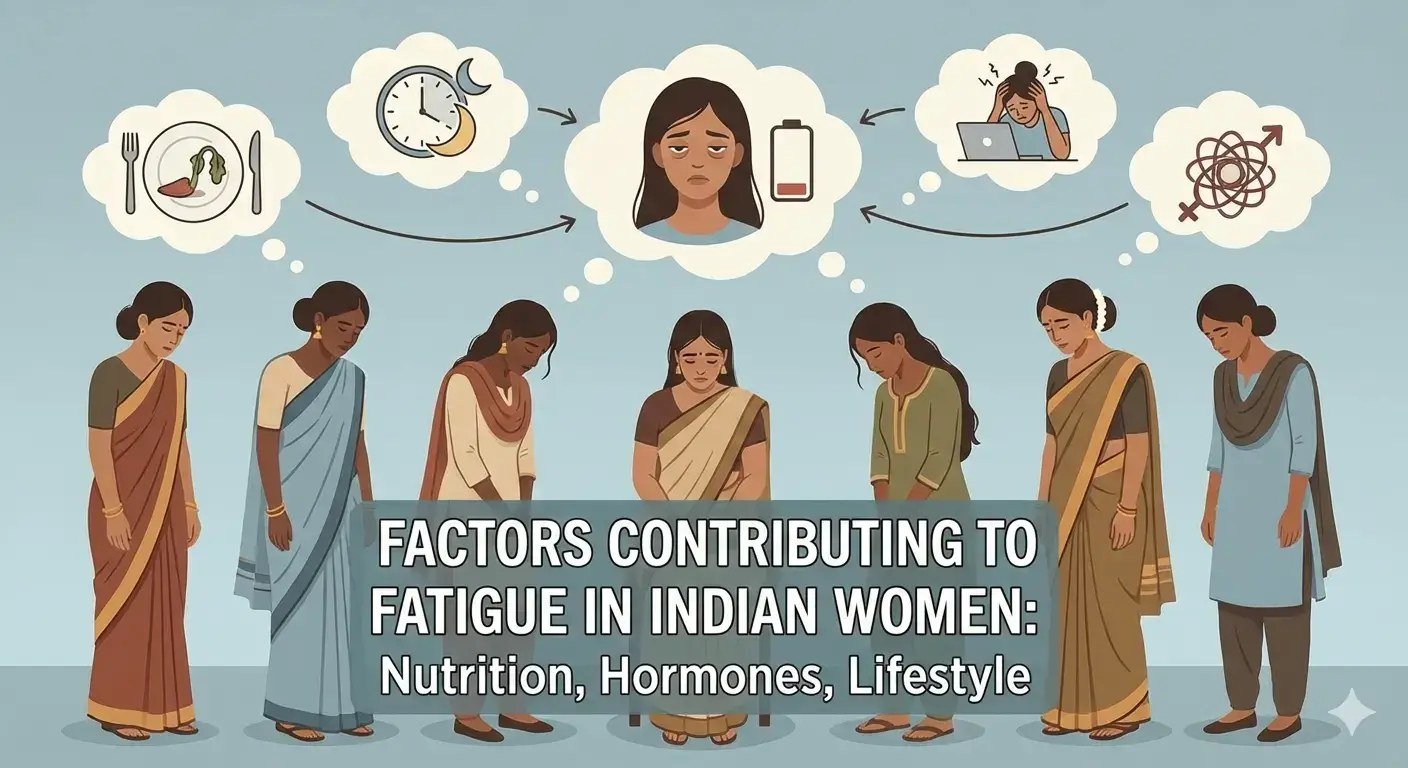
Why Fatigue Is So Common in Women
Fatigue is often a reflection of deeper, interconnected imbalances in metabolism, hormones, nutrient status, thyroid function, and inflammation. To understand how these factors work together, read our detailed guide on the core factors that influence women’s health .
One of the most common contributors is under-diagnosed anemia, especially iron deficiency anemia. Regular menstrual blood loss, inadequate dietary iron intake, poor absorption, and increased requirements during pregnancy or postpartum periods put women at higher risk.
In addition, vitamin B12 and vitamin D deficiencies are widespread, particularly among vegetarians and women with limited sun exposure. These nutrients are critical for energy production, nerve function, and muscle health.
Thyroid disorders, especially hypothyroidism, are another major but often overlooked cause of fatigue. Even mild thyroid dysfunction can lead to sluggish metabolism, low energy, weight gain, and mental fatigue.
Thyroid hormones play a critical role in metabolism and energy regulation. Even mild hypothyroidism can worsen anemia-related fatigue. Read our in-depth article on hypothyroidism and the role of nutrition in supporting thyroid health .
Poor sleep quality, chronic stress, long sitting hours, irregular meals, and blood sugar fluctuations further worsen fatigue. In some cases, insulin resistance or early metabolic dysfunction may also contribute to persistent tiredness and low stamina.
Insulin resistance affects how efficiently the body converts food into energy and is a common yet underdiagnosed cause of fatigue in women. Learn more about how insulin resistance impacts energy, weight, and metabolic health .
What Is Anemia?
Anemia is a condition in which the blood has a reduced ability to carry oxygen to tissues. This usually happens due to low levels of haemoglobin, a protein in red blood cells responsible for oxygen transport.
When haemoglobin is low, the body’s organs and muscles receive less oxygen, leading to fatigue, weakness, breathlessness, and reduced physical and mental performance.
There are several types of anemia, the most common being:
- Iron deficiency anemia, caused by inadequate iron intake, poor absorption, or chronic blood loss
- Vitamin B12 deficiency anemia, often seen in vegetarians or individuals with absorption issues
- Folate deficiency anemia, linked to poor dietary intake or increased requirements
Each type affects energy levels differently, but all ultimately reduce oxygen delivery and impair cellular energy production.
Symptoms of Anemia and Chronic Fatigue
Symptoms of anemia and chronic fatigue can vary in severity and are often mistaken for stress or overwork. Common signs include:
- Persistent tiredness and low stamina
- Breathlessness on mild exertion
- Palpitations or rapid heartbeat
- Hair fall and brittle nails
- Pale or dull-looking skin
- Frequent headaches or dizziness
- Brain fog, poor concentration, and low motivation
Because these symptoms develop gradually, many women adapt to feeling tired and delay seeking evaluation.
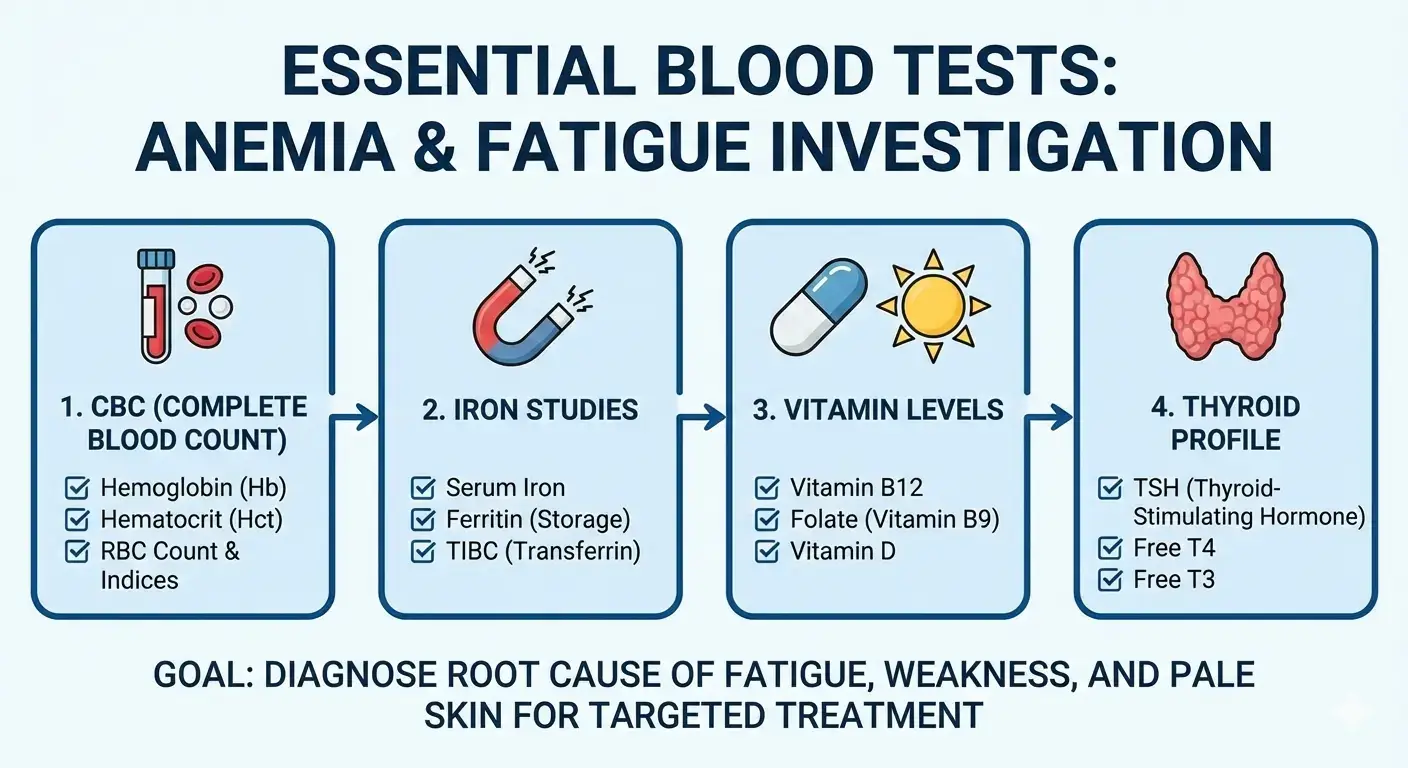
Key Tests for Fatigue and Anemia
A thorough blood evaluation is essential to identify the root cause of fatigue rather than relying on guesswork. Since anemia is one of the most common causes of low energy in women, testing should be approached in two parts : tests to assess anemia and tests to explore other causes of fatigue.
Tests to Assess Anemia
These tests help identify whether low energy is related to reduced oxygen-carrying capacity or depleted nutrient stores:
- Complete Blood Count (CBC) to assess haemoglobin levels, red blood cell count, and red blood cell size
- Iron studies, including serum iron, total iron-binding capacity (TIBC), and transferrin saturation
- Ferritin, which reflects iron stores and often drops before haemoglobin levels decline
- Vitamin B12 and folate levels, essential for red blood cell formation and nerve health
Tests to Explore Other Causes of Fatigue
If fatigue persists or anemia does not fully explain symptoms, additional testing helps uncover underlying metabolic or hormonal contributors:
- Vitamin D levels, important for muscle strength, immunity, and overall energy
- Thyroid profile (TSH, T3, T4) to assess thyroid-related fatigue and metabolic slowdown
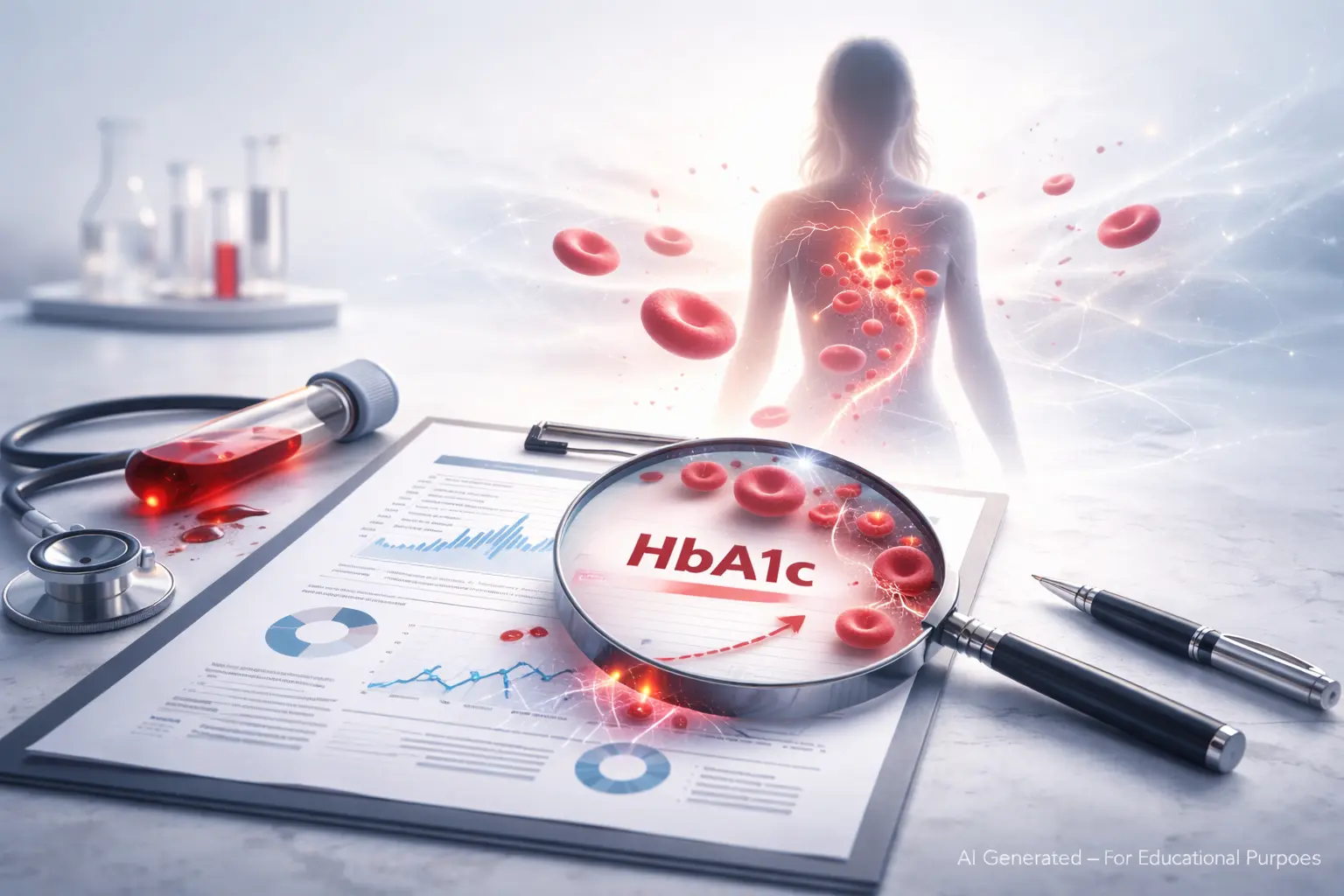
- HbA1c, fasting glucose, and insulin, to evaluate blood sugar regulation and insulin resistance
Interpreting these tests together allows for a more complete understanding of why energy levels are low and helps guide a targeted nutrition and lifestyle approach rather than isolated treatment.
Nutrition Plan for Anemia and Energy
Nutrition plays a central role in correcting anemia and restoring energy, but it must be strategic and well-balanced.
Iron-Rich Foods
Both vegetarian and non-vegetarian options can support iron intake.
Vegetarian sources include:
- Spinach, beetroot, amaranth leaves
- Lentils, chickpeas, rajma, black chana,buckwheat and bajra
- Garden cress seed
Non-vegetarian sources include:
- Eggs
- Fish
- Chicken
- Red meat (in moderation, where culturally appropriate)
Iron absorption improves significantly when paired with vitamin C-rich foods such as lemon, amla, citrus fruits, guava, or bell peppers.
Vitamin B12
Vitamin B12 is found primarily in animal foods. For vegetarians, fortified foods can be a good option.In many cases, supplementation may be required based on blood levels.
Role Vitamin D and Magnesium
Vitamin D and magnesium play a supportive but often overlooked role in energy levels and fatigue management. Vitamin D is essential for muscle strength, immune function, and reducing inflammation, all of which influence how energetic the body feels.
Vitamin D deficiency is extremely common among Indian women and often contributes to muscle weakness, low immunity, and persistent fatigue. Learn more about vitamin D deficiency symptoms, causes, and dietary strategies .
Food sources of vitamin D are limited; they include mushrooms exposed to sunlight and fortified dairy products such as milk and curd. However, for most Indian women, dietary intake alone is insufficient, making supplementation necessary based on blood levels. Magnesium is involved in cellular energy production, nerve function, and muscle relaxation. It helps reduce muscle fatigue, cramps, poor sleep quality, and stress-related exhaustion. Good dietary sources of magnesium include nuts and seeds, whole grains, legumes, green leafy vegetables, pumpkin seeds, rajgeera and cocoa. When vitamin D and magnesium levels are low, fatigue often persists even if iron and B12 levels are corrected, highlighting the importance of addressing these nutrients together for sustained energy.How DNA Testing Adds Value
In some women, anemia and chronic fatigue persist despite adequate intake or supplementation. This is where genetic insights can add value.
Certain genetic variations affect:
- Iron absorption and storage
- Vitamin B12 utilisation
- Caffeine sensitivity and its impact on iron levels
- Utilisation of Vitamin D, magnesium and B complex vitamins
DNA testing helps identify these variations, allowing for more personalised nutrition strategies, supplement choices, and dosing. This reduces trial-and-error and improves long-term outcomes.
Personalised nutrition based on genetic insights helps address chronic fatigue more effectively than generic plans. Explore how a DNA-based nutrition approach can support energy, nutrient absorption, and long-term metabolic health.

Lifestyle Tweaks for Better Energy
Nutrition alone cannot fully restore energy if daily lifestyle habits continue to deplete it. Prioritising adequate and consistent sleep is foundational, as poor sleep disrupts hormonal balance, worsens insulin resistance, increases inflammation, and reduces the body’s ability to absorb and utilise nutrients. Even nutrient-rich diets and supplements are less effective when sleep quality is compromised.
Learning to pace the day is equally important. Long gaps between meals, prolonged fasting, and pushing through exhaustion often lead to blood sugar crashes and worsening fatigue. Planning regular meals, taking short movement or breathing breaks during work hours, and recognising early signs of exhaustion can help conserve energy rather than constantly borrowing it from the body.
Gentle, regular physical activity supports energy by improving circulation, oxygen delivery, and mitochondrial function without adding stress. Activities such as walking, yoga, mobility work, or light strength training are especially beneficial for women experiencing fatigue, as they build stamina gradually instead of causing burnout.
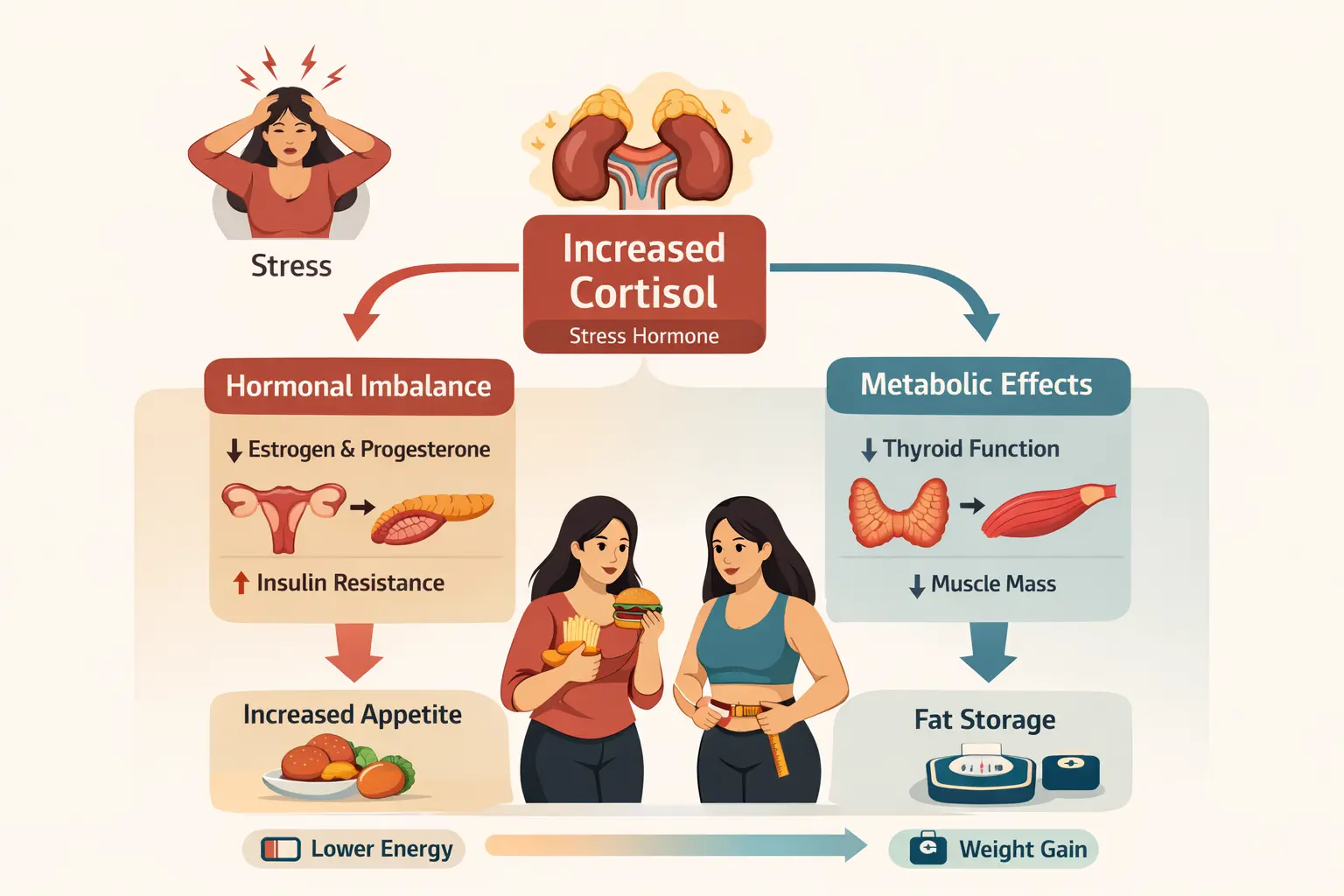
Stress management plays a critical role in long-term energy restoration. Chronic mental stress keeps cortisol levels elevated, interfering with sleep, digestion, iron absorption, and thyroid function. Simple practices such as deep breathing, mindfulness, journaling, or maintaining structured daily routines help calm the nervous system, allowing the body to recover and rebuild energy more effectively.
Final Thoughts
Chronic fatigue in Indian women is common, but it should never be ignored or normalised. Anemia, nutrient deficiencies, thyroid imbalance, and metabolic issues are all treatable when identified early.
A combination of targeted blood tests, nutrition correction, lifestyle adjustments, and personalised strategies can help restore energy, mental clarity, and overall well-being. Feeling energetic is not a luxury, it is a sign of good health, and every woman deserves to experience it.
Frequently Asked Questions (FAQs)
Can anemia exist even if haemoglobin is slightly low or borderline?
Yes. Many women have low iron stores (low ferritin) even when haemoglobin appears borderline normal. This can still cause fatigue, hair fall, and weakness and should not be ignored.
How long does it take to feel better after correcting anemia?
Energy levels usually start improving within a few weeks of proper nutrition and supplementation, but full correction of iron stores may take 3–6 months depending on severity and absorption.
Why is ferritin important if haemoglobin is normal?
Ferritin reflects iron storage. Low ferritin indicates depleted reserves, which can cause fatigue even before haemoglobin drops. Treating early prevents progression to full-blown anemia.
Can thyroid problems cause anemia and fatigue together?
Yes. Hypothyroidism can impair iron absorption and red blood cell production, making fatigue and anemia occur together. This is why thyroid testing is important in persistent fatigue cases.
Is supplementation always necessary for anemia?
Not always, but in moderate to severe deficiencies, diet alone may not be sufficient initially. Supplements are often used short-term, guided by blood reports, alongside dietary correction.
Can stress and poor sleep worsen anemia-related fatigue?
Absolutely. Chronic stress and inadequate sleep impair nutrient absorption, hormone balance, and recovery, worsening fatigue even if diet is adequate.
How can personalised nutrition or DNA testing help in chronic fatigue?
DNA testing can identify differences in iron metabolism, B12 utilisation, and energy pathways. This helps personalise diet and supplementation, reducing trial-and-error and improving long-term energy levels.
Final Takeaway
Iron deficiency anemia is a common yet often overlooked cause of fatigue in Indian women, influenced by nutritional, hormonal, and lifestyle factors. Understanding these complexities is vital for long-term health, as individual nutritional needs and responses vary widely. DNA-based personalised nutrition offers deeper insights into unique metabolic pathways, helping tailor strategies that support sustained energy and well-being. For those seeking clarity, booking a free consultation with unlock.fit can provide valuable guidance.

Nupur Sharma
Nupur Sharma is a Sports Nutritionist. She has a scientific approach towards nutrition. She passionately unfolds latent aspects linking nutritional science and sports performance so that athletes and fitness enthusiasts can achieve their highest potential. She holds a Master’s degree in Sports Nutrition and Bachelor’s degree in Food, Nutrition and Dietetics.