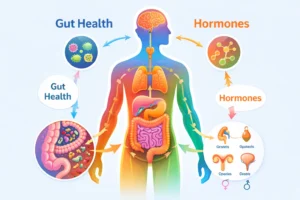



Polycystic Ovary Syndrome (PCOS) is a common yet complex endocrine and metabolic disorder that affects between 5% and 15% of premenopausal women across the globe. While it is a leading cause of female infertility, its impact stretches far beyond reproductive health, influencing a woman’s metabolism, appearance, and psychological well-being.
What is PCOS?
At its core, PCOS is a multifactorial disorder characterized by reproductive and metabolic abnormalities. It isn't just one condition but a collection of symptoms that can vary significantly from person to person. According to Rotterdam criteria guidelines, a woman is diagnosed with PCOS if she meets at least two of the following three conditions:
- Irregular Menstrual Cycles: This includes infrequent periods (oligomenorrhea) or a total lack of ovulation (anovulation).
- Hyperandrogenism: This refers to elevated levels of "male" hormones like testosterone, which can be seen in blood tests or through physical symptoms like excess hair growth.
- Polycystic Ovaries: The presence of 12 or more small follicles (measuring 2–9 mm) on each ovary, usually detected via ultrasound.
PCOS Causes: Genes and Environment
You might be wondering, "Why me?" The exact cause of PCOS is still being studied, but it’s widely accepted as a multifactorial disorder.
- Genetics: Research shows we can be genetically predisposed to PCOS from birth. Certain genes are involved in how our bodies produce hormones and process insulin.
- Lifestyle & Environment: While your genes provide the blueprint, your environment—specifically diet and physical activity can trigger "epigenetic changes" that cause the disorder to manifest. A "Western diet" high in processed foods and a lack of activity can worsen insulin resistance, which then drives the ovaries to produce too much testosterone.
Hormonal Imbalance Test: Blood and DNA Options
If you suspect you have PCOS, testing is the first step toward a personalized plan.
Blood Tests: Doctors typically check your biochemical markers, focusing on the Free Androgen Index (FAI) or total testosterone levels. They may also test for insulin resistance and check your lipid profile for things like triglycerides, which are often elevated in PCOS.
DNA and Genetic Testing: While not always a standard part of a basic check-up, research has identified specific gene variants linked to PCOS. For example, the CAPN10 and INSR genes are linked to insulin resistance. Other researchers have looked at genes like FSHR and LHR, which affect how your ovaries respond to hormones. Understanding these variants can help doctors understand your specific "phenotype" or how PCOS uniquely affects your metabolism.
PCOS Symptoms to Notice

PCOS symptoms are diverse and can affect your body in several ways:
- Reproductive Issues: Irregular periods and difficulty getting pregnant.
- Skin and Hair Changes: Acne, thinning hair on the scalp (alopecia), and hirsutism (excessive hair growth on the face, chest, or back).
- Metabolic Signs: Increased body weight, particularly central adiposity (weight held around the waist), and insulin resistance.
- Mental Health: A significant number of women with PCOS experience symptoms of depression and anxiety
Why Diet Matters: The Insulin Connection
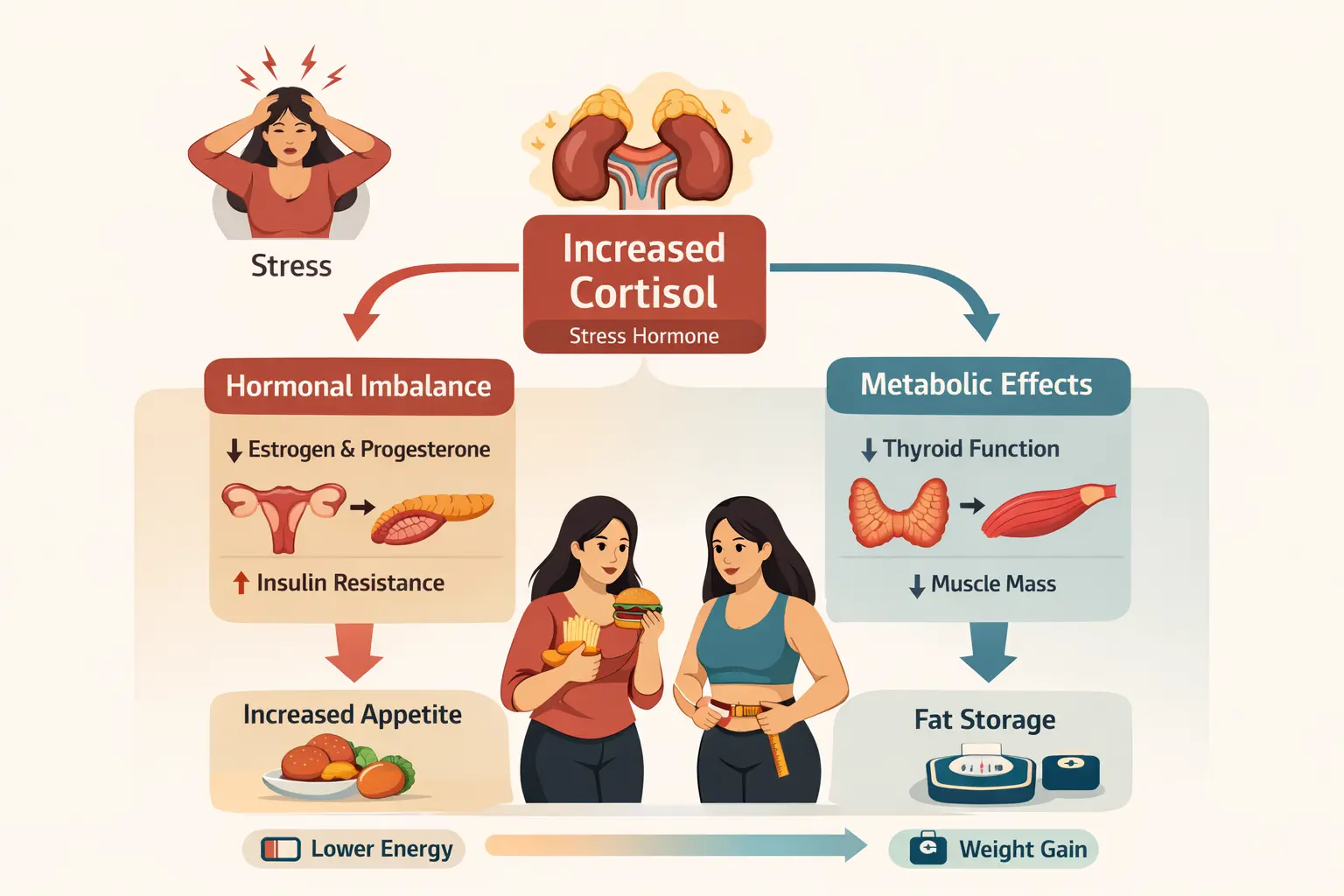
When you eat foods that spike your blood sugar, your body pumps out more insulin to compensate. In women with PCOS, this excess insulin directly tells the ovaries to produce more androgens (like testosterone) while simultaneously lowering the proteins that keep those hormones in check. This creates a "vicious cycle" where high insulin levels lead to high androgen levels, which then worsen symptoms like weight gain and irregular periods.
In fact, insulin resistance is one of the most common underlying metabolic drivers of PCOS. Many women experience elevated insulin levels long before blood sugar levels become abnormal, making weight gain and hormonal imbalance harder to manage.
To understand how insulin resistance develops, its symptoms, and how diet and lifestyle can improve insulin sensitivity, you can explore our detailed guide on insulin resistance and its impact on metabolic health .
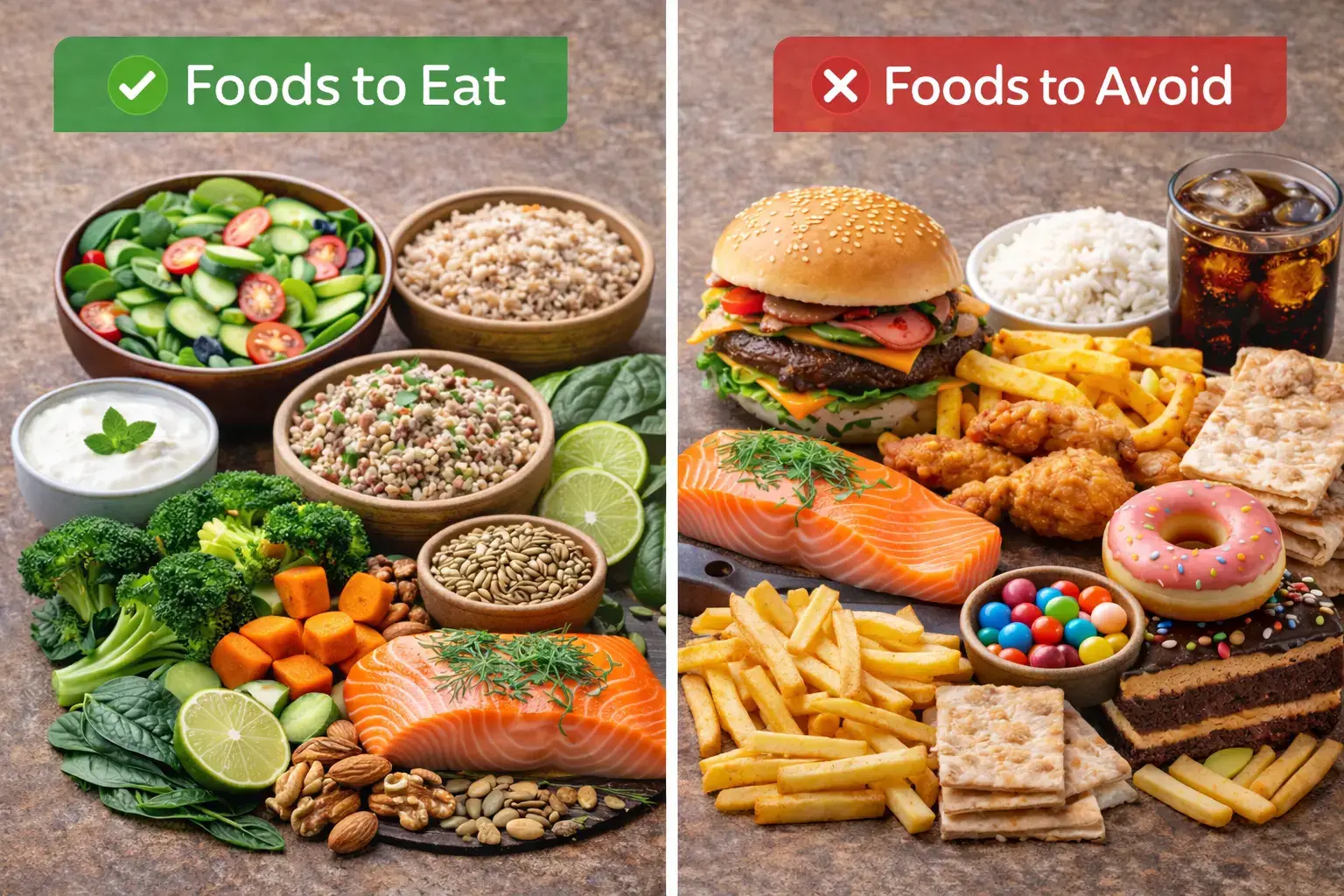
The PCOS Diet: Foods to Include
Specific nutrients can improve insulin sensitivity and reduce the chronic inflammation often associated with PCOS.
1. High-Fiber Foods:
Fiber is essential because it slows down the absorption of sugar, preventing insulin spikes and also linked to lower abdominal fat.
- What to eat: Non-starchy vegetables like broccoli, cauliflower, asparagus, and mushrooms. Legumes such as beans, lentils, and chickpeas are also excellent sources of fiber and plant-based protein.
2. Omega-3 Fatty Acids
A powerful anti-inflammatory effects and can help improve your lipid profile.
- What to eat: Oily fish like salmon or mackerel, as well as walnuts and chia seeds.
3. Healthy Fats (MUFAs)
Monounsaturated fatty acids (MUFAs) are heart-healthy fats that support metabolic balance.
- What to eat: Extra virgin olive oil, avocados, and nuts like almonds.
4. Essential Micronutrients
Often deficient in certain vitamins and minerals that help with glucose metabolism and cellular health.
- Vitamin D: Often low in women with PCOS; regular intake or supplementation is highly advised.
- B-Vitamins (B2, B12, Folate): These support energy metabolism and help regulate homocysteine levels, which can be elevated in PCOS.
- Magnesium and Zinc: Crucial for hormonal regulation and metabolic flexibility
The PCOS Diet: Foods to Avoid
To manage insulin levels, it is vital to limit foods that cause rapid blood sugar rises and promote inflammation.
1. Simple Sugars and High-GI Foods
Foods with a high Glycemic Index (GI) are those that digest quickly and cause a sharp rise in blood sugar.
- Avoid: White bread, refined pasta, white rice, and high-GI sweets like cookies or cakes.
2. Processed and Western-Style Foods
Diets high in processed items are consistently linked to a higher risk of PCOS.
- Avoid: Fast food, salty snacks, soft drinks, and processed meats.
3. Saturated and Trans Fats
High intake of these fats can worsen insulin resistance and inflammation.
- Avoid: Excess red meat, high-fat dairy products like cheese, and fried foods.
A Sample PCOS Diet Plan for One Day
- Breakfast: Whole-grain oatmeal topped with pumpkin seeds and berries.
- Lunch: A large Mediterranean salad with greens, chickpeas, and cucumbers, drizzled with extra virgin olive oil and topped with grilled poultry or salmon.
- Snack: A handful of almonds or a piece of low-GI fruit like an apple.
- Dinner: Steamed broccoli and mushrooms served with a side of lentils or fish.
- Beverage: Water or unsweetened herbal tea. Avoid sugary soft drinks and excessive fruit juices.
A Note on "Lean PCOS"
It is a common misconception that PCOS only affects women who are overweight. Research reveals that roughly 20% of global PCOS cases occur in women of normal or below-average weight, a phenomenon known as "Lean PCOS".
Even if you are lean, you may still experience insulin resistance, high androgen levels, and irregular cycles. Therefore, the dietary principles of reducing high-GI foods and increasing fiber and healthy fats remain just as important for managing the condition.
PCOS is not just a reproductive condition. It is closely linked with insulin resistance, hormonal imbalance, inflammation, and metabolic health.
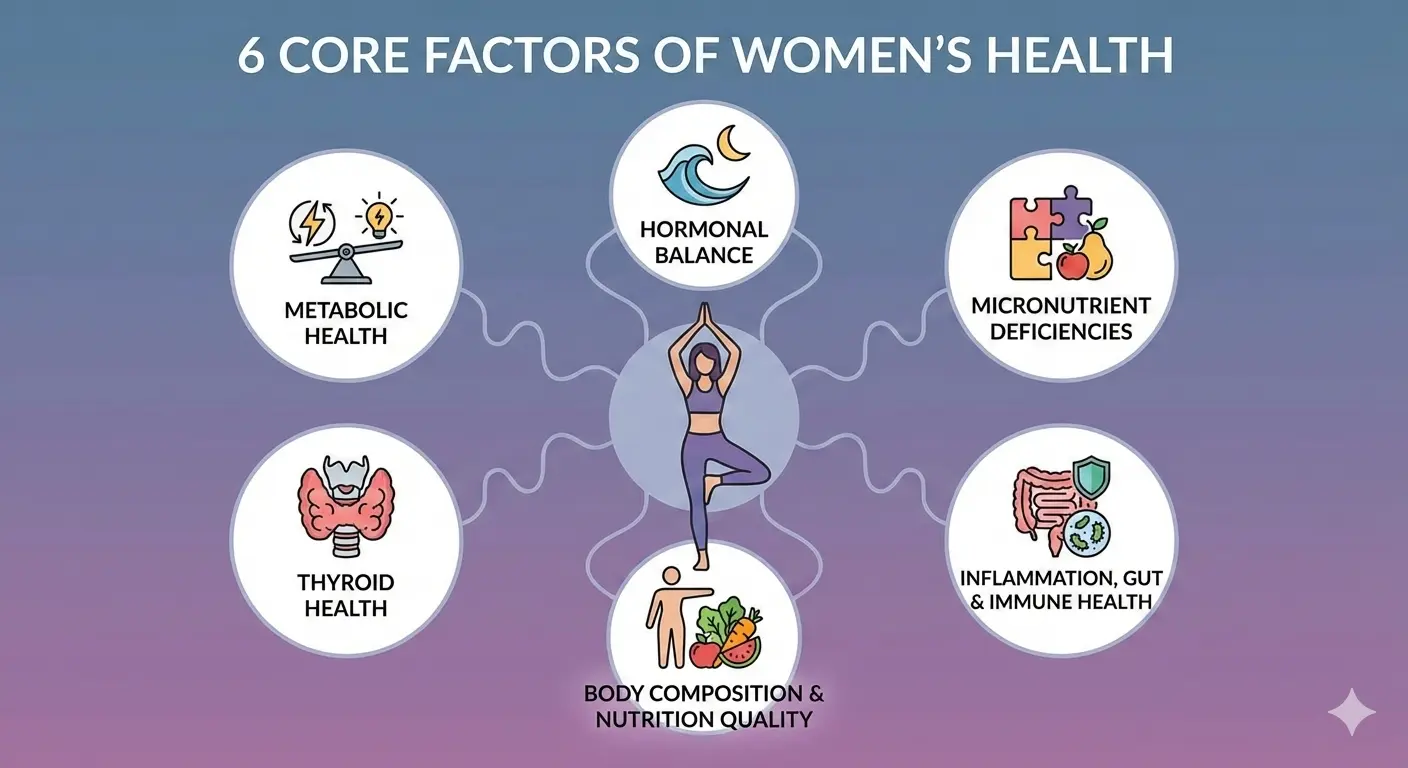
To understand how PCOS fits into the broader framework of women’s health, explore our complete guide on Women’s Health Explained: 6 Core Factors That Influence Hormones, Metabolism & Long-Term Health .
FAQs
- What is the cost of a hormonal imbalance test (DNA test)?
- Can I have PCOS if I am thin?
Yes! This is known as "Lean PCOS" and affects about 20% of women with the condition. Even if you have a normal BMI, you can still experience insulin resistance and hormonal imbalances that require the same dietary focus as those in larger bodies.
- Why am I so anxious all the time?
Research shows a strong link between PCOS and anxiety, likely caused by hormonal dysregulation affecting neurotransmitters like serotonin. Following a Mediterranean diet has been shown to significantly lower anxiety levels in just 12 weeks.
- Is Vitamin D really that important?
Absolutely. An insufficient Vitamin D intake is incredibly common in women with PCOS. Vitamin D helps with calcium balance and may even help improve insulin sensitivity and regulate the growth of ovarian follicles.
- Do I have to follow a "low carb" diet?
Not necessarily. While reducing simple sugars is vital, you don't need to cut carbs entirely. Focusing on high-fiber, low-GI carbohydrates as part of a balanced Mediterranean-style plan is often more sustainable and effective for long-term health.
This condition does not exist in isolation. Metabolic health, hormonal balance, micronutrient status, thyroid function, and inflammation are deeply interconnected in women’s health.
Our pillar guide, Women’s Health Explained: 6 Core Factors That Influence Hormones, Metabolism & Long-Term Health , breaks down how these systems work together and why addressing them collectively leads to more sustainable outcomes.
References
Alomran, S., & Estrella, E. D. (2023). Effect of dietary regimen on the development of polycystic ovary syndrome: A narrative review. Cureus, 15(10), e47569. https://doi.org/10.7759/cureus.47569
Foscolou, A., Papandreou, P., Gioxari, A., & Skouroliakou, M. (2024). Optimizing dietary habits in adolescents with PCOS. Children, 11(6), 635. https://doi.org/10.3390/children11060635
Jiskoot, G., Dietz de Loos, A., Timman, R., Beerthuizen, A., Laven, J., & Busschbach, J. (2022). Lifestyle treatment in women with PCOS. Journal of Eating Disorders, 10, 69. https://doi.org/10.1186/s40337-022-00593-y
Niwińska, K., Orczykowska, M., Iłowiecka, K., Glibowski, P., & Kucharczyk, W. (2025). Dietary and genetic aspects of PCOS. Nutrients, 17(14), 2377. https://doi.org/10.3390/nu17142377
Final Takeaway
Understanding your unique PCOS profile can empower you to make informed dietary and lifestyle choices. Consider booking a FREE consultation with unlock.fit to explore DNA-based personalised nutrition tailored specifically to your needs. This educational approach helps you manage PCOS more effectively by targeting the root causes and optimizing your health outcomes.

Nihala Ibrahim
Nihala Ibrahim is a clinical dietitian with a scientific approach to personalized nutrition and metabolic health. She passionately bridges clinical insights with evidence-based diet strategies to help clients overcome diabetes, thyroid issues, PCOS, and weight challenges for optimal wellness. She holds Masters in clinical dietetics and nutrition science from Sri Ramachandra Institute, Chennai.